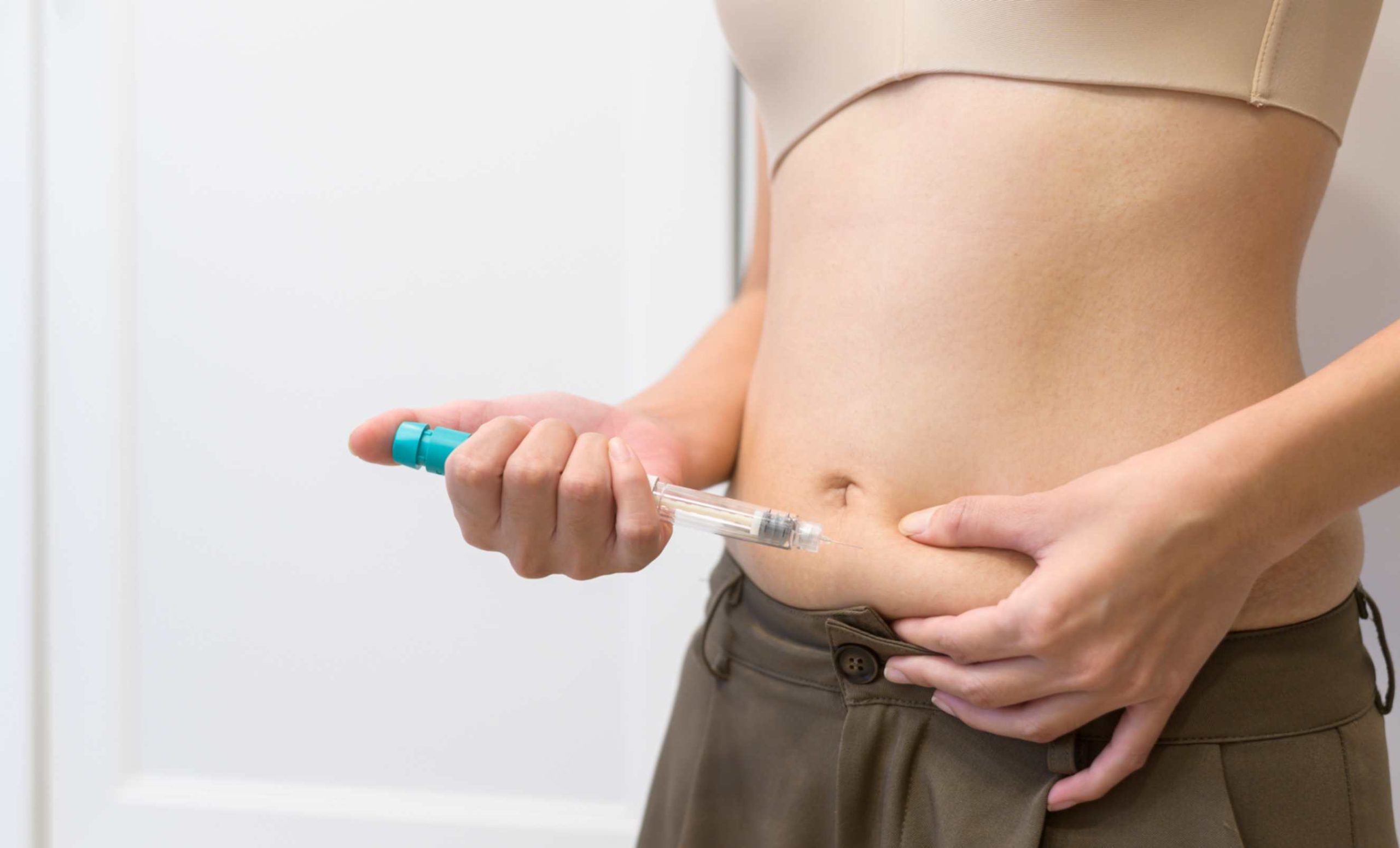
Yes, several weight loss injections prescribed for diabetes, including Mounjaro and Ozempic, are licensed to lower blood glucose and support weight loss at the same time. For people with type 2 diabetes, this makes them a genuine diabetes weight loss treatment, used alongside diet and activity, not instead of them.
In this blog, we’ll look at how these injections work, which ones are licensed for diabetes, and who may be eligible for treatment.
What Are Weight Loss Injections, and How Do They Work?
Weight loss injections such as Mounjaro, Ozempic and Wegovy work by mimicking hormones produced naturally in the gut that help regulate appetite and blood sugar, as Diabetes UK explains. They help the body release insulin when blood glucose is high, reduce glucagon and slow down stomach emptying. Mounjaro works slightly differently because it also acts on GIP receptors, giving it a dual action that sets it apart from medicines that only target GLP-1.
Can Weight Loss Injections Treat Type 2 Diabetes as Well as Weight?
Yes. Tirzepatide (Mounjaro) and semaglutide (Ozempic) are licensed specifically for treating type 2 diabetes. They can help lower HbA1c while also supporting weight loss. NICE confirms that these effects can happen together.
Blood Glucose Control
In a 30-week randomised trial, once-weekly semaglutide (1.0 mg) lowered HbA1c by 1.55 percentage points compared with placebo, alongside meaningful weight loss.
Weight Loss You Can Realistically Expect
Weight loss in people with type 2 diabetes is generally more modest than the results seen in studies focused solely on obesity. A loss of around five to ten per cent of starting body weight over six to twelve months can be realistic, although results vary from person to person.
Which Weight Loss Injections Are Used for Type 2 Diabetes in the UK?
The main options in the UK include tirzepatide (Mounjaro), semaglutide (Ozempic or Wegovy) and liraglutide (Saxenda). They don’t all have the same licence or dosing schedule.
| Brand | Active ingredient | Main NHS licence | Frequency |
| Mounjaro | Tirzepatide | Type 2 diabetes and weight management | Weekly |
| Ozempic | Semaglutide | Type 2 diabetes | Weekly |
| Wegovy | Semaglutide | Weight management | Weekly |
| Saxenda | Liraglutide | Weight management | Daily |
It’s worth remembering that having the same active ingredient doesn’t mean two brands are interchangeable. For example, Ozempic is licensed for type 2 diabetes, while Wegovy is licensed specifically for weight management.
Who Can Have Weight Loss Injections for Diabetes and Weight Loss?
Eligibility depends on NICE guidance, rather than simply wanting to lose weight. Your BMI, ethnicity, existing health conditions and previous diabetes treatment can all affect whether treatment is suitable.
For type 2 diabetes, NICE criteria include:
- Triple therapy with metformin and two other oral medicines has failed or isn’t suitable.
- BMI of 35 or above with obesity-related complications, or a lower BMI where weight loss would help.
- Lower BMI thresholds apply for South Asian, Chinese, Middle Eastern, Black African and African-Caribbean backgrounds.
- Weight management alone follows separate criteria.
Your prescriber will assess your circumstances before deciding whether an injection is appropriate.
What Are the Risks and Side Effects?
Most people tolerate these injections reasonably well, but side effects are common, particularly when starting treatment or increasing the dose. There are also some less common but more serious risks to be aware of.
Possible side effects include:
- Nausea, vomiting, diarrhoea or constipation, especially at first.
- Gallstones or gallbladder problems.
- Rare but serious pancreatitis, needing urgent review for severe abdominal pain.
- Higher hypoglycaemia risk with insulin or sulfonylureas.
- Not suitable in pregnancy or with certain thyroid conditions.
Considering Weight Loss Treatment With Type 2 Diabetes?
If you have type 2 diabetes and are considering weight loss medication, speak to your GP or diabetes team about your diabetes treatment first. If you’re looking for private weight-management treatment, the GPhC-registered team at Pharmacy To My Door can assess whether weight-loss medication is suitable for you. Book a consultation to get started.
Frequently Asked Questions (FAQ’s)
Can Ozempic be used for weight loss if I have type 2 diabetes?
Ozempic is licensed for type 2 diabetes, not weight loss alone. If weight loss is the main goal, Wegovy (the same active ingredient, at a higher dose) is the licensed option, and your GP or pharmacist can advise on which suits your circumstances.
Is Mounjaro better than Ozempic for diabetes and weight loss?
Mounjaro’s dual GLP-1/GIP action has shown greater average weight loss than semaglutide in head-to-head trials, but “better” depends on individual tolerance, other health conditions and eligibility, so this is a decision for your prescriber.
How quickly do weight loss injections lower blood sugar?
Blood glucose improvements often begin within the first few weeks of treatment, though the full effect, including HbA1c reduction, is usually assessed at three to six months as the dose is gradually increased.
What happens if I stop taking weight loss injections?
Appetite and blood sugar can gradually move back towards pre-treatment levels after stopping the injections. That’s why lifestyle changes remain an important part of treatment. If you’re thinking about stopping, speak to your healthcare team first so they can advise you on the safest approach.
Can I get weight loss injections privately in the UK if I have diabetes?
Yes, private prescribing is available through registered pharmacies following a clinical assessment. If you’re already receiving care from a GP or diabetes team, it’s sensible to keep them informed so that your treatment remains coordinated and safe.