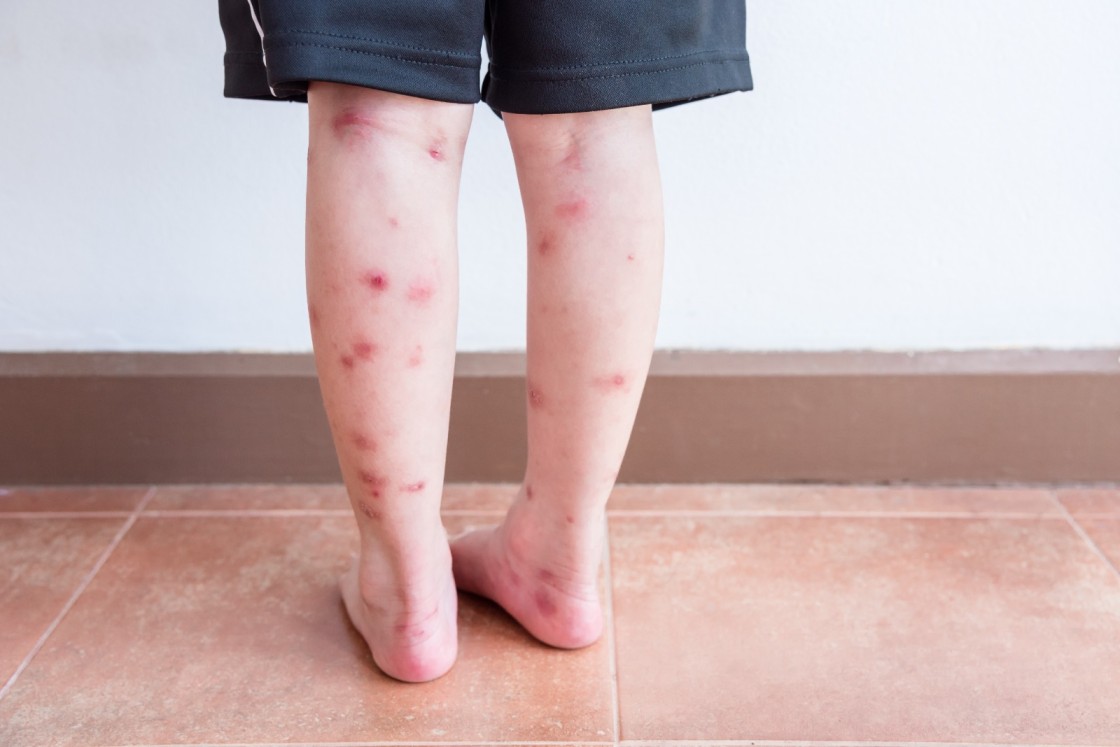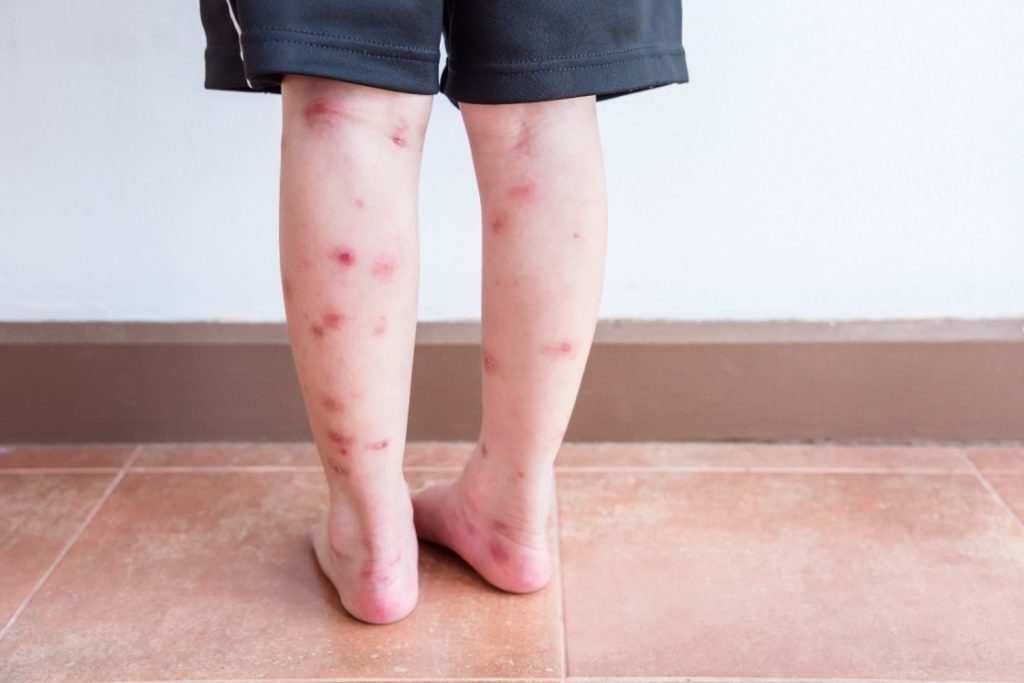
The best way to clean an insect bite is to wash it with soap and cool water as soon as possible, then gently dry the area and avoid scratching while it heals. This simple step can lower the risk of an insect bite infection, as bacteria can get in when the skin is broken or scratched.
In this blog, we’ll explain how to clean an insect bite properly, what signs of infection to look out for, how to manage swelling, and what treatment may be needed if an infection develops.
How to Clean an Insect Bite Step by Step
Cleaning an insect bite properly is straightforward, and doing it early makes the biggest difference to how well it heals, in line with NHS advice on insect bites and stings.
- Wash the area with soap and cool water for at least 20 to 30 seconds.
- Pat the skin dry with a clean towel rather than rubbing it.
- Apply a cold compress or ice pack wrapped in cloth if the area is swollen.
- Avoid scratching or picking at the bite, as this breaks the skin further.
- Apply an antiseptic cream if the skin is grazed or broken.
Signs of an Infected Insect Bite
Most insect bites gradually settle on their own. If yours is becoming infected, though, you may notice that it is getting worse rather than better. Look out for:
- Increasing redness, warmth or swelling around the bite that continues to increase.
- Pus or fluid coming from the site.
- Pain that becomes worse instead of easing after a day or two.
- A patch of red, swollen skin around 10cm or more across.
- A high temperature, swollen glands or feeling generally unwell.
Insect Bite Swelling Treatment
Insect bite swelling can usually be managed at home unless it is severe or spreading. For mild swelling, apply a cold compress for 10 to 20 minutes at a time, and consider an antihistamine tablet if the area is itchy.
When Swelling Needs Medical Attention
Get medical advice if the swelling is spreading quickly or affects your face, lips or throat. If you have difficulty breathing, seek urgent medical attention, as this could be a serious allergic reaction rather than an infection.
Infected Insect Bite Treatment: What Happens Next
If an insect bite does become infected, the treatment you need will depend on how severe the infection is. Most bites and stings cause inflammation rather than a bacterial infection, so antibiotics aren’t routinely needed.
A pharmacist can assess the bite and advise on suitable treatment. For a confirmed bacterial infection, antibiotics may be prescribed through the NHS Pharmacy First service where appropriate.
How to Prevent Insect Bite Infection
A few simple steps can help stop an insect bite from turning into an infection:
- Keep the bite clean and covered with a light dressing if it is likely to be scratched.
- Keep nails trimmed and avoid scratching, particularly with children.
- Use insect repellent and cover exposed skin when you’re outdoors during peak biting seasons.
- Wash bedding and clothing regularly if you keep getting bites.
Get Fast Infected Insect Bite Treatment from Pharmacy To My Door
If your bite isn’t settling, looks infected, or the swelling is getting worse, our pharmacists at Pharmacy To My Door can assess it quickly through the NHS Pharmacy First service and prescribe treatment where appropriate.
Don’t leave a worsening bite to see what happens. Get in touch today to arrange your online consultation for advice and, if needed, get the right treatment for an infected insect bite.
Frequently Asked Questions
What is the best way to clean an insect bite?
Wash the bite with soap and cool water as soon as possible, pat it dry, and apply an antiseptic cream if the skin is broken. Avoid scratching while it heals.
What are the signs of an infected insect bite?
Increasing redness, warmth, swelling or pain, along with pus, a high temperature or a patch of red skin 10cm or more across, are signs of an infected insect bite.
How do I treat insect bite swelling?
Apply a cold compress for 10 to 20 minutes at a time and consider an antihistamine tablet if the area is itchy. Seek help if swelling spreads quickly or affects your face or throat.
Can I treat an infected insect bite myself?
Mild irritation can be managed at home, but a genuinely infected bite, with pus, spreading redness or fever, usually needs a pharmacist or GP to assess whether antibiotics are needed.
How long does it take for an infected insect bite to heal?
Most infected insect bites improve within a few days of starting the right treatment, though symptoms can occasionally last up to 10 days before fully settling.
Do all insect bites need antibiotics?
No. Most insect bites cause an inflammatory reaction rather than a true infection, so antibiotics are not always needed. A pharmacist can confirm whether your bite needs one.