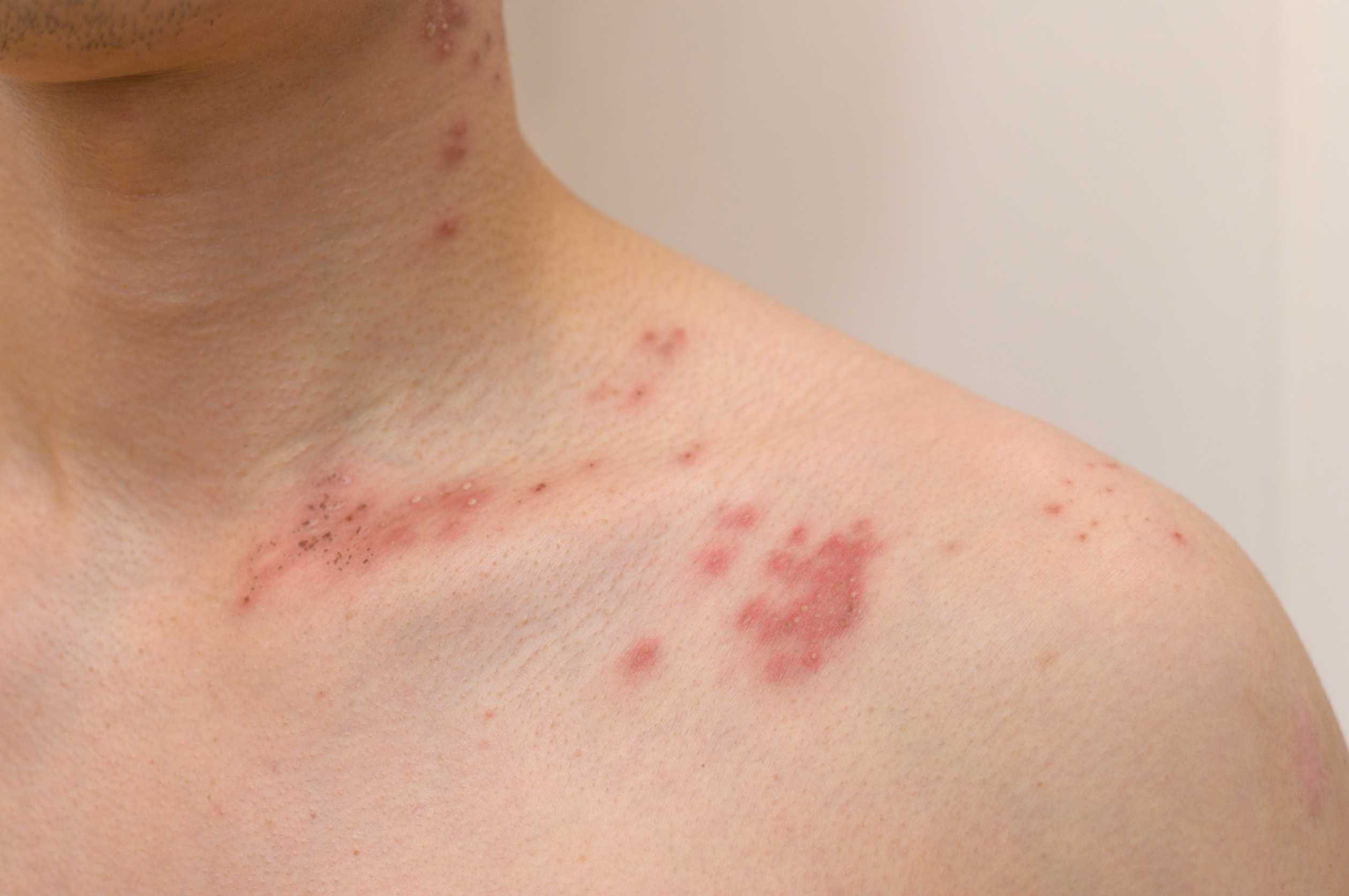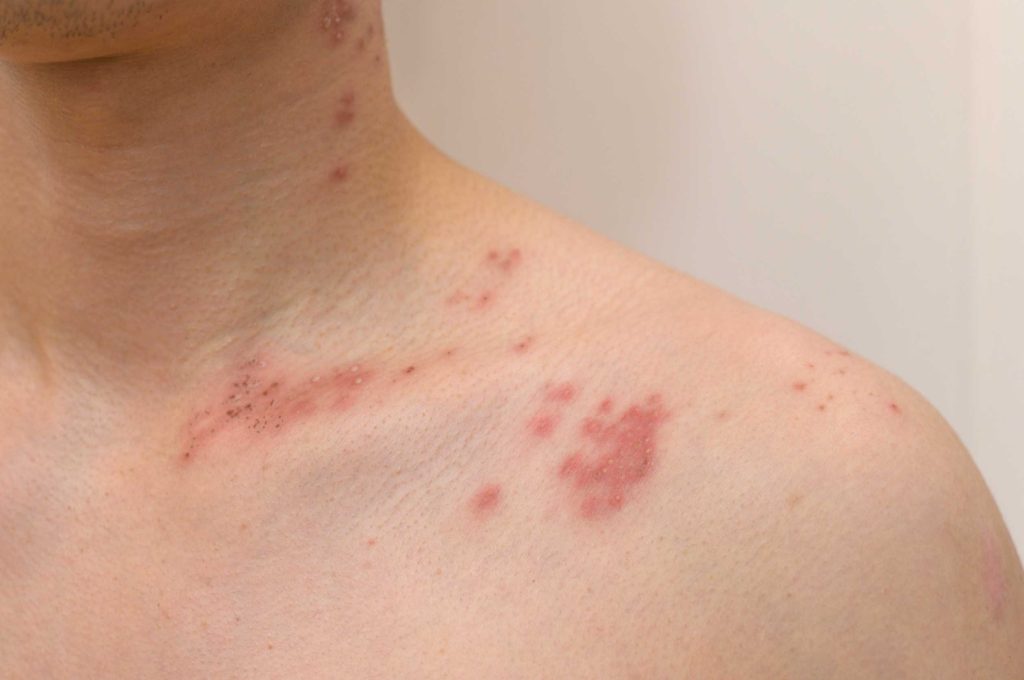
Yes, you can usually go out in public or go to work with shingles, as long as the rash can be kept covered and is not weeping fluid. Shingles itself is not directly contagious, but the virus that causes it can trigger chickenpox in anyone who has never had it.
In this blog, we will know whether shingles contagious risks are real, how the virus actually spreads, what shingles symptoms look like, and when it is best to stay away from public places or work.
Is Shingles Contagious?
Shingles itself is not contagious in the way most infections are, since you cannot catch shingles from someone else, according to NHS inform guidance on shingles. It happens when the chickenpox virus, which remains in your body after an earlier chickenpox infection, becomes active again.
Can You Spread Shingles to Others?
You can pass the virus on to someone else, but they would develop chickenpox rather than shingles. This can happen through direct contact with fluid from your open shingles blisters, and only if the other person has never had chickenpox or the chickenpox vaccine. Once the blisters have dried and scabbed over, the risk of spreading the virus drops significantly.
Shingles Symptoms
Shingles symptoms often begin with tingling, burning or pain in one area of skin. A few days later, a rash of fluid-filled blisters usually appears, often on just one side of the body, as described in NHS guidance on shingles. You may also have a headache, fever or feel unusually tired while the rash is present.
Can You Go Out in Public or Go to Work With Shingles?
In most cases, yes. You can usually go out in public or attend work if the rash is covered with a clean, breathable dressing. Keeping the blisters covered greatly reduces the risk of passing the virus to someone else.
When You Should Avoid Public Places or Work
According to UK government guidance on managing infectious conditions, it’s best to avoid public places or work until your rash has dried and crusted over if any of the following apply:
- Your rash is weeping and cannot be covered.
- You work closely with pregnant women or newborns.
- You are in regular contact with someone with a weakened immune system.
How to Reduce the Risk of Spreading the Virus
A few simple habits reduce the risk of spreading the virus:
- Keep the rash covered with a clean, breathable dressing.
- Wash your hands regularly.
- Avoid direct skin contact with anyone who has not had chickenpox.
When to See a Pharmacist or GP
Speak to a pharmacist or GP promptly if you think you may have shingles, particularly if:
- The rash is near your eye.
- You are pregnant.
- Your immune system is weakened.
Early antiviral treatment works best when started within 72 hours of the rash appearing.
Get Fast Shingles Treatment from Pharmacy To My Door
If you think you have shingles or need advice on managing your symptoms, our pharmacists at Pharmacy To My Door can assess you through the NHS Pharmacy First service and prescribe antiviral treatment where appropriate.
Book an appointment to schedule an online consultation today and receive the advice and treatment you need without delay.
Frequently Asked Questions
Is shingles contagious?
No, not in the usual sense. You cannot catch shingles from someone else, since it only develops when the chickenpox virus already in your body reactivates.
Can you spread shingles to others?
You can pass on the chickenpox virus to someone who has never had chickenpox, causing chickenpox rather than shingles in them, through direct contact with fluid from your blisters.
Can you go out in public with shingles?
Yes, as long as your rash is covered and not weeping. Once the blisters are covered or have crusted over, the risk of spreading the virus is very low.
Can you go to work with shingles?
In most cases, yes, provided the rash can be kept covered. You should avoid work if the rash is weeping and cannot be covered, or if you work closely with pregnant women, newborns or people with a weakened immune system.
What are the symptoms of shingles?
Shingles usually starts with tingling or pain in one area of skin, followed by a blistering rash on one side of the body, sometimes with headache, fever or fatigue.
How long is shingles contagious for?
Shingles remains capable of spreading the chickenpox virus from when the blisters appear until they have fully dried and scabbed over, usually around 7 to 10 days.
This blog is for general information only and is not a substitute for professional medical advice. Shingles can vary in severity and risk depending on individual circumstances, so please speak to a pharmacist, GP or call NHS 111 if you suspect shingles or have concerns.