
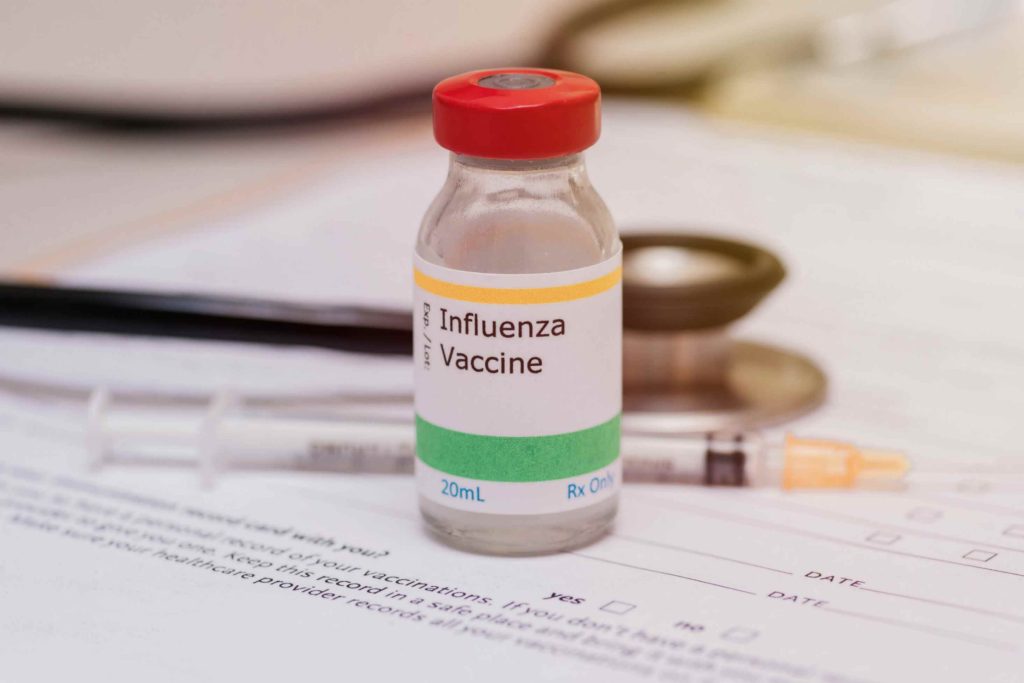
Influenza, commonly called the flu, is a contagious respiratory illness caused by influenza viruses. It spreads through coughing, sneezing, or contact with infected surfaces. Influenza can lead to mild to severe symptoms, depending on a person’s overall health, age, and the type of flu virus they contract. Understanding the impact of influenza on health and how to protect yourself with measures like the influenza vaccination is essential, especially during the flu season.
What are the Common Influenza Flu Symptoms?
Influenza flu symptoms can appear suddenly and may include:
- Fever or feeling very cold
- Coughing and a sore throat
- A runny or blocked nose
- Headaches and muscle aches
- Fatigue or extreme tiredness
Some people, particularly children, may also experience vomiting or diarrhoea. Symptoms can last for about a week, but fatigue may linger longer.
Type A influenza flu, one of the most common strains, often causes more severe symptoms than other types. This is why getting the flu influenza vaccine is highly recommended, especially for vulnerable groups such as older adults, pregnant women, and people with chronic conditions like asthma or diabetes.
How Influenza Affects Your Health?
Influenza doesn’t just make you feel unwell; it can lead to complications if not managed properly. Protecting yourself with an influenza vaccination can significantly reduce these risks and prevent severe outcomes. These complications can include:
Chest Infections
Influenza can cause bronchitis or worsen existing lung conditions like asthma or chronic obstructive pulmonary disease (COPD).
- Pneumonia: In severe cases, influenza may lead to pneumonia, particularly in older adults or those with weakened immune systems.
- Heart Problems: The flu can put extra strain on your heart, increasing the risk of heart attacks in some individuals.
- Worsening of Chronic Conditions: People with pre-existing conditions such as diabetes or kidney disease may find that their symptoms worsen during a flu infection.
What is the Best Treatment for Influenza?
Most people recover from the flu with rest and home care. Key steps include:
- Staying Hydrated: Drink plenty of fluids to prevent dehydration.
- Getting Rest: Give your body the time it needs to fight the virus.
- Over-the-Counter Medicines: Pain relievers and decongestants can ease symptoms like headaches or a blocked nose.
For those at high risk of complications, a doctor may prescribe antiviral medication to shorten the illness or reduce its severity.
The best way to protect yourself is through prevention. The influenza flu vaccine is highly effective in reducing the risk of flu and its complications. Vaccination is especially important for those in at-risk groups and can also prevent the spread of flu to others.
Protect Yourself This Flu Season
Influenza can disrupt your health and daily life, but with the influenza vaccination, you can significantly lower your chances of falling ill. Don’t wait until it’s too late. Stay healthy and protect those around you by making vaccination part of your seasonal health routine. Book an appointment at Pharmacy to My Door for the influenza vaccine today!


