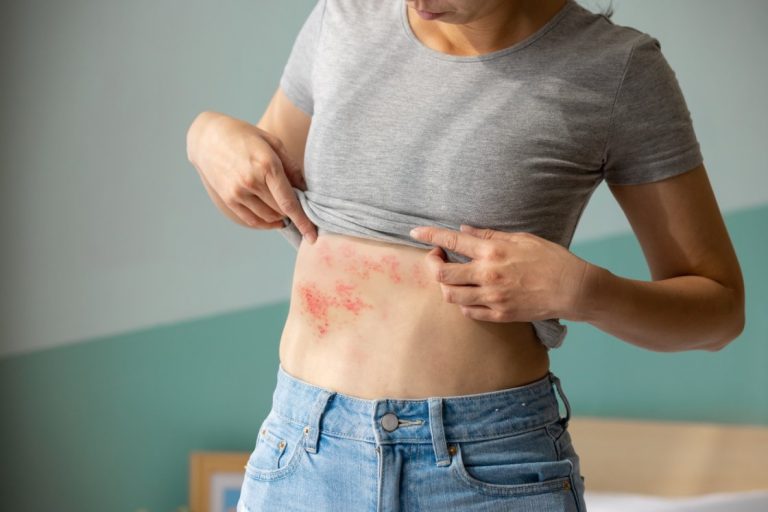
Shingles is a common viral infection that causes a painful rash, often appearing on one side of the body or face. It is caused by the varicella-zoster virus, the same virus responsible for chickenpox. Many people who have had chickenpox carry the virus in their bodies, and it can reactivate later in life as shingles. But the big question is – are shingles contagious? Let’s explore what the NHS says about it and how you can protect yourself and others.
Are Shingles Contagious?
According to the NHS, shingles itself is not directly contagious, meaning you cannot catch shingles from someone who has it. However, if you have never had chickenpox before or have not been vaccinated against it, you can catch chickenpox from someone with shingles. This happens through direct contact with the fluid from the blisters.
Once the blisters have scabbed over, the risk of spreading the virus decreases significantly. Until then, it is essential to take precautions to prevent spreading the infection to vulnerable individuals, such as pregnant women, newborn babies, and those with weakened immune systems.
How Do Shingles Spread?
Shingles spread through:
- Direct contact with blisters – The virus is present in the fluid within the shingles rash.
- Touching contaminated objects – Towels, bedding, and clothing that have been in contact with open sores can carry the virus.
It does not spread through coughing, sneezing, or casual contact.
Who Is at Risk of Getting Shingles?
The NHS advises that shingles are more common in older adults and individuals with weakened immune systems. You are more likely to develop shingles if you:
- Are over 50 years old
- Have a weakened immune system due to conditions such as HIV/AIDS or cancer
- Are under high levels of stress
- Have had chickenpox in the past
How to Protect Yourself with a Shingles Vaccination
The NHS offers a shingles vaccination to people aged 70 to 79 to reduce the risk of developing shingles and lessen its severity if it does occur. The vaccine is highly effective and helps protect against complications such as long-term nerve pain, known as post-herpetic neuralgia.
Private vaccinations for shingles are available at pharmacies and clinics across the UK, offering added protection, especially if you are at higher risk.
Managing Shingles Symptoms
If you develop shingles, the NHS recommends taking the following steps to ease your symptoms and prevent complications:
- Take antiviral medication (prescribed by your GP) to speed up healing
- Keep the rash clean and dry to avoid infection
- Avoid scratching the rash to prevent scarring
- Wear loose clothing to reduce irritation
- Use pain relief medication such as paracetamol to manage discomfort
Speak to Our Pharmacists for Expert Advice
Have questions about shingles? Our expert pharmacists at Pharmacy to My Door are here to provide trusted advice and guidance. Whether you’re seeking information about symptoms, treatment options, or prevention, we’re ready to help you make informed decisions. Get personalised support and answers to your health concerns from experienced professionals. Don’t wait—reach out today and take control of your well-being with expert advice you can trust.