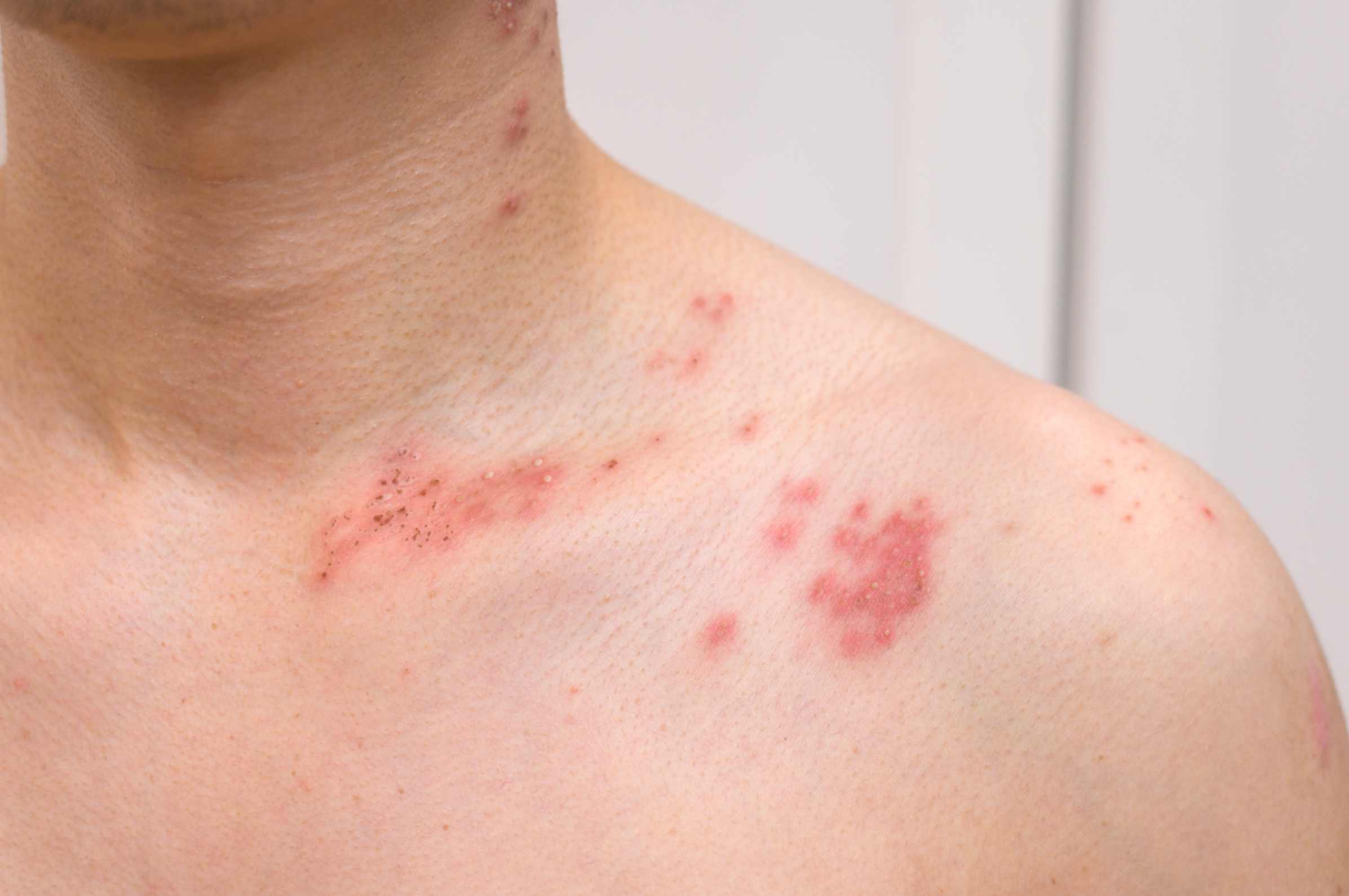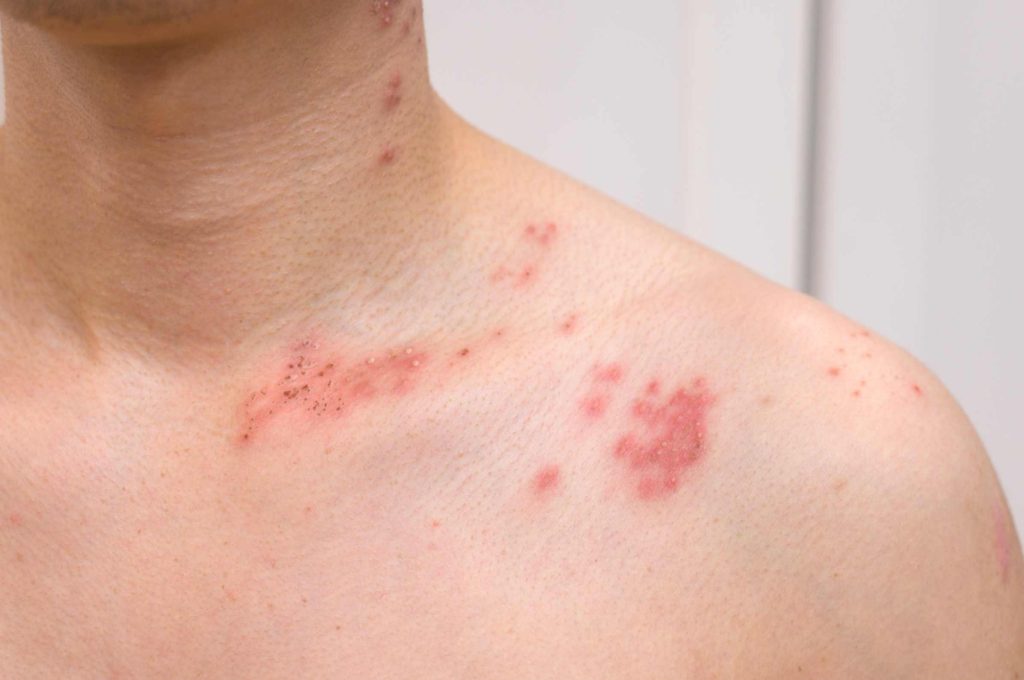
Shingles is a painful skin condition caused by the same virus that leads to chickenpox. If you have had chickenpox in the past, the virus stays in your body and can become active again later in life, causing shingles. In fact, according to the NHS, around 1 in 4 people in the UK will develop shingles at some point in their life.
While it is not life-threatening, shingles can be extremely painful and may lead to complications such as long-lasting nerve pain. The good news is that there is a vaccine to help protect you.
Shingles Vaccine Eligibility in the UK: What You Need to Know
In the UK, shingles vaccination is offered to people within certain age groups. The eligibility for shingles vaccination mainly depends on your age, as the risk of developing shingles increases as you get older. The immune system naturally weakens with age, making it harder to fight infections.
The current age group for the shingles vaccine typically starts at 65 years old. People turning 65 are invited for their jab, and those aged 70 to 79 are also eligible if they have not already had it. In some cases, people with weakened immune systems may be offered the vaccine earlier. This includes those with certain health conditions or treatments that affect immunity.
Why Is the Shingles Vaccine Important?
The main reason to get the vaccine is to lower your risk of developing shingles and the severe pain it can cause. Even if you do develop shingles after vaccination, the symptoms are usually milder and shorter-lasting.
One of the biggest complications of shingles is a condition called post-herpetic neuralgia. This can cause severe nerve pain that lasts for months or even years after the rash disappears. Vaccination reduces the chance of this happening and helps maintain a better quality of life as you age.
What You Need to Know About Shingles Vaccination in the UK
In the UK, the standard shingles vaccine is given as two doses, with intervals of 6–12 months for immunocompetent individuals and 8 weeks to 6 months for those who are severely immunosuppressed. The type of vaccine offered can also depend on your health and immune system.
The vaccine is safe and has been widely used. Some people may experience mild side effects like soreness at the injection site, a headache, or mild flu-like symptoms, but these usually settle quickly.
Getting vaccinated not only protects you but also helps reduce pressure on healthcare services. By lowering the number of people affected by shingles and its complications, more resources can be directed towards other areas of care.
Who Should Not Get the Shingles Vaccine?
While most people in the eligible age group for the shingles vaccine can safely have it, there are some exceptions. People who have had a severe allergic reaction to a previous dose or to any ingredient in the vaccine may be advised not to take it. Those with very weak immune systems may need a different type of vaccine or a different schedule. It is always best to check with our pharmacists if you are unsure.
Protect Yourself with the Shingles Vaccine
If you are in the eligible age group or have a health condition that makes you more vulnerable, getting the vaccine is a smart step towards protecting your future health. It reduces your risk of a painful illness and gives peace of mind.
Do not wait until shingles strikes. Book your consultation to talk to our pharmacist today at Pharmacy To My Door and find out if you are eligible for the shingles vaccine.