
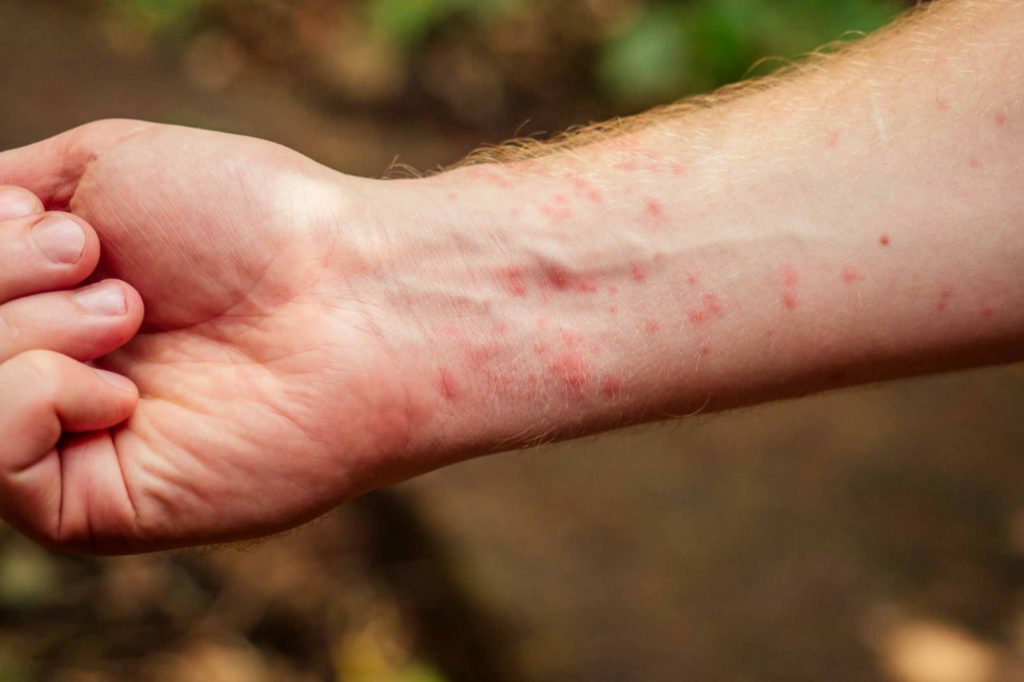
Insect bites are incredibly common, especially during warmer months when people spend more time outdoors. In fact, one UK study found that between 56 % and 94 % of people experience an insect sting, such as from bees, wasps or ants, at least once in their lifetime.
While most bites clear up quickly and harmlessly, occasionally they can become infected, causing extra discomfort and even complications. Knowing the signs of an infected insect bite and when to act on them can help you avoid unnecessary worry and support a faster, safer recovery.
What Happens After a Normal Insect Bite
When a mosquito, midge, or other insect bites, it usually leaves the skin red, swollen, and itchy for a few days. This is your body’s natural reaction to the insect’s saliva. While irritating, most bites settle with simple self-care like cleaning the area and avoiding scratching.
Signs of an Infected Insect Bite
It is important to spot the early warning signs that your bite may not be healing as expected. Common signs of an infected insect bite include:
- Increasing redness that spreads outwards from the bite
- Swelling that becomes worse instead of better
- Warmth or heat around the area
- Pus or fluid coming from the bite
- Pain or tenderness that does not ease
- Fever or feeling generally unwell in more severe cases
If you notice any of these symptoms, especially spreading redness or pus, it may be time to get professional advice from our pharmacist.
Symptoms Of Mosquito Bite Infection
Mosquito bites are usually harmless, but scratching can break the skin and allow bacteria to get in. Signs that the bite may be infected include oozing, pain that worsens, swelling, and skin around the bite that feels hot. In some cases, especially in children who scratch more, yellowish crusts may appear around the bite, which can be linked to impetigo.
How To Treat Infected Insect Bites at Home
If your bite shows mild signs of infection, you can take steps to ease the discomfort and help it heal:
- Wash the area gently with warm water and mild soap.
- Apply a clean, cool compress to reduce swelling.
- Keep the bite covered with a plaster if it is weeping.
- Use an antiseptic cream to reduce infection risk.
- Take simple pain relief if needed for soreness.
If the bite becomes more red, swollen, or painful despite home care, our pharmacists can advise whether further treatment such as antibiotics may be needed.
How To Stop Bites from Getting Worse
Prevention plays a big role in avoiding complications. Try to avoid scratching bites, even if they are itchy. Keep your nails short and clean, as scratching introduces bacteria that can lead to infection. Insect repellent and covering exposed skin when outdoors can also lower your chances of being bitten.
Expert Advice for Safe Relief
Not every insect bite needs medical attention, but it is always better to be cautious if you are unsure. Our experts can help you understand whether your bite is healing normally or if you need treatment to stop the infection from spreading.
Book your consultation today to speak to our pharmacists at Pharmacy To My Door and get the right advice for safe and effective care.


