
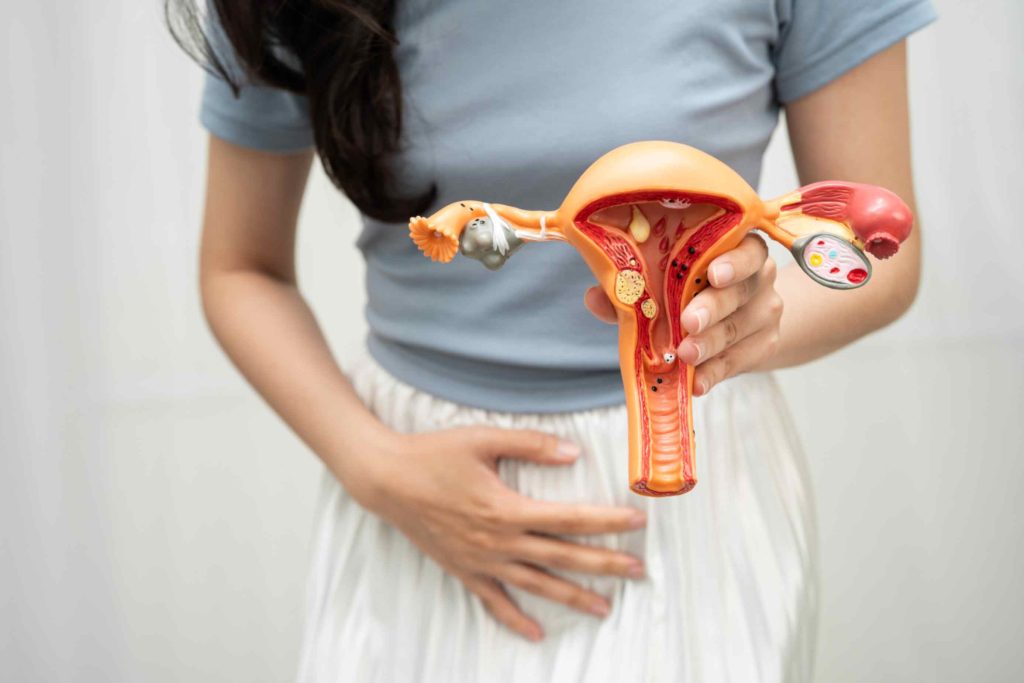
A urinary tract infection happens when bacteria enter your bladder, urethra or kidneys. It is one of the most common infections in the UK, especially among women. According to the UK Health Security Agency, during the financial year 2023–24 there were 189,756 hospital admissions related to UTIs in England alone. Knowing the early signs of urinary tract infection and when to seek help can prevent complications and reduce the burden on both your health and the wider health system.
What Are the Early Signs of a Urinary Tract Infection?
The first signs of urinary tract infection are often subtle but tend to worsen quickly if untreated.
Common signs of urinary tract infection include:
- A burning sensation or pain when passing urine
- Needing to urinate more often than usual
- Passing only small amounts of urine each time
- Cloudy or strong-smelling urine
- Pain in the lower tummy or back
Symptoms of UTI in Early Pregnancy
During early pregnancy, UTI symptoms may appear milder or even be mistaken for normal pregnancy discomfort. You might notice increased urgency, pelvic pressure, or pain when urinating.
Because untreated infections can lead to kidney problems or preterm labour, it’s essential to get tested as soon as you notice any symptoms. Our pharmacists can advise you on suitable options for testing and safe treatment during pregnancy.
What Causes a Urinary Tract Infection?
Most UTIs are caused by E. coli bacteria from the bowel entering the urinary tract. Women are more prone to infections due to the shorter length of the urethra, which allows bacteria to reach the bladder more easily.
Common UTI Triggers
Some common causes and triggers include:
- Poor hygiene habits (e.g., wiping from back to front)
- Not urinating after sexual activity
- Holding in urine for too long
- Dehydration
- Using harsh soaps or perfumed products around the genital area
Chronic Urinary Tract Infection Symptoms
If UTIs keep coming back, you may be experiencing chronic or recurrent infections. Symptoms can include persistent pain, ongoing urgency, or mild burning even after treatment. Long-term infections might require further testing or lifestyle adjustments to identify underlying causes.
How Can You Prevent a Urinary Tract Infection?
Prevention focuses on keeping your urinary system healthy and free of bacteria. Here are a few practical steps:
- Drink plenty of water daily to flush out bacteria.
- Urinate when you feel the urge, instead of holding it in.
- Wipe front to back after using the toilet.
- Avoid perfumed hygiene products.
- Wear breathable cotton underwear.
- Empty your bladder soon after sexual activity.
- These small lifestyle habits can significantly reduce your risk of developing or repeating infections.
UTI Causes and Prevention in Everyday Life
Diet and hydration play a big role. Cranberry-based supplements or drinks may help reduce bacteria build-up, though evidence is mixed. Eating a balanced diet and staying hydrated helps maintain a healthy urinary tract. Our experts can also guide you on pharmacy treatments and natural ways to manage your symptoms.
When Should You Speak to a Pharmacist?
If your symptoms last more than two days, come back frequently, or include fever and back pain, it may be a sign the infection has spread to your kidneys.
Our pharmacists can:
- Help you identify whether your symptoms suggest a mild or more serious infection
- Recommend suitable over-the-counter treatments or testing
- Advise when further medical care may be needed
Early action helps prevent complications and supports faster recovery.
Get Personalised Help for UTI Relief
If you think you may have a urinary tract infection or experience recurring symptoms, professional advice can make a big difference. Speak to our team for discreet, expert support and tailored recommendations to suit your needs.
Book a consultation with our pharmacists today at Pharmacy To My Door and get guidance on safe, effective UTI treatment and prevention.
FAQs
A mild urinary tract infection may clear up with rest and plenty of fluids, but most cases need treatment to prevent it from spreading to the kidneys. It’s best to speak to a pharmacist if symptoms last more than a couple of days.
Some people experience what’s called a “silent UTI”, where symptoms are mild or easy to miss. These may include tiredness, cloudy urine, or a constant urge to urinate without much pain. Such hidden signs of urinary tract infection can still cause complications if ignored.
No, urinary tract infections are not contagious and cannot be passed from one person to another. However, sexual activity can sometimes trigger bacteria to enter the urinary tract, which increases your risk of infection.
Chronic urinary tract infections keep coming back despite treatment. They may cause recurring discomfort, low-grade pain, or a burning sensation that returns after a few weeks. Identifying the cause, such as incomplete treatment or underlying conditions, is key to long-term relief.
Yes. Not drinking enough water reduces how often you urinate, allowing bacteria to build up in the bladder. Staying hydrated helps flush out germs and is one of the simplest ways to prevent UTIs.
In older adults, UTI symptoms may differ. Instead of pain or burning, signs can include confusion, restlessness, or sudden weakness. Recognising these unusual symptoms early helps prevent serious infection or hospitalisation.


