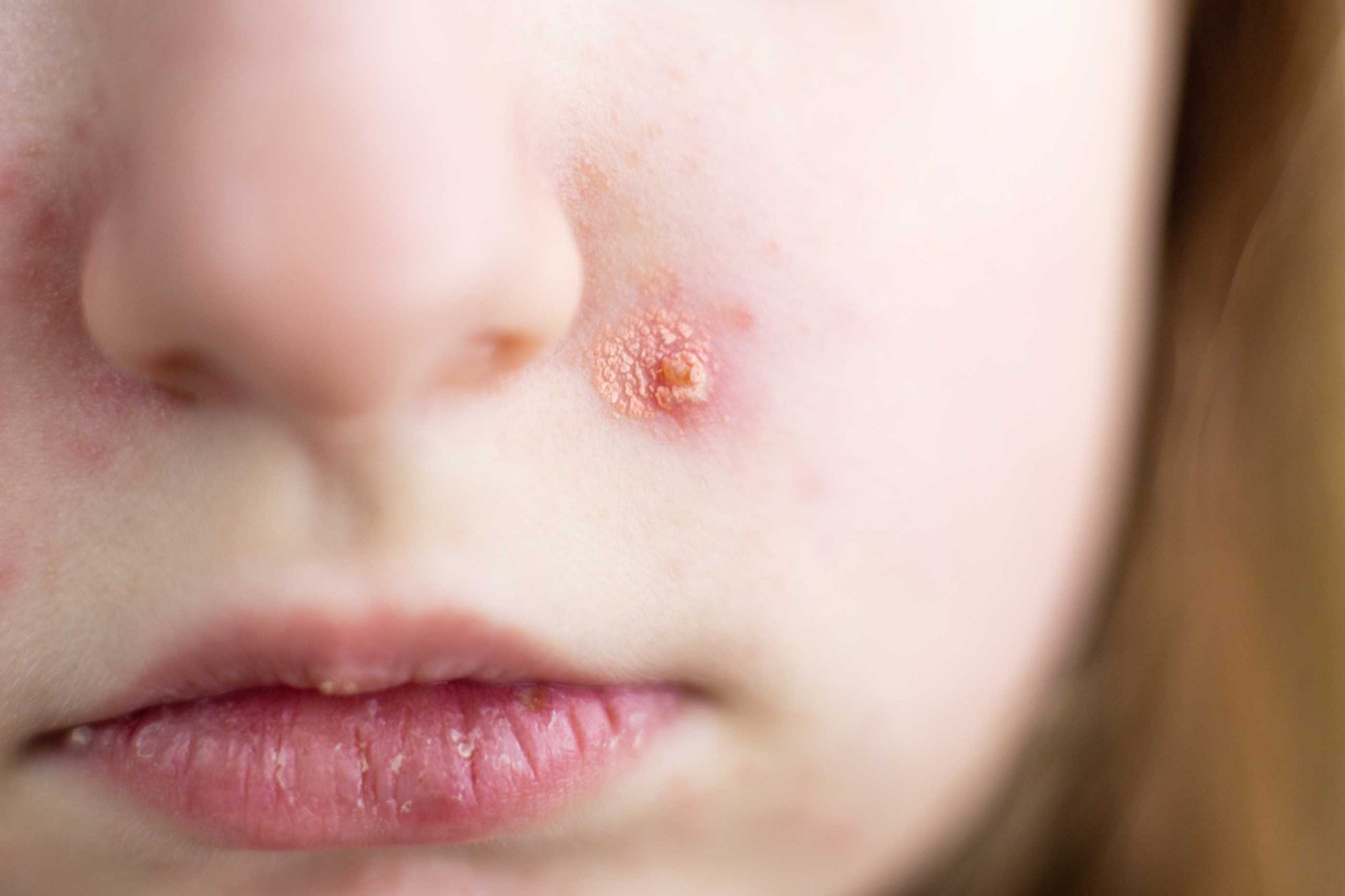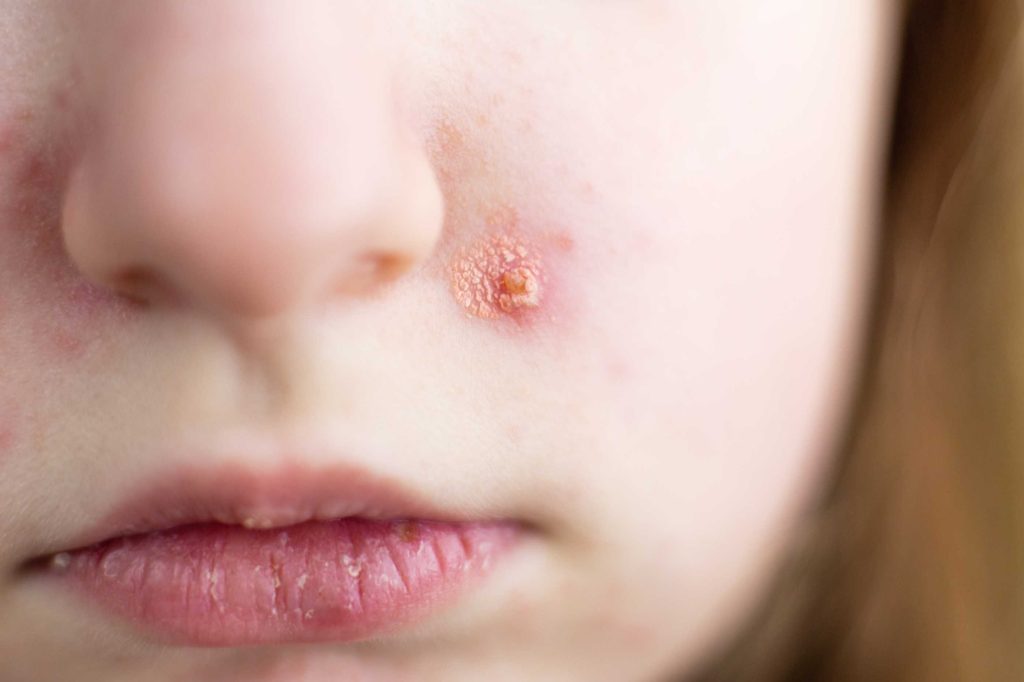
Have you noticed a small sore on the skin that keeps coming back or slowly forms a yellow crust? What may seem like a minor skin irritation could actually be the early stage of impetigo, a contagious bacterial infection that spreads easily through contact.
The early signs of impetigo often begin with small red sores, blisters, or patches of irritated skin. These can quickly develop into the recognisable impetigo rash with crusted sores, especially around the nose, mouth, or exposed areas of the body.
Impetigo in children is particularly common, but impetigo in adults can also occur when bacteria enter through cuts, insect bites, or damaged skin. Recognising impetigo symptoms early can help ensure timely impetigo treatment and prevent the infection spreading further.
What Is Impetigo?
Impetigo is a bacterial skin infection that mainly affects the outer layer of the skin. It often starts as small sores or blisters that quickly develop into a distinctive crusted rash.
The infection spreads easily through direct contact with the affected skin or by touching items such as towels, bedding, or clothing used by someone with the infection. Because of this, impetigo in children is particularly common in schools and nurseries where close contact happens frequently.
What Are The Early Signs of Impetigo?
The early signs of impetigo often appear as small skin changes that may initially look harmless. However, these signs can quickly develop into the more recognisable impetigo rash.
Common early-stage impetigo symptoms include:
- Small red spots or sores on the skin.
- Itchy or irritated patches.
- Tiny blisters filled with fluid.
- Areas of skin that feel sore or tender.
- Crusting or yellow-coloured scabs forming on the sores.
These early lesions usually appear around the nose, mouth, or exposed areas of skin such as the hands and arms. In many cases, scratching can spread the infection to nearby areas of the body.
Recognising these early signs of impetigo can help reduce the risk of the infection becoming more widespread.
Impetigo Symptoms to Watch For
As the infection progresses, the impetigo rash becomes easier to identify. The sores may break open and form a thick golden-coloured crust. This is one of the most recognisable impetigo symptoms.
Typical symptoms of impetigo include:
- Red sores that burst and form crusty patches.
- Yellow or honey-coloured scabs on the skin.
- Itching and mild discomfort.
- Skin that becomes inflamed or irritated around the rash.
- New patches appearing as the infection spreads.
Although the infection is usually mild, it can spread quickly if left untreated. This is why early identification of impetigo symptoms is important.
Common Signs of Impetigo in Children
Impetigo in children is very common because children often have minor cuts, scrapes, or insect bites that allow bacteria to enter the skin.
The infection frequently appears around the nose and mouth, but it may also develop on the hands, legs, or other exposed areas. Children may scratch the affected area, which can cause the impetigo rash to spread further.
Parents may first notice small blisters or red sores that later develop crusty patches. Because impetigo is contagious, it is important to avoid sharing towels, clothing, or bedding until the infection has cleared.
Common Signs of Impetigo in Adults
Although it is more commonly seen in younger children, impetigo in adults can also occur. Adults may develop the infection after skin injuries, shaving cuts, or existing skin conditions that weaken the skin barrier.
In adults, the rash may appear on the face, hands, neck, or other exposed areas of skin. People with eczema, weakened immune systems, or frequent skin irritation may be more likely to develop early-stage impetigo.
Because adults often overlook mild skin changes, recognising the early signs of impetigo can help prevent the infection from becoming more widespread.
Impetigo Treatment Options and Care Tips in the UK
Impetigo treatment usually aims to clear the bacterial infection and prevent it from spreading. Early treatment can also reduce the risk of complications.
Treatment may include:
- Prescription creams or ointments that fight the bacteria.
- Oral antibiotics if the infection is more widespread.
- Keeping the affected area clean and dry.
- Avoiding scratching the sores.
- Washing hands regularly to prevent spreading the infection.
Our pharmacists can assess impetigo symptoms and recommend suitable impetigo treatment based on the severity of the infection.
When to Seek Advice for Suspected Impetigo
Recognising the early signs of impetigo allows treatment to begin sooner and helps prevent the infection spreading to others. If you notice a developing impetigo rash or persistent skin sores, it is best to seek advice promptly.
Early support can make a significant difference in controlling early-stage impetigo and preventing further irritation or infection.
If you are concerned about possible impetigo symptoms, you can speak with our pharmacists who can guide you on appropriate care and treatment options. Book an appointment today for expert guidance and suitable treatment options.
FAQs
The earliest signs of impetigo usually include small red sores or blisters that may itch or feel sore. These quickly burst and form yellow or honey-coloured crusts, often around the nose, mouth, or hands.
Early-stage impetigo often begins as tiny red spots or fluid-filled blisters. These sores can break open and form a sticky, golden crust, which is one of the most recognisable features of an impetigo rash.
Yes, impetigo in children is more common because children frequently have minor cuts, scrapes, and close contact with others. However, impetigo in adults can still occur, especially if the skin is damaged or irritated.
Impetigo symptoms usually include red sores that burst and develop thick yellow crusts. Unlike many other rashes, impetigo spreads easily and often appears around the nose, mouth, or exposed areas of skin.
Impetigo can spread quickly within a few days, especially if the affected area is scratched or touched frequently. The infection can move to nearby skin or spread to other people through direct contact.
Impetigo treatment should begin as soon as the infection is recognised. Early treatment helps stop the bacteria spreading, reduces discomfort, and allows the skin to heal more quickly.