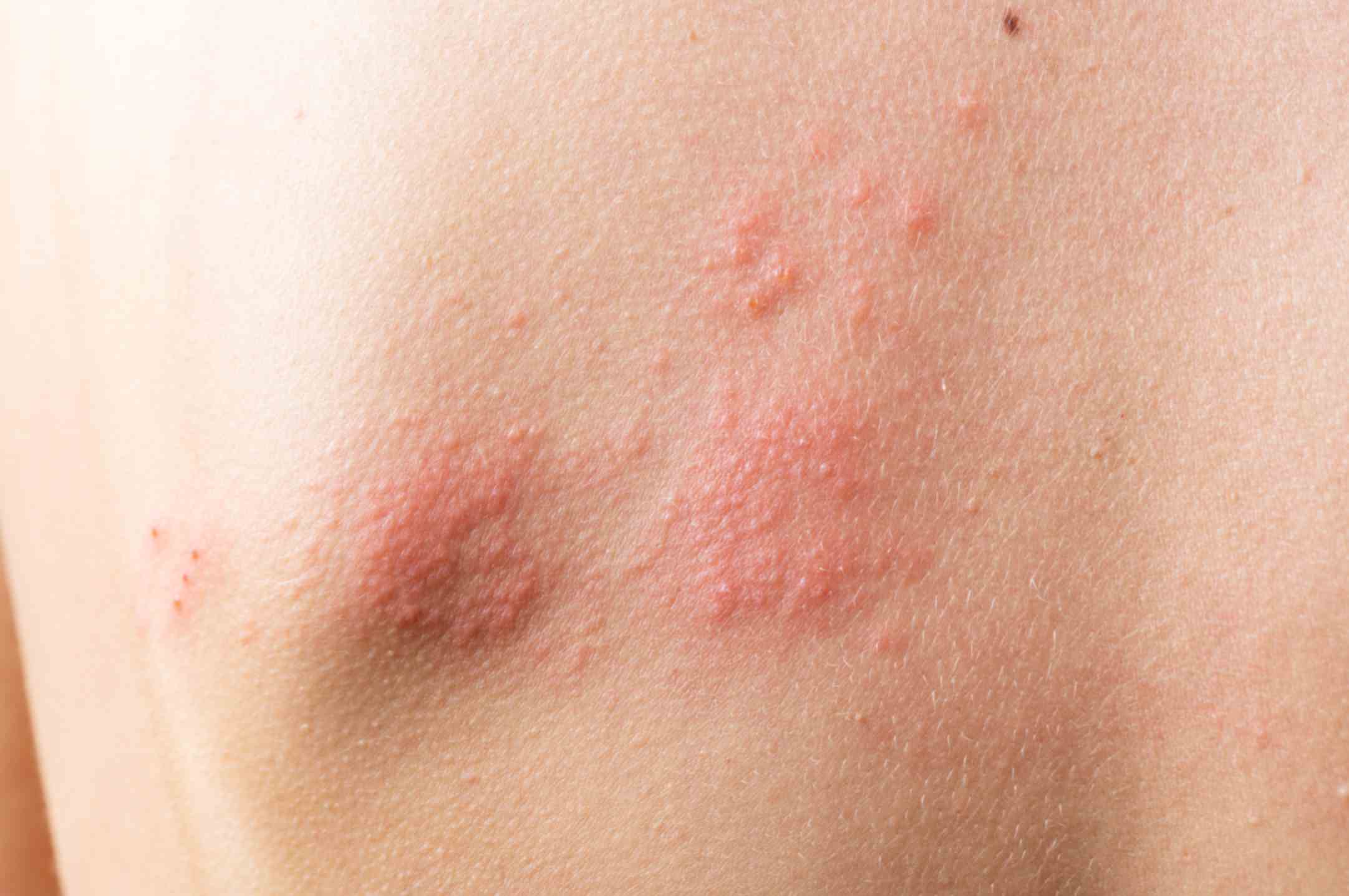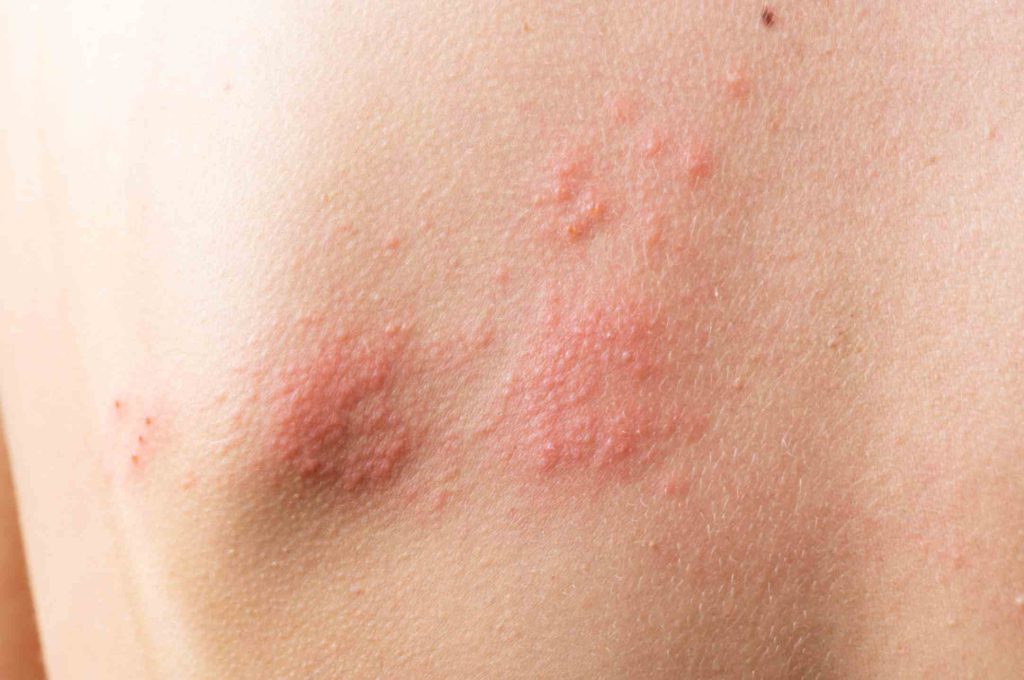
Caring for a shingles rash properly reduces the risk of secondary bacterial infection, helps control the spread of the varicella-zoster virus to others, and supports faster healing. The rash itself is caused by a viral infection, but the open blisters it produces are vulnerable to bacteria from the skin and the environment.
This article covers practical day-to-day care for a shingles rash, what to avoid, how to reduce transmission risk, and when the rash warrants further medical attention.
Keep the Rash Clean and Dry
The most important principle in shingles rash care is keeping the affected area clean and dry. Gently wash the rash once or twice a day with mild soap and lukewarm water, then pat the skin dry carefully with a clean towel. Rubbing the area risks breaking the blisters prematurely, which increases the risk of bacterial infection and can worsen scarring.
Avoid soaking the area in baths for prolonged periods, particularly while blisters are open. Brief showers are generally better than baths during the blister phase, as immersion can soften the skin and increase the risk of secondary infection.
Cover the Rash to Reduce Transmission Risk
The fluid inside shingles blisters contains the varicella-zoster virus and can transmit chickenpox to anyone who has not previously had chickenpox or been vaccinated against it. Until the blisters have fully crusted over, keeping the rash covered is an important infection control measure.
Use a clean, non-adhesive dressing or a soft, breathable gauze pad to cover the affected area. Avoid tight or occlusive dressings, which trap moisture and create conditions that promote bacterial growth. Change the dressing at least once a day, or immediately if it becomes wet or soiled.
During this period, avoid close physical contact with:
- Pregnant women who have not had chickenpox or the chickenpox vaccine
- Newborn babies, particularly those under one month old
- People with a weakened immune system due to illness or medical treatment
- Anyone who has never had chickenpox and has not been vaccinated
Once the blisters have dried and crusted over completely, the risk of transmission is minimal. Shingles cannot be passed from person to person; the person exposed can only develop chickenpox if they are susceptible.
Managing Pain and Itching Without Damaging the Skin
The shingles rash is frequently intensely itchy and painful, and resisting the urge to scratch is genuinely difficult. Scratching breaks the blisters, introduces bacteria, and increases the risk of scarring and secondary infection. The following measures can help manage symptoms without disrupting the skin:
- Cool or lukewarm compresses applied to the rash for short periods can reduce heat and discomfort
- Calamine lotion applied gently with a clean cotton pad can soothe itching
- Loose, soft clothing made from natural fibres reduces friction against the affected area
- Paracetamol or ibuprofen taken regularly at the correct dose helps manage both pain and any associated fever
- An antihistamine tablet may help reduce itching, particularly at night when scratching during sleep is a risk
Avoid applying any cream or ointment to the rash that has not been specifically recommended for shingles. Some products, including certain antiseptic creams, can irritate already sensitive skin or delay healing.
Signs That the Rash Has Become Secondarily Infected
A secondary bacterial infection of the shingles rash is a complication that requires prompt treatment. Contact a pharmacist or GP if the rash area shows any of the following:
- Increasing redness, warmth, or swelling beyond what was present before
- Pus or cloudy discharge from the blisters, rather than the clear or slightly yellow fluid typical of shingles
- Blisters that are not crusting over as expected but remain open or wet after two weeks
- Fever that develops or worsens during the healing phase, rather than settling
- Significantly increased pain at the rash site after the initial phase
Secondary bacterial infection of shingles typically requires a course of antibiotics. Do not attempt to treat it with over-the-counter antiseptics alone if the signs above are present.
How to Prevent Shingles in the First Place
The shingles vaccine is the most effective way to reduce the risk of developing shingles or, for those who do develop it despite vaccination, to reduce the severity and duration of the episode.
In the UK, the shingles vaccine is available on the NHS for adults aged 70 to 79 and for eligible immunocompromised adults aged 50 and over. If you or a family member fall within the eligible age range and have not yet been vaccinated, speaking to your GP surgery is the appropriate next step.
Beyond vaccination, maintaining good general health through adequate sleep, a balanced diet, and managing chronic conditions effectively helps support immune function, though it cannot guarantee prevention of shingles given that the underlying virus remains dormant in the body.
When to Seek Urgent Help
Most shingles rashes heal without serious complications with appropriate care and antiviral treatment started promptly. Seek same-day medical help if:
- The rash is near or around the eye, which can threaten vision and requires urgent ophthalmological assessment
- There is significant swelling of the face, eyelid, or surrounding tissue
- You develop confusion, a severe headache, or neck stiffness
- The rash appears to be spreading unusually rapidly or covering a large surface area
- You are immunocompromised and developing any signs of worsening infection
Shingles near the eye, known as herpes zoster ophthalmicus, is the most time-sensitive complication. Even if vision currently seems unaffected, same-day assessment is essential.
How Pharmacy To My Door Can Help
If you have been prescribed antiviral medication for shingles or pain management for postherpetic neuralgia, Pharmacy To My Door can manage your prescription and deliver it directly to your home. Our GPhC-registered pharmacy team is here to answer questions about your treatment and ensure your medication is dispensed accurately and on time.
We deliver NHS and private prescriptions free across the UK, so you can focus on recovering without an unnecessary trip to the pharmacy. Recovering from shingles and need your prescription managed? Book an appointment with Pharmacy To My Door today. We deliver NHS and private prescriptions free across the UK.
Frequently Asked Questions (FAQ’s)
Should I keep a shingles rash covered or let it air?
Keep it covered with a clean, breathable dressing until the blisters have fully crusted over. This reduces infection risk and limits transmission of the virus to susceptible contacts.
How long does a shingles rash take to heal?
Most shingles rashes crust over within two to four weeks. Skin healing may take a further few weeks. Some patients experience residual nerve pain, called postherpetic neuralgia, after the rash has resolved.
Can I shower with shingles?
Yes. Brief showers with lukewarm water and mild soap are preferable to baths during the blister phase. Pat the rash dry gently and apply a fresh dressing afterwards.
Is the shingles rash contagious?
The fluid in shingles blisters can transmit chickenpox to susceptible people. Shingles itself cannot be caught. Cover the rash until the blisters have fully crusted over to minimise transmission risk.
Can the shingles vaccine prevent the rash?
The shingles vaccine significantly reduces the risk of developing shingles and, for those who develop it despite vaccination, tends to reduce severity. It is available on the NHS for eligible adults. Speak to your GP surgery about eligibility.