Most insect bites seem harmless at first. A little redness or itching is easy to ignore, especially if you expect it to fade in a day or two. But when a bite becomes increasingly painful, swollen or starts oozing, it can signal an infection that needs attention.
According to NHS data, skin infections lead to over two million GP and pharmacy consultations across England each year, with infected insect bites being a common reason people seek help. Spotting the signs early and treating an infected insect bite safely can help prevent the infection from spreading and avoid unnecessary discomfort or complications.
What Is an Infected Insect Bite?
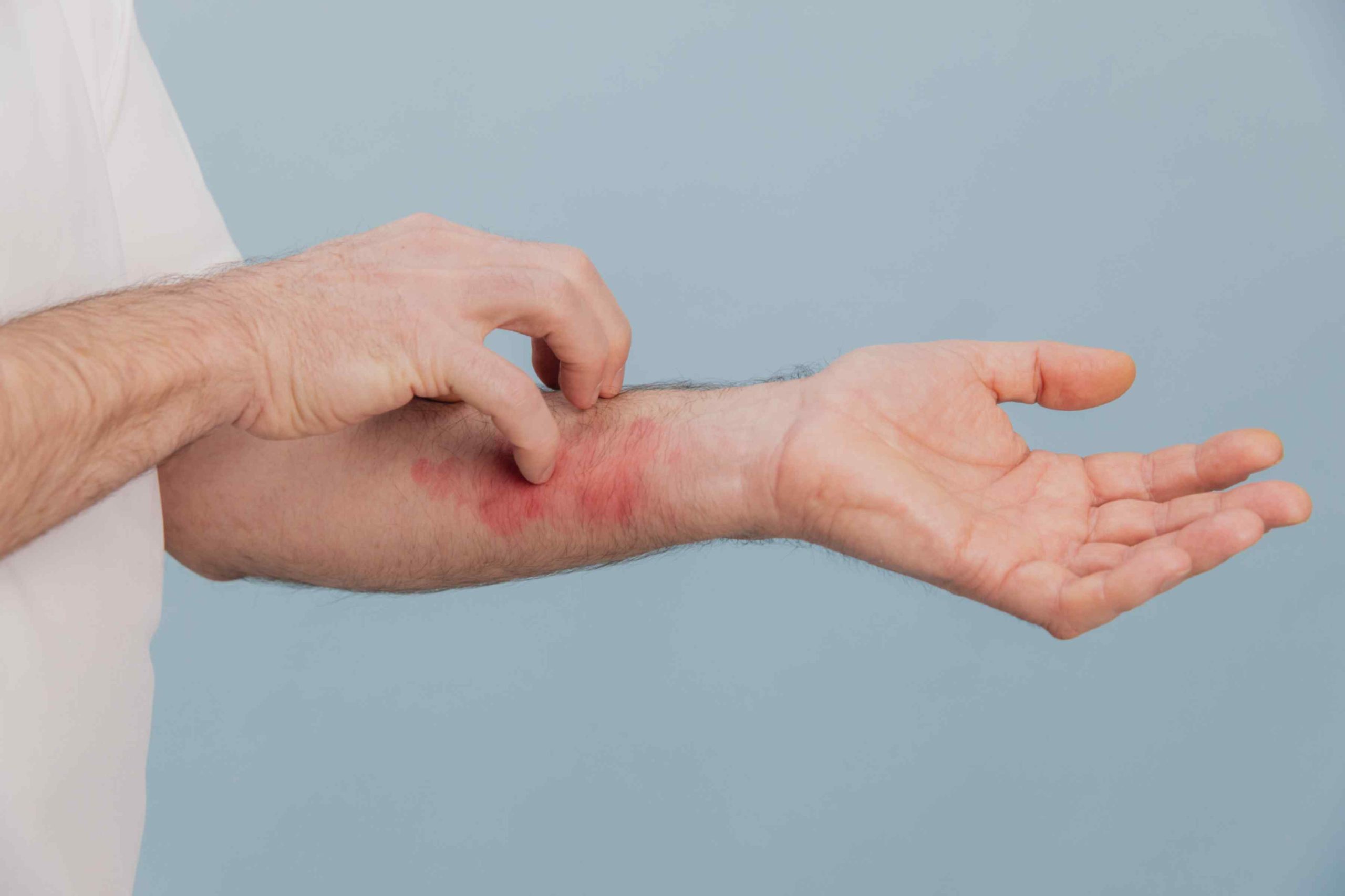
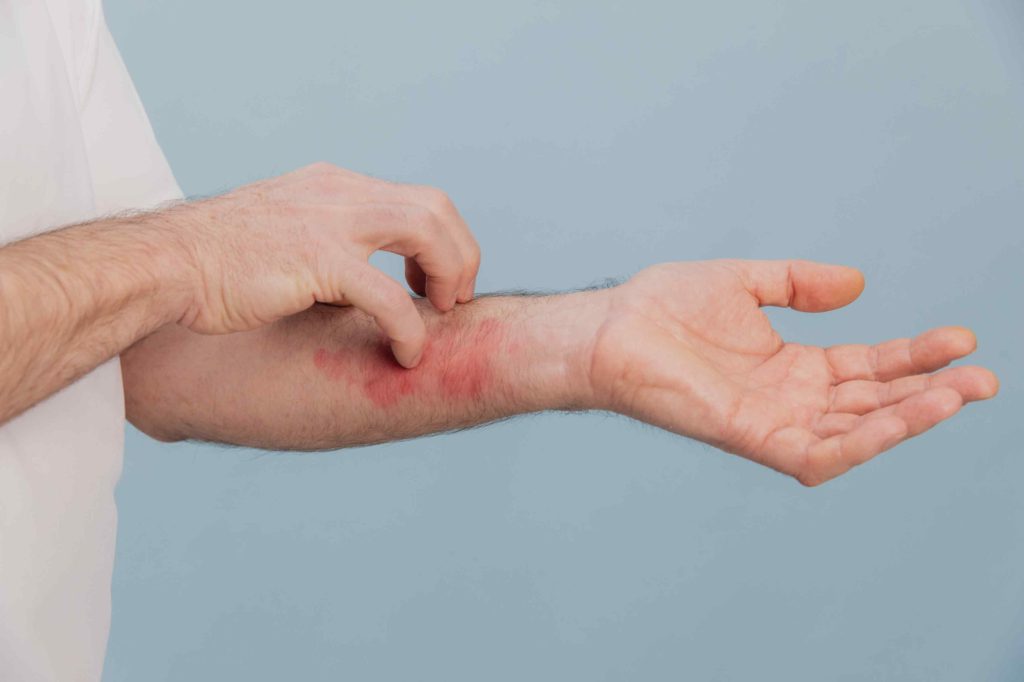
An infected insect bite happens when bacteria enter the skin through the bite. This can occur if the skin is broken or scratched, allowing germs to spread. An infected bug bite often looks and feels different from a normal bite that is healing on its own.
While mild swelling and redness are common after any bite, infection usually causes symptoms that worsen instead of improving. Acting early can reduce pain and speed up recovery.
Common Insect Bite Infection Symptoms You Might Notice
The first step in infected insect bite treatment is recognising the signs. An infection may be present if you notice:
- Increasing redness around the bite.
- Skin that feels warm or hot to touch.
- Worsening insect bite swelling.
- Pain or tenderness rather than mild itching.
- Pus or fluid leaking from the bite.
- The area becoming hard or spreading in size.
These insect bite infection symptoms may be harder to see on darker skin tones, but changes in heat, pain and swelling are still important warning signs.
What Can You Do at Home for an Infected Insect Bite?
If you suspect an insect bite infection, there are safe steps you can take straight away. These actions can help prevent the infection from getting worse.
- Start by gently washing the area with soap and lukewarm water. This helps remove surface bacteria. Pat the skin dry rather than rubbing it.
- Apply a clean cold compress for up to 20 minutes to reduce insect bite swelling and ease discomfort. Keeping the area raised can also help if the bite is on an arm or leg.
- Avoid scratching the bite even if it feels itchy. Scratching can break the skin further and push bacteria deeper, making the infection worse.
How Can a Pharmacist Treat an Infected Insect Bite?
If symptoms persist or worsen, a pharmacist can assess the infected insect bite and advise on suitable treatment. For mild cases, insect bite treatment may include antihistamine tablets to reduce itching and redness or a steroid cream to calm inflammation.
If the bite shows clear signs of infection, our pharmacists can provide appropriate infected insect bite treatment. This may include antibiotic treatment when clinically needed. Pharmacists are trained to identify when medication is suitable and when further medical support is required.
Seeking advice early can often prevent the infection from spreading and reduce the need for more complex care later.
Signs You Need Professional Help for an Infected Insect Bite
You should speak to a pharmacist if the bite is painful, swollen, leaking fluid or spreading. Children aged one year and over can also be assessed safely.
Prompt advice is especially important if redness continues to spread, swelling increases or pain becomes severe. Early support helps ensure the safest and most effective bug bite treatment.
Mistakes to Avoid When Treating an Infected Insect Bite
Certain actions can slow healing and make an insect bite infection worse. Knowing what to avoid is just as important as knowing how to treat the bite, as some common habits can delay recovery or increase the risk of complications.
- Avoid using home remedies such as bicarbonate of soda or vinegar, as these can irritate the skin and worsen inflammation.
- Do not apply antiseptic creams repeatedly unless advised by a pharmacist, as overuse can delay normal skin healing.
- Avoid covering the bite with tight dressings unless recommended, as the skin needs air to heal properly.
- Do not ignore an infected bug bite and hope it will settle on its own, as untreated infections can worsen and spread.
Get Trusted Support From Our Pharmacy Team
Treating an insect bite infection safely starts with the right advice. Our experienced pharmacists are here to assess symptoms, recommend effective treatment and guide you on the next steps if needed. Book a consultation today to speak with our pharmacist at Pharmacy To My Door and get timely, professional support for your infected insect bite.
FAQs
An infected insect bite usually worsens over time, causing increasing redness, heat, pain, spreading swelling or pus. A healing bite should gradually settle within a few days.
Very mild infections may improve with good hygiene, but many do not heal fully without treatment. Worsening redness, pain or swelling means advice should be sought promptly.
Treatment depends on the severity of your condition. Pharmacists may recommend antihistamines or steroid creams and can provide antibiotics for infected insect bites where clinically appropriate.
Swelling is concerning if it increases after 48 hours, feels hot, becomes painful or spreads. Swelling with redness or fluid may indicate an insect bite infection.
Yes. Scratching damages the skin and allows bacteria to enter, increasing the risk of infection. Avoiding scratching helps prevent worsening symptoms and supports healing.
Yes. Pharmacists can assess infected insect bites, recommend treatment and supply antibiotics if needed, making pharmacy care a quick and effective first step.