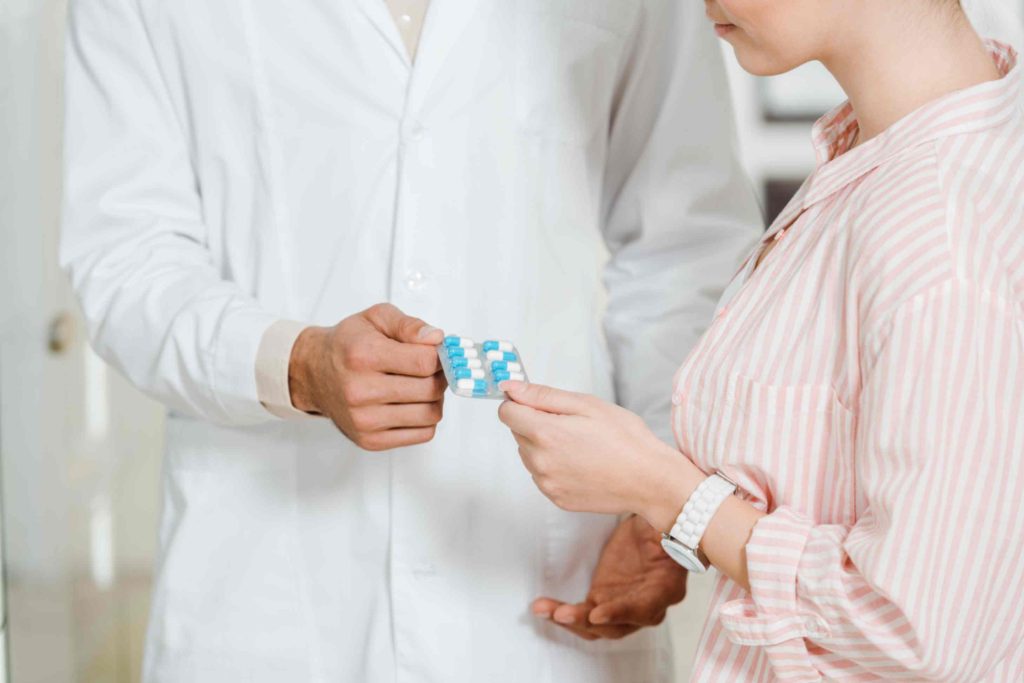
Emergency contraception is designed to help prevent pregnancy after unprotected sex or if your usual method has failed. In fact, emergency contraceptive pills can reduce the chance of pregnancy by up to around 89 per cent when taken as soon as possible after sex.
Many people worry about when to take emergency contraceptive pills and whether they really work. This article explains the types of emergency contraception available, how emergency contraception works, and the morning-after pill timing you need to know.
What Are the Types of Emergency Contraception?
There are two main types of emergency contraception. The first is the emergency contraceptive pill, often called the morning-after pill. This includes options like levonorgestrel pills or ulipristal acetate. The second option is the copper intrauterine device (IUD), which can be fitted by a specialist.
The pill is widely used because it is quick and simple, but the IUD is considered the most effective method. Choosing the right option depends on your situation, medical history, and how long it has been since unprotected sex.
How Emergency Contraception Works
Many people ask, “How does emergency contraception work?” In simple terms, emergency contraception delays or prevents ovulation, which is the release of an egg from the ovaries. If no egg is released, sperm cannot fertilise it, and pregnancy is avoided.
The copper IUD works differently. It changes the environment of the womb and fallopian tubes, making it harder for sperm to survive and for an egg to implant.
When to Take Emergency Contraceptive Pills
Timing is critical. The sooner you take the pill, the more effective it will be. Levonorgestrel pills can usually be taken up to 72 hours after unprotected sex, while ulipristal acetate may be effective up to 120 hours. Understanding morning-after pill timing is important because waiting too long reduces emergency contraception effectiveness.
Our pharmacists can guide you on which pill is suitable for you depending on how much time has passed.
How Effective Is Emergency Contraception?
Emergency contraception effectiveness varies by method and timing. The copper IUD is over 99% effective, even if fitted up to five days after unprotected sex. Pills are slightly less effective (up to 89%) but still highly reliable when taken promptly.
It is also important to remember that emergency contraception is not designed for regular use. If you find yourself needing it often, it may be worth exploring ongoing contraception methods that suit your lifestyle.
Things to Consider Before Taking Emergency Contraception
- Emergency contraceptive pills may be less effective if you are taking certain medicines, such as those for epilepsy or tuberculosis.
- Weight can sometimes affect how well the pill works, particularly with levonorgestrel.
- Emergency contraception does not protect against sexually transmitted infections (STIs).
Speaking to our pharmacists can help you understand the safest option for you based on your health and circumstances.
Talk to Our Pharmacists for Personal Guidance
If you are unsure which option is right for you, do not wait. Book a consultation to speak with one of our pharmacists at Pharmacy To My Door. They will advise on the types of emergency contraception available and ensure you get the right method as quickly as possible.