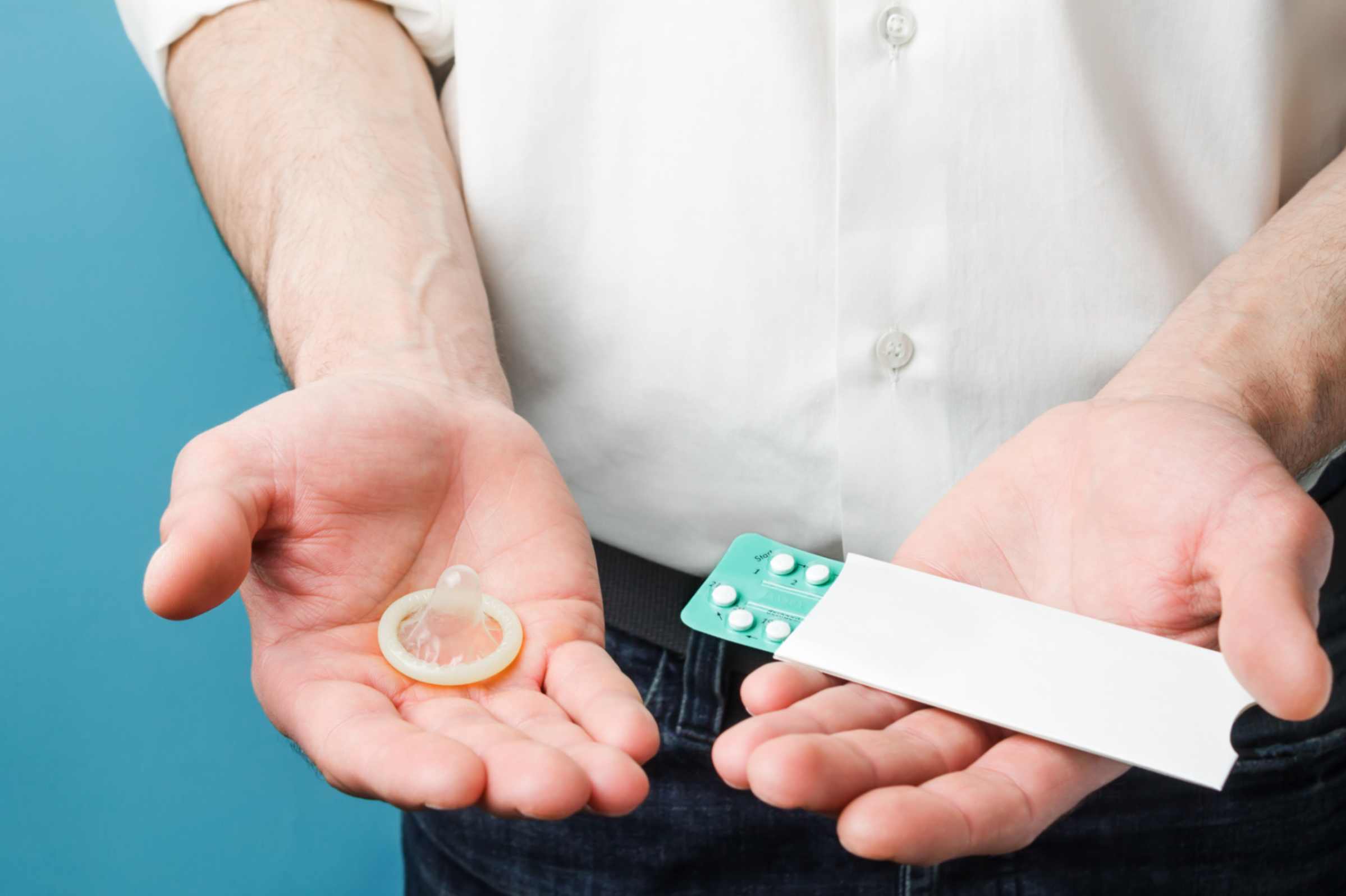
Choosing the right contraception is a personal decision guided by your health, lifestyle and priorities. It’s an urgent matter in the UK, as around one in six pregnancies is unplanned, highlighting how common unintended pregnancy remains. With so many contraception options available, understanding their strengths, risks and side effects is vital to help you make the choice that fits best.
What Are the Main Types of Contraception?
Contraception helps prevent pregnancy by either stopping sperm from reaching an egg or by preventing the release of an egg altogether. There are several types of contraception, each with its own method and effectiveness.
Hormonal contraception
This includes the contraceptive pill, the patch, vaginal ring, injection, and implant. They release hormones that prevent ovulation and thicken cervical mucus to stop sperm from reaching an egg.
Barrier methods
Condoms and diaphragms are examples. They create a physical barrier to prevent sperm from entering the womb. Condoms also protect against sexually transmitted infections, making them a safe and dual-purpose choice.
Long-acting reversible contraception (LARC)
These include the coil (IUD or IUS) and implants. They are convenient, as they work for several years without daily effort, but can be removed if you wish to become pregnant later.
Natural and permanent methods
Fertility awareness methods track ovulation, while sterilisation is a permanent procedure suitable for those certain they do not want children in the future.
What Should You Know About Implantable Contraception Side Effects?
Implantable contraception, such as the implant or hormonal coil, is one of the most reliable forms of birth control in the UK. It slowly releases hormones into your body to prevent pregnancy for up to three years.
However, like all methods, there can be side effects. Some women experience irregular bleeding, headaches, acne, or breast tenderness. Others may notice changes in mood or weight. These effects often improve with time, but if they continue, it’s best to speak with our pharmacists, who can guide you on whether another option may suit you better.
Who can use implantable contraception?
Most women can use implants or hormonal coils safely. They are particularly helpful for those who find it hard to remember daily pills or prefer long-term contraception without frequent attention.
What Are the Pros and Cons of Different Contraception Options?
Each method offers unique advantages and considerations.
Pros:
- Some methods, like the implant and coil, are over 99% effective.
- Barrier methods help protect against infections.
- Pills and patches can help regulate menstrual cycles.
Cons:
- Hormonal methods may cause temporary side effects.
- Barrier methods need to be used correctly every time.
- Permanent options are not reversible, so require careful thought.
What About Emergency Contraception Pills?
If you’ve had unprotected sex or your regular method has failed, you can use an emergency contraception pill. It works by delaying ovulation to help prevent pregnancy. The sooner you take it, the more effective it is—ideally within three to five days, depending on the type.
You can get emergency contraception from most pharmacies or sexual health clinics. Our pharmacists can advise you on which type is right for you and how to use it safely.
When Should You Review or Change Your Contraception?
It’s important to review your contraception if:
- You’re experiencing unwanted side effects.
- Your health or circumstances change.
- You’re considering pregnancy in the near future.
Regular check-ins ensure your chosen method continues to meet your needs and keeps you protected.
Taking the Next Step Towards the Right Choice
Choosing contraception is not just about preventing pregnancy—it’s about finding what works best for your health, comfort, and lifestyle. If you’re unsure which option is suitable for you, our pharmacists can help you compare methods, explain possible side effects, and support you in making an informed decision.
Book your consultation with our pharmacist today at Pharmacy To My Door and take a confident step towards safe and informed contraception choices.
FAQs
What is the most effective method among the contraception options?
Long-acting reversible contraception (LARC) methods such as the hormonal coil (IUS) or the implant tend to be over 99% effective in real-world use because they reduce user error. Daily or per-use methods like pills or condoms are more prone to lapses.
How soon can you start contraception after giving birth or while breastfeeding?
Many women can begin hormonal contraception or implantable methods a few weeks after giving birth, depending on health and whether breastfeeding. Our pharmacists can guide you on safe timing and suitable options.
Can weight or other medications affect your birth control in the UK?
Yes. Some weight-loss drugs and other treatments may interfere with hormonal contraceptives, lowering their effectiveness. In such cases combining methods (for example, barrier + hormonal) or selecting non-hormonal options may be safer.
Can you use contraception after, or between, pregnancies?
Yes. Many contraception options are safe to begin shortly after childbirth or between pregnancies. Some methods (like the implant or hormonal coil) are suitable even while breastfeeding. It is wise to consult our pharmacists about timing and the best type for your health.
Are there risks associated with implantable contraception side effects beyond bleeding changes?
Beyond changes to menstrual bleeding, some individuals may experience mood swings, acne, breast tenderness or headaches. These are generally temporary. If they persist or interfere with life, switching to another type of contraception may be advisable.
When should you consider switching your contraception method?
It may be time to switch if you plan to conceive soon, you develop new health conditions, you experience troublesome side effects, or your lifestyle changes (for example, you forget daily pills often). It’s wise to review your method periodically.