
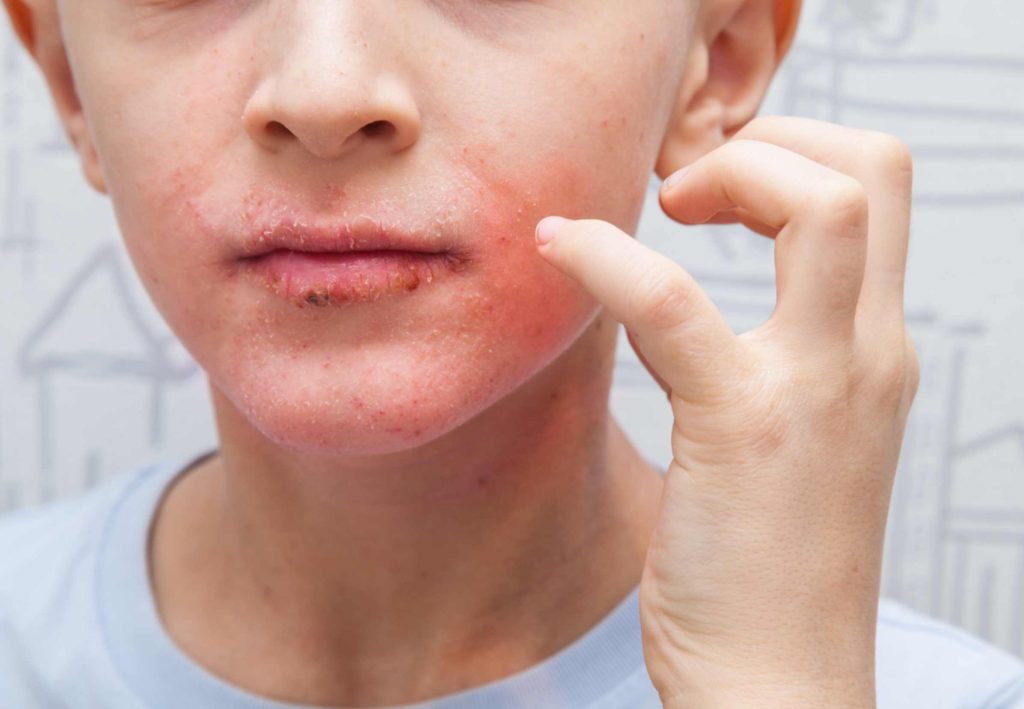
Impetigo is a common skin infection that affects both children and adults. While it may not be a serious condition, it can be highly contagious and cause discomfort. If you or someone in your family has developed impetigo, it’s important to understand its symptoms, how it spreads, and the best ways to treat and prevent it. Let’s break down everything you need to know about this infection.
What is Impetigo?
Impetigo is a bacterial skin infection that is most commonly caused by either Staphylococcus aureus or Streptococcus pyogenes bacteria. It typically appears as red sores or blisters on the skin, often around the nose and mouth, but can also affect other areas of the body. These sores quickly burst, leaving a yellowish-brown crust behind.
The infection is common in young children but can affect people of all ages. Impetigo is more prevalent in warm, humid environments where bacteria thrive, making it more common during summer months or in settings like schools or daycare centres.
Understanding the Key Impetigo Symptoms to Watch For
The symptoms of impetigo can vary but generally include:
- Red sores or blisters: These typically start as small red spots that evolve into blisters, often on the face, especially around the nose and mouth.
- Crusting or scabbing: After the blisters burst, a yellowish or honey-coloured crust forms over the area.
- Itching or pain: The sores can be itchy, causing discomfort, especially in children.
- Swollen lymph nodes: In some cases, impetigo can cause mild swelling of nearby lymph nodes as the body responds to the infection.
While impetigo is rarely serious, it can cause scarring if not treated properly, so it’s essential to address it early.
Is Impetigo Contagious?
Yes, impetigo is highly contagious. It can spread through direct skin-to-skin contact with an infected person or by touching contaminated objects such as towels, bedding, or toys. The infection can also spread from one area of your body to another through scratching or touching infected sores.
How Long Is Impetigo Contagious?
Impetigo remains contagious until the sores are completely healed, which typically takes about 7 to 10 days. If you are using impetigo treatment, such as an impetigo antibiotic cream, the infection may no longer be contagious within 24 to 48 hours of starting the treatment. It’s important to avoid close contact with others, particularly in public places like schools or gyms, until the infection is no longer contagious.
How to Treat Impetigo
The good news is that impetigo is treatable and usually clears up with proper care. Here are some common treatment options:
- Antibiotic cream: The most effective way to treat impetigo is with an antibiotic cream. This cream is applied directly to the affected areas and helps clear the infection.
- Oral antibiotics: In more severe cases, or if the infection has spread, oral antibiotics may be prescribed.
- Proper hygiene: Keeping the affected area clean and covered can prevent the infection from spreading. Gently wash the sores with soap and water before applying any treatment.
- Avoid scratching: Scratching the sores can make the infection worse and lead to further spread. Try to keep the area covered with a bandage to avoid touching the sores.
Simple Tips for Effective Impetigo Prevention
Preventing impetigo involves maintaining good hygiene and avoiding contact with infected individuals. Here are some tips to help reduce the risk of infection:
- Wash hands regularly: Frequent handwashing with soap and water is one of the best ways to prevent the spread of impetigo.
- Avoid sharing personal items: Do not share towels, razors, or other personal items with others to reduce the chance of contamination.
- Keep wounds clean: If you have cuts, scrapes, or insect bites, clean and cover them to prevent bacteria from entering and causing an infection.
- Stay away from infected people: If someone around you has impetigo, avoid close contact until they are no longer contagious.
For people looking for impetigo treatment and pharmacist advice, Pharmacy To My Door can support patients seeking care in Banbury, Bloxham, Chipping Campden, Chipping Norton, Kineton, Moreton-in-Marsh, Stratford-upon-Avon, Warwick Briales, Warwickshire and Wellesbourne, helping them understand suitable treatment and how to reduce the risk of spreading the infection.
Managing Impetigo Effectively with the Right Support
If you think you or your child may have impetigo, it’s important to seek treatment as soon as possible to prevent it from spreading. Book your consultation to talk to our pharmacist today at Pharmacy To My Door for advice on the best treatment options and how to manage the infection.


