
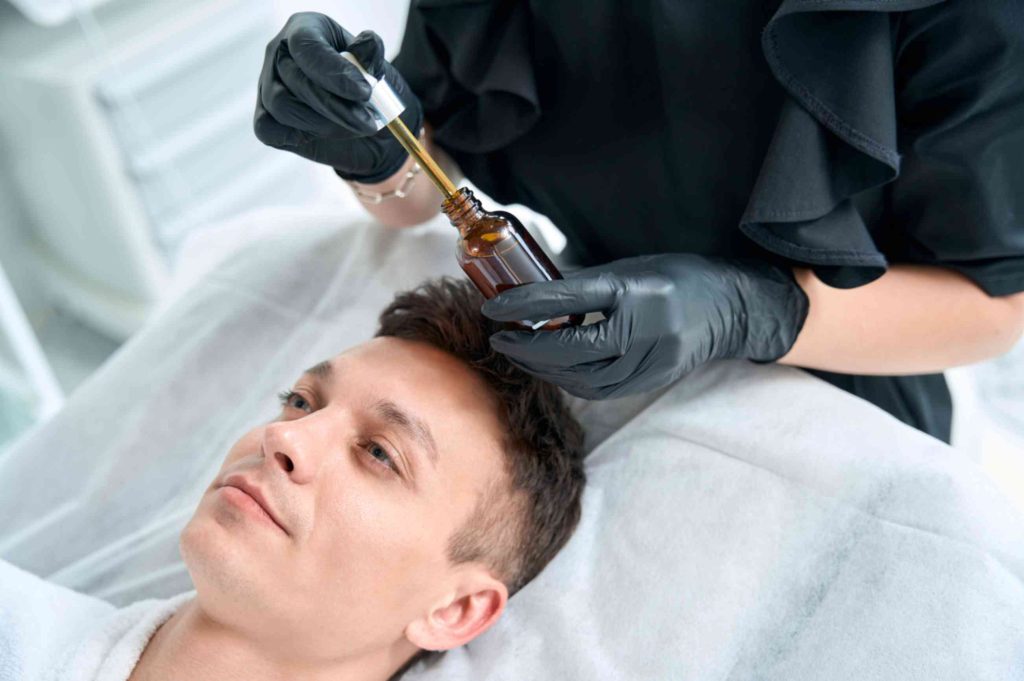
Hair loss treatment is essential for many individuals who experience this condition, as it can affect self-esteem and confidence. Fortunately, numerous effective treatments are available to manage hair loss and promote hair regrowth. Here, we will discuss some of the best treatments for hair loss, specifically focusing on hair loss in men, manual hair loss and more.
Understanding Hair Loss
Hair loss can occur for several reasons, including genetics, hormonal changes, medical conditions or simply ageing. The most common type of hair loss is androgenetic alopecia, also known as male or female pattern baldness. Other types include alopecia areata (an autoimmune disorder), telogen effluvium (temporary hair shedding) and traction alopecia (hair loss due to tight hairstyles).
Over-the-Counter and Prescription Treatments for Hair Loss
When it comes to tackling hair loss, there are several effective options available over-the-counter and through prescriptions. These treatments range from topical solutions and shampoos to oral medications, each designed to target the underlying causes of hair loss and promote hair regrowth.
Minoxidil (Rogaine)
- What is it? Minoxidil is a topical hair loss treatment that you apply directly to your scalp.
- How does it work? It helps to stimulate hair follicles, encouraging them to grow new hair.
- Who can use it? Men can use minoxidil. It is available over-the-counter in various strengths.
- Effectiveness: It can take a few months to see results and continuous use is required to maintain hair growth.
Finasteride (Propecia)
- What is it? Finasteride is an oral medication.
- How does it work? It blocks the hormone responsible for hair loss in men.
- Who can use it? It is prescribed mainly for men. Women, especially those who are or may become pregnant, should not use it.
- Effectiveness: Many men see a reduction in hair loss and some regrowth after several months of use.
Medical Procedures for Hair Loss
For those seeking more advanced solutions to hair loss, medical procedures offer effective and often long-lasting results. These treatments are typically recommended for individuals with significant hair loss who have not seen satisfactory results from over-the-counter or prescription options. Understanding these medical procedures can help you choose the best option to restore your hair and confidence.
Hair Transplant Surgery
- What is it? This is a surgical procedure where hair is moved from one part of the body (usually the back of the scalp) to the balding areas.
- How does it work? Hair follicles from areas resistant to balding are transplanted to thinning or balding areas.
- Who can use it? Both men and women with significant hair loss and enough donor hair.
- Effectiveness: This can provide permanent and natural-looking results.
Platelet-Rich Plasma (PRP) Therapy
- What is it? PRP therapy involves injecting your own platelet-rich plasma into the scalp.
- How does it work? Platelets contain growth factors that can help stimulate hair growth.
- Who can use it? Both men and women can benefit from PRP therapy.
- Effectiveness: Multiple sessions are usually required and results can vary.
Low-Level Laser Therapy (LLLT)
- What is it? LLLT involves using low-level lasers or light-emitting diodes (LEDs) to stimulate hair growth.
- How does it work? The light is thought to stimulate hair follicles and promote hair growth.
- Who can use it? Both men and women can use LLLT.
- Effectiveness: It can be effective for some people and is a non-invasive option.
Lifestyle Changes to Treat Hair Loss
Eating a balanced diet rich in vitamins and minerals is important for hair health. Foods high in vitamins A, C, D, E, zinc, iron and omega-3 fatty acids can promote hair growth and health. Stress can be a significant hair loss cause. Practices like yoga, meditation and regular exercise can help manage stress levels.
Hairstyles that pull on the hair, like tight ponytails or braids, can cause traction alopecia. Opt for looser styles to prevent this. Use mild shampoos and conditioners, avoid excessive heat styling and be gentle when brushing your hair to prevent breakage.
What are the Natural Remedies for Hair Loss?
Some essential oils, like rosemary and peppermint oil, are believed to promote hair growth. Dilute them with a carrier oil and massage them into the scalp. Aloe vera can help soothe the scalp and condition the hair. Apply aloe vera gel directly to your scalp and hair.
Onion juice is thought to promote hair growth. Blend an onion, extract the juice and apply it to your scalp. Leave it on for 15 minutes before washing it off.
Take Action Against Hair Loss Today
Hair loss is a common issue, but with the right approach, it can be managed effectively. From over-the-counter treatments to prescription medications, medical procedures, lifestyle changes and natural remedies, there are numerous options available to help you combat hair loss. Hair loss prevention can be achieved through a combination of these treatments.
If you’re one of the two-thirds of men in the UK who suffer from hair loss, don’t wait any longer to take action. Book a consultation with a Pharmacy To My Door pharmacist today to explore your treatment options.
Our experts can help you find the best solution tailored to your needs. Schedule your appointment now and start your journey to healthier hair.


