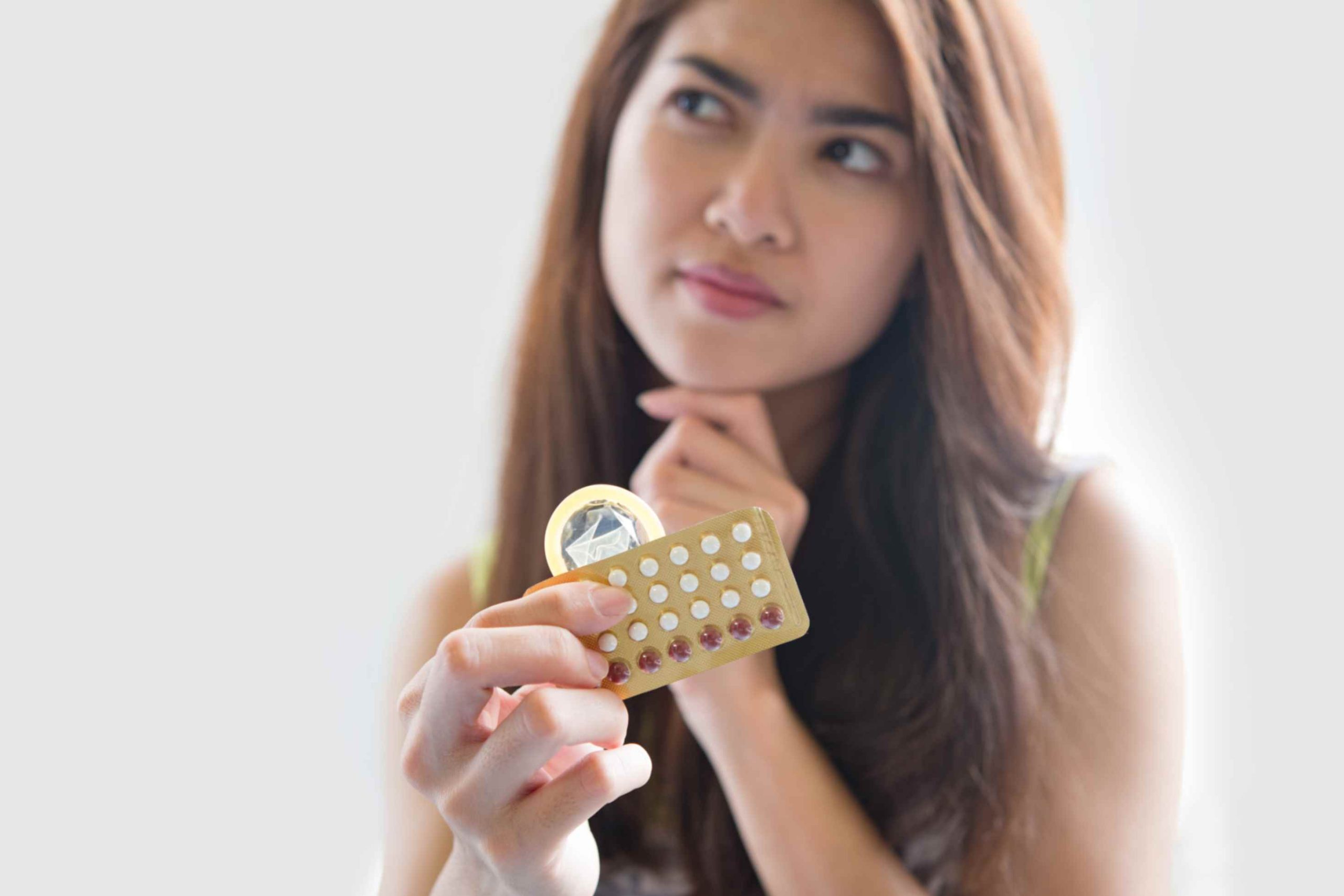
Choosing the right contraception method is important for many women and couples in the UK. With so many birth control options available, it can be confusing to decide which one suits your lifestyle, health, and future plans best. This article explains different contraception methods, highlighting their pros and cons to help you make an informed choice.
Types of Contraception
Contraception methods can be broadly divided into several types: hormonal, barrier, long-acting reversible contraception (LARC), natural methods, and permanent solutions. Each type works differently to prevent pregnancy.
Hormonal Contraception
This group includes the pill, patch, injection, implant, and hormonal intrauterine device (IUD).
Pros:
- Highly effective when used correctly.
- Can regulate periods and reduce painful cramps.
- May improve skin conditions like acne.
- Some methods last several weeks or months (like injections or implants), reducing the need to remember daily pills.
Cons:
- Can cause side effects such as mood swings, weight changes, or headaches.
- Not suitable for women with certain health conditions like blood clots.
- Does not protect against sexually transmitted infections (STIs).
- Requires prescriptions and sometimes follow-up visits.
Barrier Methods
This category includes condoms, diaphragms, and cervical caps.
Pros:
- Condoms are the only contraception method that also protects against STIs.
- No hormones involved, so fewer side effects.
- Easy to obtain and use.
- Can be used as needed, without a prescription.
Cons:
- Less effective than hormonal or long-acting methods if not used properly.
- Some people may have allergies to latex or other materials.
- Can interrupt spontaneity during sex.
- Diaphragms and caps require fitting by a healthcare professional.
Long-Acting Reversible Contraception (LARC)
LARC includes copper IUDs and hormonal IUDs as well as contraceptive implants.
Pros:
- Very effective, with over a 99% success rate.
- Long-lasting: copper IUDs can last up to 10 years, hormonal IUDs 3-5 years, and implants up to 3 years.
- Once fitted, there’s no need to think about contraception daily.
- Fertility returns quickly after removal.
Cons:
- Insertion can be uncomfortable or painful.
- Some women experience changes in bleeding patterns.
- Does not protect against STIs.
- Needs to be fitted and removed by a healthcare professional.
Natural Methods
Natural contraception methods include fertility awareness, withdrawal, and breastfeeding (lactational amenorrhoea).
Pros:
- No side effects or hormones.
- Can be used by those who prefer natural approaches.
- Cost-free.
Cons:
- Least reliable methods for preventing pregnancy.
- Requires careful tracking and discipline.
- Not suitable for everyone, especially women with irregular cycles.
- No STI protection.
Permanent Methods
These include tubal ligation for women and vasectomy for men.
Pros:
- Highly effective and permanent.
- No need for ongoing contraception.
- Suitable for those certain they do not want children in the future.
Cons:
- Usually irreversible or very difficult to reverse.
- Requires surgical procedures.
- Not suitable for younger people or those unsure about future fertility.
What is the Best Contraception for Women?
The best contraception method varies for every woman. It depends on health conditions, lifestyle, how often you have sex, and whether you want children soon or later. Speaking to a healthcare professional can help you choose the most suitable option. Many women prefer LARC methods for their ease and effectiveness, but some prefer pills or condoms for convenience and STI protection.
Get Expert Contraception Advice
Contraception is a personal choice, and knowing the pros and cons of each method can help you decide what works best for you. No single method fits everyone, so it’s important to consider your health, lifestyle, and plans before making a decision. Looking for personalised advice on the best contraception methods? Book an appointment for a consultation at your local pharmacy, and get expert guidance without leaving home. Whether you want to explore birth control options or have questions about side effects, our friendly pharmacists are here to help you make the best choice safely and confidently.