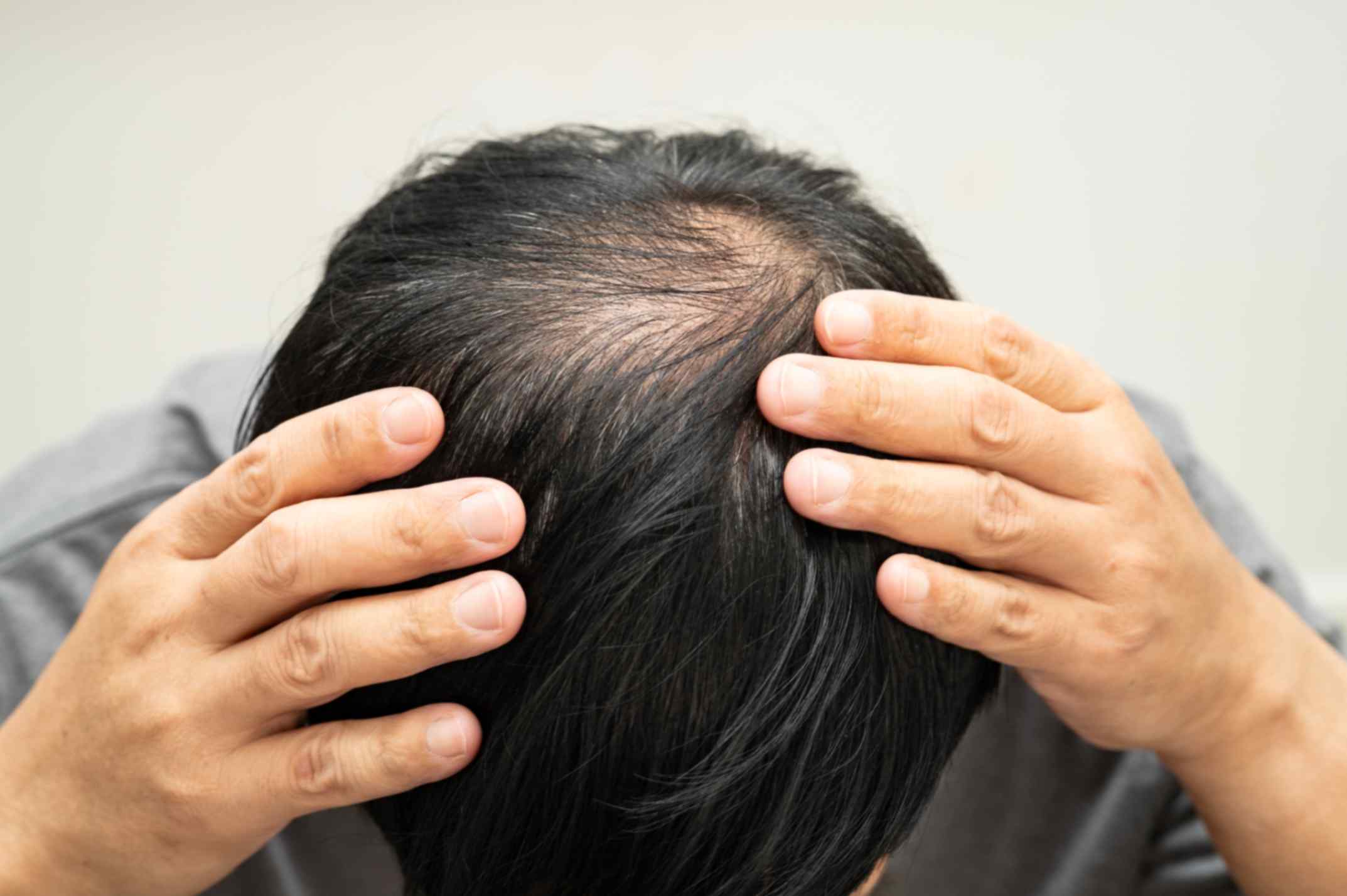
Hair loss is not a single experience. The way it develops, where it appears first, and how quickly it progresses varies significantly between men and women, even when the underlying cause is the same. Understanding those differences matters because it affects how the condition is recognised, diagnosed, and treated.
This article focuses on androgenetic alopecia, the most common form of hair loss, explaining how it presents in men and women, what drives it, and what the diagnostic process looks like. For a detailed guide to pharmacy treatment options, see our companion article: Which Pharmacy Treatments Actually Work for Hair Loss?
What Is Androgenetic Alopecia?
Androgenetic alopecia is the clinical term for pattern hair loss, the most common cause of hair thinning in both men and women. It is driven by a combination of genetic predisposition and the effects of androgens, a group of hormones that includes testosterone and its more potent derivative, dihydrotestosterone (DHT).
In susceptible individuals, DHT binds to receptors in hair follicles on the scalp, causing them to miniaturise over time. Each successive hair growth cycle produces a thinner, shorter hair, until eventually the follicle stops producing visible hair altogether. The process is gradual and progressive but follows recognisable patterns that differ between sexes.
Male Pattern Hair Loss: How It Presents
Male pattern hair loss, which affects a significant proportion of men by middle age, follows a well-established progression. It typically begins with a receding hairline at the temples, followed by thinning at the crown. Over time, these two areas of loss may merge, eventually leaving only a horseshoe-shaped band of hair around the sides and back of the head.
This pattern is so consistent that it has its own grading system, the Norwood-Hamilton scale, which runs from Grade I (minimal recession) through to Grade VII (extensive loss). Most men progress gradually through these grades over many years, though the rate of progression varies considerably between individuals.
Male pattern hair loss can begin as early as the late teens or twenties in men with a strong genetic predisposition, though it is more commonly noticed in the thirties and beyond. The earlier it starts, the more extensive the eventual loss tends to be without treatment.
Female Pattern Hair Loss: How It Presents Differently
Female pattern hair loss follows a different and often less clearly defined pattern than in men. Rather than a receding hairline or bald patches, women typically experience a diffuse thinning across the crown and top of the scalp, with the frontal hairline usually preserved. The hair part often appears to widen, and the scalp may become more visible under normal lighting.
This pattern is described using the Ludwig scale, which runs from Grade I (mild thinning at the crown) through to Grade III (significant thinning with visible scalp). Complete baldness, as seen in the most advanced stages of male pattern loss, is uncommon in women with androgenetic alopecia.
Female pattern hair loss can begin at any age but is more common after menopause, when the protective effect of oestrogen on hair follicles diminishes. It can also occur during and after pregnancy, though pregnancy-related shedding is usually a separate, temporary process rather than true androgenetic alopecia.
Key Differences at a Glance
The table below summarises the principal differences between male and female pattern hair loss:
| Male pattern hair loss | Female pattern hair loss | |
| Pattern | Receding temples, crown thinning, potential baldness | Diffuse thinning at crown; hairline usually preserved |
| Grading scale | Norwood-Hamilton (I to VII) | Ludwig (I to III) |
| Age of onset | Can begin in late teens; increasingly common from 30s | More common after menopause; can occur at any age |
| Complete baldness | Common in advanced cases | Uncommon |
| Main hormone driver | DHT acting on susceptible follicles | DHT and hormonal fluctuations; complex interaction |
| Investigation needed? | Usually diagnosed clinically | More often warrants blood tests to rule out other causes |
| First-line treatment | Minoxidil (OTC); finasteride (prescription, men only) | Minoxidil (OTC); no licensed oral equivalent for women |
Why Diagnosis Matters More in Women
In men, a typical pattern of hair loss in the context of a family history is usually enough for a clinical diagnosis of androgenetic alopecia. Extensive investigation is not always necessary unless the pattern is atypical or symptoms suggest another cause.
In women, the picture is more complex. Diffuse hair thinning can be caused by a range of conditions beyond androgenetic alopecia, including:
- Iron deficiency anaemia, one of the most common reversible causes of hair thinning in women.
- Thyroid disorders, both underactive and overactive thyroid, can affect hair growth.
- Polycystic ovary syndrome (PCOS), which is associated with elevated androgens.
- Telogen effluvium, a temporary form of diffuse shedding triggered by physical or emotional stress, illness, surgery, or hormonal change.
- Nutritional deficiencies, including low ferritin, vitamin D, or zinc.
- Autoimmune conditions such as alopecia areata, which can sometimes mimic diffuse thinning in early stages.
Because these causes are both common and treatable, a GP assessment with blood tests is strongly recommended for women experiencing noticeable hair thinning before starting any treatment. Treating androgenetic alopecia without ruling out a reversible cause first means potentially missing something that would respond well to a straightforward intervention.
When Should You See a GP?
You should speak to a GP about hair loss if:
- Hair loss has started suddenly or is progressing rapidly
- Hair loss is patchy rather than diffuse or following a classic pattern
- You are a woman experiencing noticeable thinning, regardless of age
- Hair loss is accompanied by other symptoms such as fatigue, weight changes, skin changes, or irregular periods
- You have tried over-the-counter treatments without improvement after several months of consistent use
- Hair loss is causing significant distress or affecting your quality of life
For men with a typical pattern of hair loss and no concerning symptoms, a pharmacy consultation about evidence-based treatment options is a reasonable starting point before seeking a GP appointment.
How Pharmacy To My Door Can Help
If you have been prescribed medication for hair loss through your GP or a registered prescribing service, Pharmacy To My Door can manage your prescription and deliver it directly to your home. Our GPhC-registered pharmacy team is here to answer questions about your medication and ensure your treatment is handled consistently and on time.
We deliver NHS and private prescriptions free across the UK. For further detail on the specific treatments available for pattern hair loss, see our related article: Which Pharmacy Treatments Actually Work for Hair Loss?
Managing a prescription for hair loss or another long-term condition? Book an appointment with Pharmacy To My Door today and let us handle the dispensing and delivery.
Frequently Asked Questions (FAQ’s)
Is pattern hair loss hereditary?
Yes, strongly so. It has a significant genetic component and tends to run in families, though the inheritance is complex. A family history on either side increases your risk.
Can female pattern hair loss be reversed?
Androgenetic alopecia cannot be reversed, but treatment can slow further loss. Treating any reversible cause, such as iron deficiency, can produce meaningful improvement.
Does stress cause pattern hair loss?
Stress does not cause androgenetic alopecia directly but can trigger temporary shedding called telogen effluvium. A GP can help distinguish between the two.
At what age does female pattern hair loss typically start?
It can begin after puberty but becomes more common around menopause. Some women notice gradual thinning from their thirties or forties, earlier with PCOS or family history.
Is there a treatment for female pattern hair loss equivalent to finasteride in men?
No direct equivalent exists. Minoxidil is the most evidence-based OTC option for women. Other hormonal treatments require specialist assessment and are off-label.