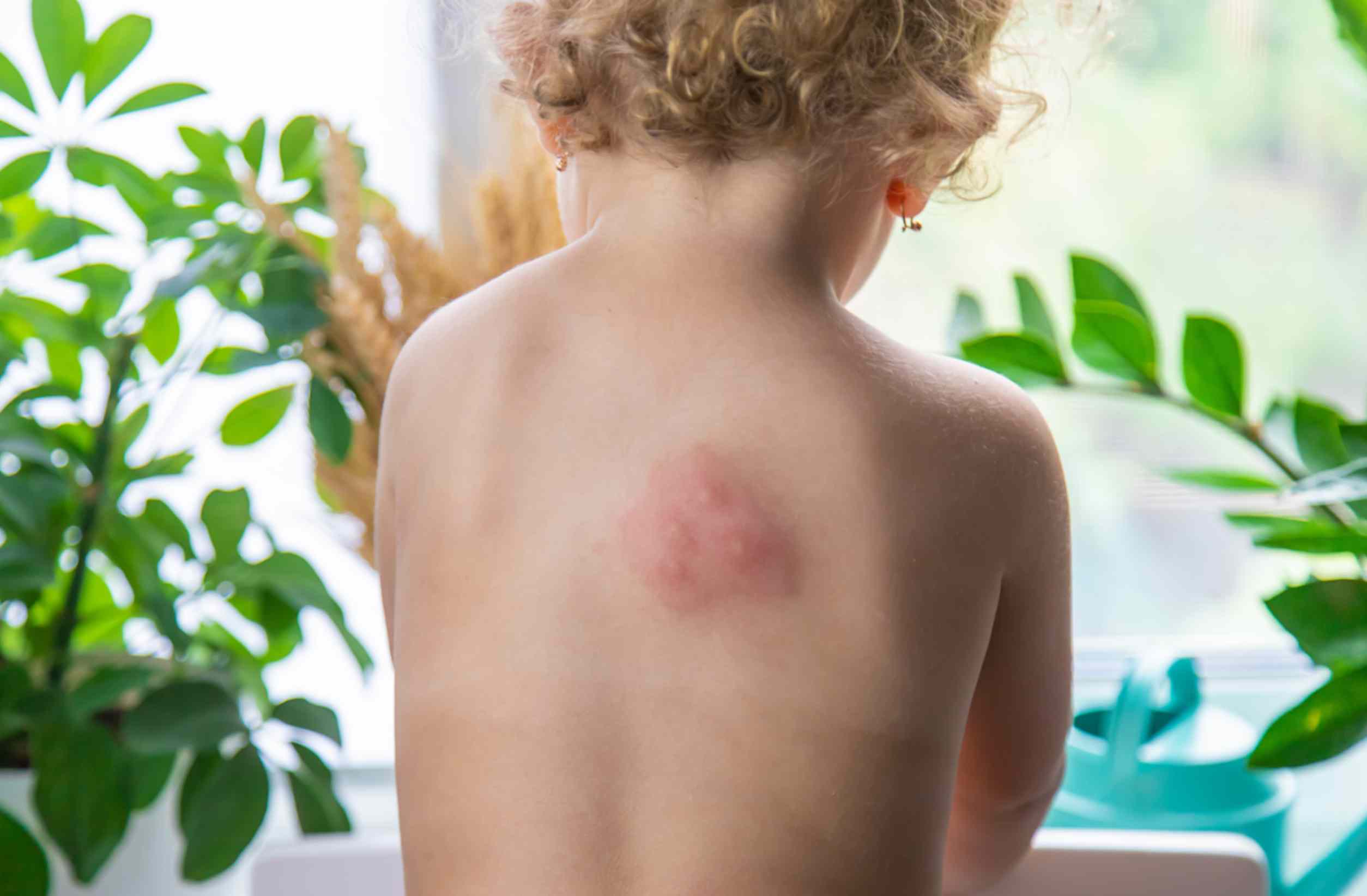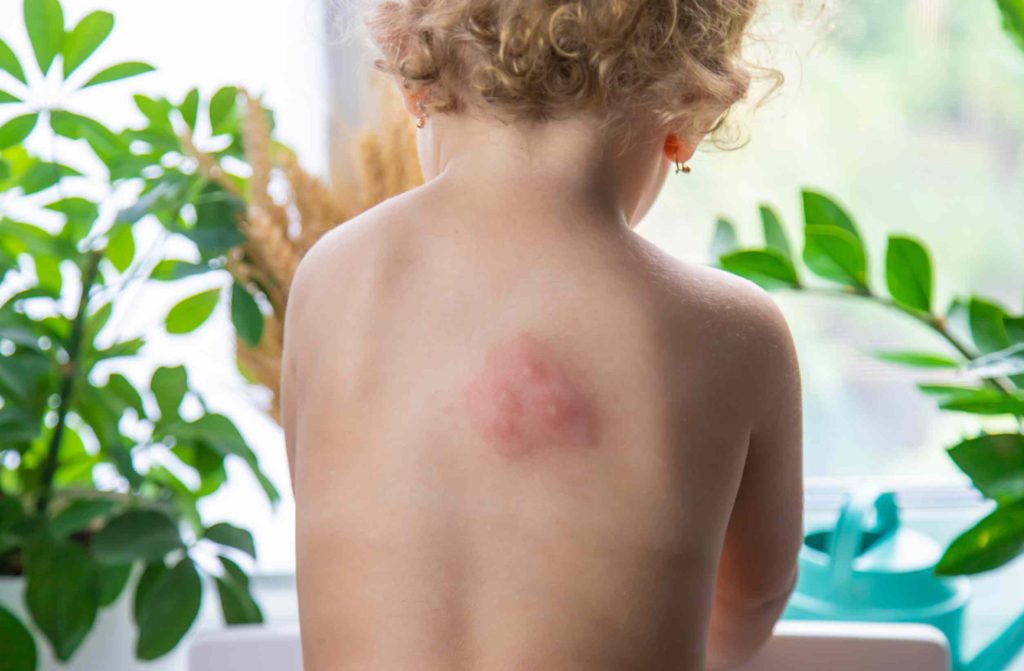
A mild infected insect bite that is treated promptly will usually clear up within five to seven days. More significant infections, or those where treatment was delayed, can take two weeks or longer. The exact timeline depends on how quickly the infection was caught, what treatment was used, and how well the skin heals in the affected area.
Knowing what to expect at each stage helps you judge whether your bite is healing normally or whether something needs attention.
The Typical Healing Timeline for an Infected Insect Bite
Most infected bites follow a broadly predictable recovery pattern once treatment has begun. The table below gives a general guide:
| Stage | Approximate timing | What to expect |
| Onset of infection | 24 to 48 hours after bite | Redness spreading beyond the bite, increasing warmth, swelling, pain or tenderness |
| Early treatment | Days 1 to 3 with antibiotics if prescribed | Redness should begin to reduce; swelling starts to settle; pain eases |
| Active healing | Days 3 to 7 | Skin visibly improving; redness contained; any pus draining or drying |
| Resolution | Days 7 to 14 for mild infections | Skin returning to normal; residual discolouration may linger |
| Fully healed | Up to 4 weeks for more significant infections | Skin healed; possible temporary mark or pigmentation change |
These timings assume treatment has been started appropriately. Without treatment, a bacterial skin infection does not resolve on its own and will typically worsen.
What Slows Healing?
Several factors can extend the healing time for an infected insect bite. Being aware of them helps you avoid inadvertently making the situation worse.
- Scratching the bite, which re-opens the skin, introduces more bacteria, and disrupts the healing process
- Not completing a full course of antibiotics, which can allow the infection to return or become harder to treat
- Poor wound hygiene, such as touching the bite with unwashed hands or not keeping it clean and dry
- A weakened immune system due to illness, diabetes, or certain medications, which slows the body’s ability to fight infection
- Bites on the lower legs, where circulation is slower, and skin heals less readily than on other parts of the body
- Secondary trauma to the bite from tight clothing, footwear, or repeated pressure
What Does Normal Healing Look Like?
As an infected bite improves, you should notice the redness becoming less vivid and stopping its outward spread. Swelling reduces, the area becomes less warm to the touch, and any pain or tenderness settles. If there was pus present, this should dry and crust over rather than continuing to discharge.
Some residual discolouration or a darkened mark at the bite site is common after healing and is not a cause for concern. In people with darker skin tones, post-inflammatory hyperpigmentation, a temporary darkening of the skin after inflammation, can take several weeks to fade. This is a normal response and does not indicate ongoing infection.
When Is a Bite Not Healing Normally?
A bite that is not following the expected recovery pattern needs reassessment. Contact a pharmacist or GP if:
- Redness is still spreading after 48 hours of antibiotic treatment
- Pain is getting worse rather than improving
- New pus, blistering, or open sores appear after treatment has started
- You develop a temperature or feel generally unwell during the healing period
- The bite site shows no improvement after completing a full course of antibiotics
- The wound appears to be reopening or not closing at all after two weeks
A bite that simply will not heal despite appropriate treatment may require a different antibiotic, a wound swab to identify the bacteria involved, or assessment for an underlying factor that is affecting recovery.
How to Support Healing at Home
Once treatment is underway, the following measures support recovery and reduce the risk of complications:
- Keep the area clean by washing gently with soap and water once or twice a day
- Pat dry carefully rather than rubbing, which can irritate healing skin
- Cover the bite loosely with a clean dressing to protect it from contamination and friction
- Avoid scratching; if itching is severe, an antihistamine tablet can help
- Elevate the affected limb where practical, particularly for bites on the lower leg, to reduce swelling
- Complete the full course of any prescribed antibiotics even if the bite appears to have improved
Can a Pharmacist Help with an Infected Insect Bite?
Yes. Under the NHS Pharmacy First service, a pharmacist can assess patients aged one and over for an infected insect bite, and supply treatment where clinically appropriate, without a GP appointment. This is a practical first step if you are unsure whether your bite needs treatment or if you want a prompt assessment without waiting for a GP slot.
Pharmacy To My Door provides the Pharmacy First infected insect bite service. If you would like an assessment or to find out whether your bite needs treatment, you can book directly through our Pharmacy First service.
Concerned about an insect bite that is not healing as expected? Book a Pharmacy First appointment with Pharmacy To My Door today and get a same-day clinical assessment without a GP referral.
Frequently Asked Questions (FAQ’s)
How long does an infected insect bite take to heal with antibiotics?
With antibiotics, most mild infected bites begin improving within 48 to 72 hours and resolve fully within five to seven days. Complete the full course even if improvement is visible sooner.
What does a healing infected bug bite look like?
Redness becomes less vivid and stops spreading, swelling reduces, the area cools, and any discharge dries and crusts over. A residual mark or discolouration is normal and temporary.
Why is my bug bite not healing?
Common reasons include scratching, not completing antibiotics, poor wound hygiene, or a weakened immune system. If a bite shows no improvement after a full antibiotic course, seek further assessment.
Should I cover an infected insect bite?
Yes. Keeping it loosely covered with a clean dressing protects it from further contamination, reduces friction, and supports healing. Change the dressing regularly and keep the area clean and dry.
When should I go to A&E for an insect bite?
Go to A&E or call 999 if you develop difficulty breathing, throat swelling, or a sudden widespread rash, which may indicate anaphylaxis. For a spreading infection with fever, contact your GP or NHS 111 the same day.