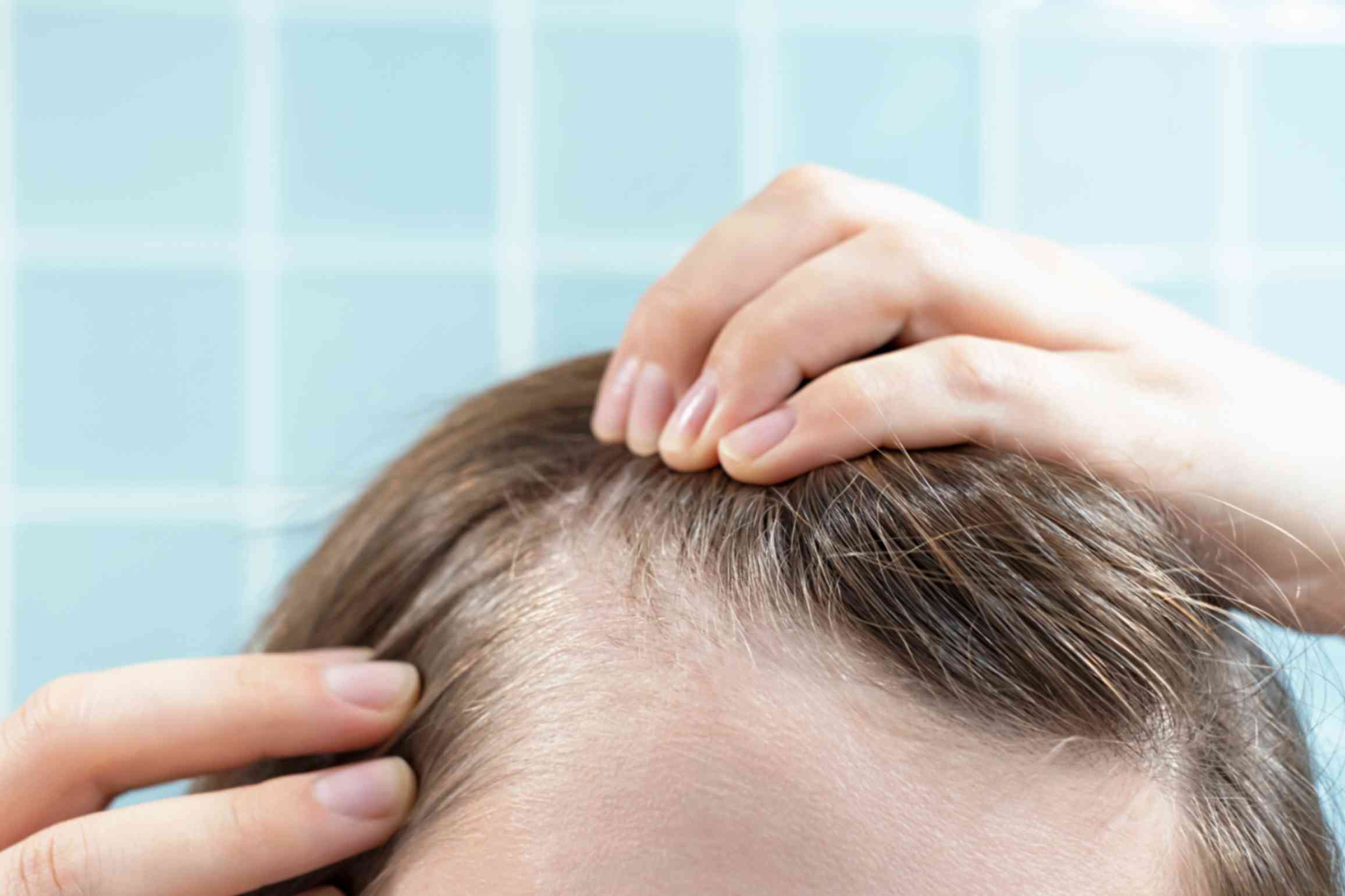
Hair loss is more likely to be genetic when it develops gradually in a recognisable pattern, such as a receding hairline or thinning crown in men, or a widening parting in women. A family history of similar hair loss can also be a useful clue. This type of hair loss is known as androgenetic alopecia and is the most common cause of hair loss in the UK.
In this blog, we will know how to spot the signs, understand what causes it, and find out what you can actually do about it.
What Is Genetic Hair Loss?
Genetic hair loss, medically known as androgenetic alopecia, is a hereditary condition in which hair follicles gradually become smaller over time. It is commonly called male pattern baldness in men and female pattern hair loss in women, and it affects millions of adults across the UK.
Unlike temporary shedding linked to stress or illness, genetic hair loss is progressive and does not usually grow back on its own without treatment. According to the NHS, male and female pattern baldness usually runs in families.
What Causes Genetic Hair Loss?
Genetic hair loss develops through a combination of inherited genes and sensitivity to hormones, particularly dihydrotestosterone (DHT). Over time, this sensitivity causes affected hair follicles to shrink. The hairs they produce become finer and shorter until the follicles may eventually stop producing visible hair.
The Role of DHT and the Androgen Receptor Gene
DHT binds to receptors within hair follicles on the scalp, shortening the hair growth cycle. Research published by the American Society of Human Genetics identifies variation in the androgen receptor gene as a major driver of early-onset hair loss, with follicles becoming progressively finer until they miniaturise completely.
Why It Often Comes From Your Mother’s Side
Interestingly, the main androgen receptor gene sits on the X chromosome, which sons inherit from their mother. That said, dermatologists agree the condition is polygenic, meaning several genes from both parents play a part, so a full head of hair on your father’s side offers no guarantee.
How Do You Know If Your Hair Loss Is Genetic? (Key Signs)
Genetic hair loss usually follows a slow and predictable pattern rather than causing sudden or patchy shedding. NICE Clinical Knowledge Summaries note that diagnosis is generally based on your medical history, family history and the pattern of hair loss rather than blood tests.
Signs in Men
Common signs include:
- A receding hairline at the temples
- Thinning at the crown (vertex)
- Gradual progression over years, not weeks
- Close male relatives with similar hair loss
Signs in Women
In women, genetic hair loss tends to affect the top of the scalp rather than causing a noticeably receding hairline. Signs can include:
- Widening of the centre parting
- Overall thinning on the top of the scalp, rather than a receded hairline
- Hair becoming visibly finer in texture
- Usually appearing later in life, often after 50, per the British Association of Dermatologists
Genetic Hair Loss vs Other Causes
Genetic hair loss looks and behaves differently from temporary or medical causes, which is why an accurate comparison matters before starting treatment.
| Feature | Genetic Hair Loss | Telogen Effluvium | Alopecia Areata |
| Pattern | Defined (crown, hairline, parting) | Diffuse, all-over shedding | Round, patchy bald spots |
| Onset | Gradual, over years | Sudden, 2–3 months after trigger | Sudden |
| Family history | Common | Not typical | Sometimes |
| Usually reversible | No, without treatment | Yes, once trigger resolves | Variable |
What Can You Do About Genetic Hair Loss?
While genetic hair loss cannot be cured, its progression can often be slowed and, in some cases, partially reversed with early, consistent treatment. The NHS confirms that finasteride and topical minoxidil are the main evidence-based treatments for male pattern baldness, though they are not routinely available on the NHS.
- Topical minoxidil: Applied directly to the scalp to support existing follicles.
- Oral finasteride: Prescription-only, reduces DHT production (men only).
- Early consultation: Starting treatment sooner generally gives better results.
Take the Next Step With Pharmacy To My Door
If you have started noticing a receding hairline, thinning crown or widening parting, our specialist pharmacist can help you understand whether it may be genetic and talk you through suitable treatment options. Book an Appointment with Pharmacy To My Door to arrange your initial consultation, and a specialist pharmacist will discuss your concerns and next steps.
Frequently Asked Questions
Is genetic hair loss the same as male pattern baldness?
Yes. Male pattern baldness is simply the common name for androgenetic alopecia in men, while the same hereditary process in women is called female pattern hair loss.
Can genetic hair loss skip a generation?
Yes. Because the condition is polygenic and involves genes from both parents, hair loss can appear unevenly across a family, even skipping generations entirely.
At what age does genetic hair loss usually start?
In men, it can begin as early as the late teens or twenties, with the NHS noting most men show some hair loss by their sixties. In women, it typically starts later, often around or after menopause.
Can genetic hair loss be stopped completely?
There is currently no cure, but treatments such as minoxidil and finasteride can slow progression and, in some cases, encourage regrowth, particularly when started early.
Does genetic hair loss affect women as much as men?
It is less common and usually less severe in women, presenting as diffuse thinning rather than baldness, but it still affects a significant proportion of women, especially after 50.
Should I see a pharmacist or a GP about hair loss?
A pharmacist can assess common pattern hair loss and advise on licensed treatments; your GP should be consulted if hair loss is sudden, patchy, or accompanied by other symptoms.