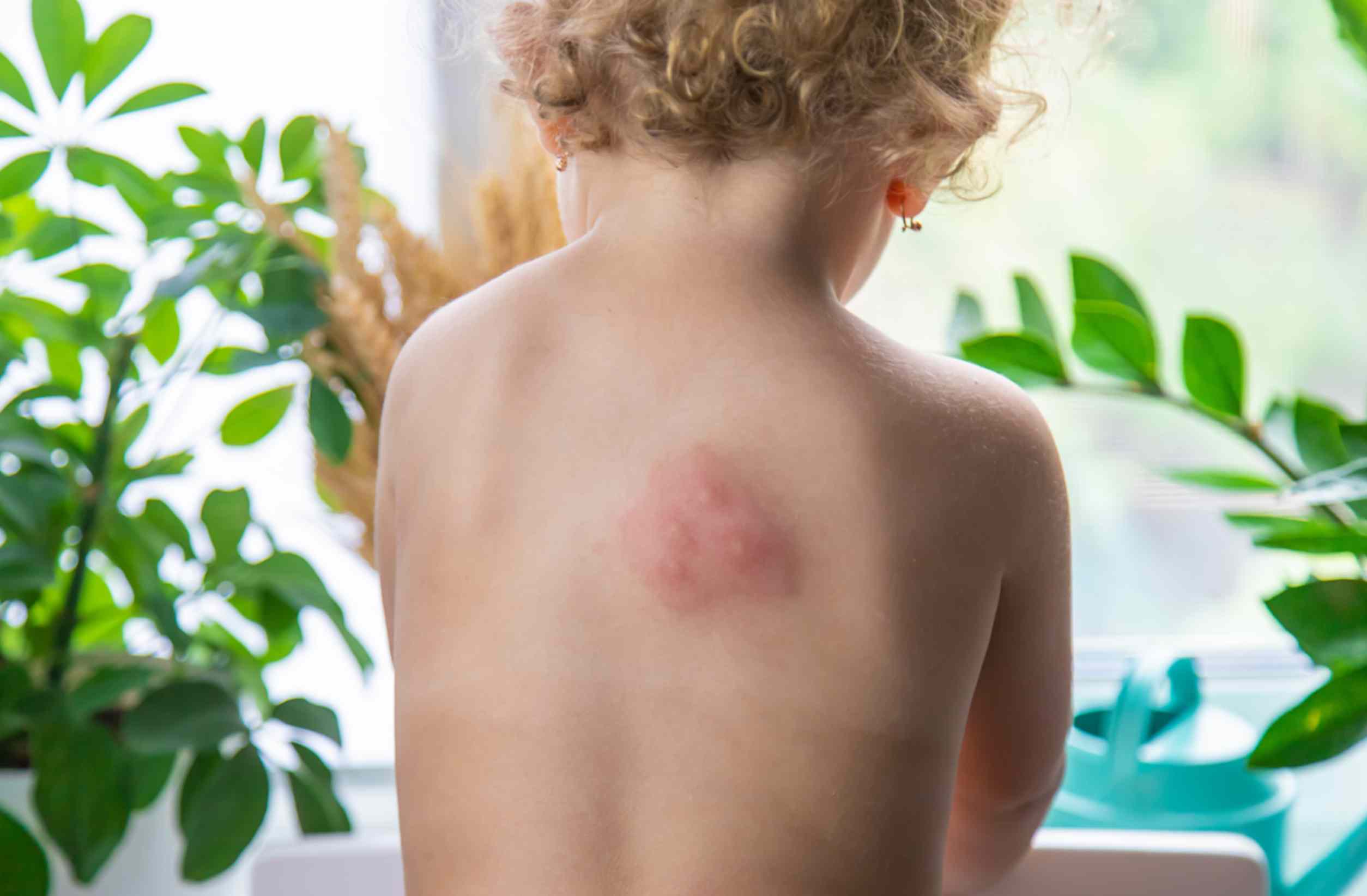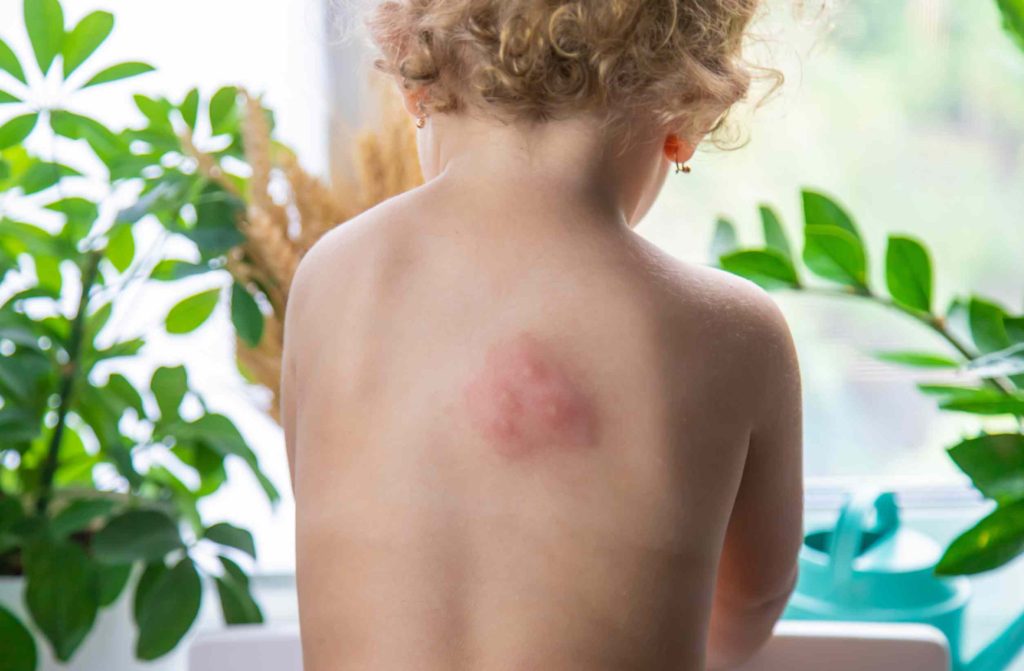
Yes, scratching an insect bite can cause infection, as it breaks the skin’s surface and allows bacteria from your skin or fingernails to enter the wound. Most insect bites heal on their own within a few days, but scratching significantly raises the risk of complications.
Here, we look at why insect bites itch, how scratching can lead to infection, and what you can do to treat a bite without making it worse.
Why Do Insect Bites Itch So Much?
Insect bites itch because the body reacts to proteins in insect saliva by releasing histamine. This causes inflammation and irritates the nerve endings in the skin, leading to itching, redness and swelling. It is a normal immune response and does not necessarily mean the bite is infected.
How Does Scratching Cause an Insect Bite to Become Infected?
Scratching an insect bite can create tiny breaks in the skin, giving bacteria that normally live on the skin, such as Staphylococcus aureus, a way into the wound. The NHS advises against scratching insect bites because this can increase the risk of infection.
Scratching also worsens the itch itself by increasing inflammation, so the more you scratch, the more the area tends to itch, making an infection more likely the longer this cycle continues.
What Are the Signs of an Infected Insect Bite?
An infected insect bite usually looks different from the original bite and tends to develop from around 48 hours after the initial bite.
Symptoms to Look Out For
Here are the main signs to look out for if you think an insect bite may be infected:
- Redness spreading beyond the original bite
- Increasing pain, tenderness or swelling
- Skin that feels hot to touch
- Pus or fluid leaking from the site
When It’s a Medical Emergency
Seek urgent medical help if you notice a red line tracking from the bite, a fever, or feel generally unwell, as these may indicate a spreading infection. Call 999 if you or your child show signs of sepsis, such as fast breathing, mottled skin or severe drowsiness.
How Can You Treat an Insect Bite Without Scratching It?
Keeping the area clean and using a cold compress can help ease irritation and swelling. An antihistamine can help relieve itching, while hydrocortisone cream may reduce itching and swelling when suitable. If the bite or sting is painful, you can take a painkiller such as paracetamol or ibuprofen, if suitable for you.
Try to avoid scratching, even when the bite feels particularly itchy. Keeping your fingernails short can also reduce the chance of breaking the skin if you do scratch.
How Are Infected Insect Bites Treated?
If a bite does become infected, the NHS Pharmacy First service can assess and treat infected insect bites in adults and children aged one year and over, prescribing antibiotics if needed, without a GP appointment.
Think Your Insect Bite May Be Infected?
If your insect bite is becoming more painful, swollen, hot or is producing pus, it may need treatment. Our pharmacists can assess your symptoms and advise whether further treatment is needed through Pharmacy First. Book an appointment to learn more about our consultation process and how to get the right support.
Frequently Asked Questions
Can scratching an insect bite really cause an infection?
Yes, scratching breaks the skin’s surface, allowing bacteria that normally live harmlessly on the skin to enter the wound and cause a secondary infection.
Why do insect bites itch in the first place?
Bites itch because the body releases histamine in reaction to proteins in insect saliva, which is a normal immune response rather than a sign of infection.
What does an infected insect bite look like?
Look for redness spreading beyond the original bite, increasing pain or swelling, heat around the area, or pus or fluid leaking from the site.
How can I stop an insect bite itching without scratching it?
A cold compress, an antihistamine, or a cooling gel or mild hydrocortisone cream can all ease itching without breaking the skin.
Can a pharmacist treat an infected insect bite?
Yes, under the NHS Pharmacy First service, pharmacists can assess and treat infected insect bites in adults and children aged one year and over, prescribing antibiotics if appropriate.
When should I see a GP about an insect bite?
See a GP if symptoms are severe, spreading rapidly, or don’t improve within a few days, and seek urgent care for signs of a severe allergic reaction or sepsis.