
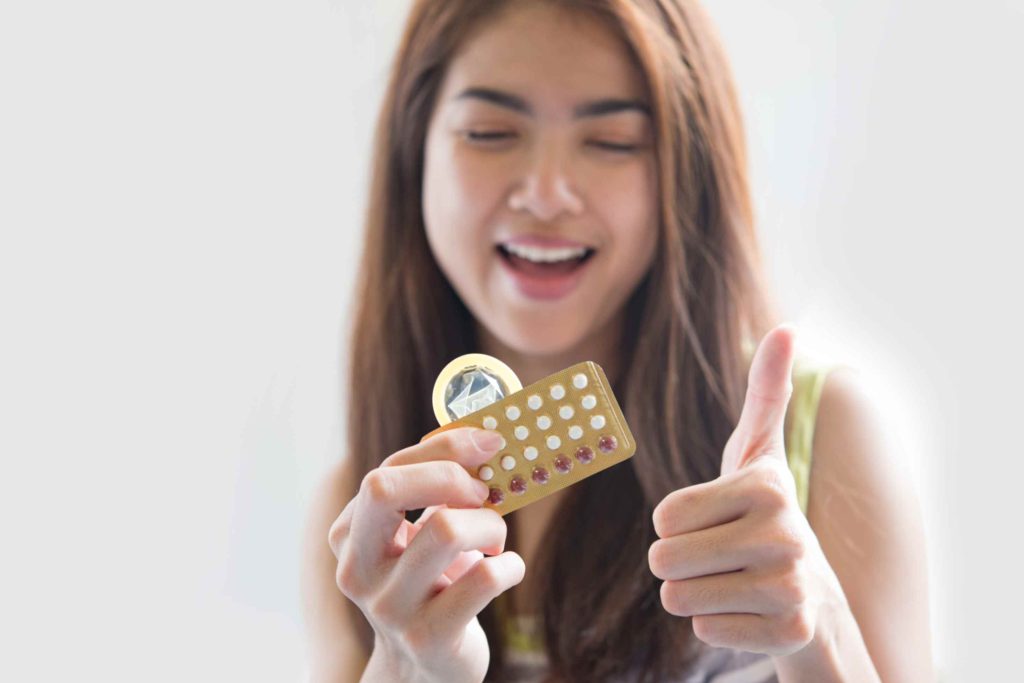
Contraception or birth control, refers to methods used to prevent pregnancy. Choosing the right method can be challenging, as each comes with its own set of advantages and disadvantages. Here’s a guide to help you understand the pros and cons of various contraception methods.
Condoms
Condoms are thin sheaths worn over the penis or inside the vagina during sex to prevent sperm from reaching the egg. They also offer protection against sexually transmitted infections (STIs).
Pros:
- Protection Against STIs: Condoms are one of the few contraception methods that protect against sexually transmitted infections (STIs).
- Accessibility: They are widely available without a prescription and are relatively inexpensive.
- No Hormonal Side Effects: Unlike hormonal methods, condoms do not cause side effects like mood changes or weight gain.
Cons:
- Effectiveness: Condoms are about 85% effective with typical use, meaning there’s a 15% chance of pregnancy.
- Possible Allergies: Some people are allergic to latex, though alternatives like polyurethane or lambskin are available.
- Interruption: They need to be used correctly every time, which can interrupt the moment.
Birth Control Pills
Birth control pills are daily oral contraceptives containing hormones that prevent ovulation. They regulate menstrual cycles and reduce the risk of certain cancers but require strict daily adherence.
Pros:
- High Effectiveness: When taken correctly, birth control pills are over 99% effective.
- Regulated Menstrual Cycles: Many people experience more regular and lighter periods.
- Reduced Risk of Certain Cancers: Long-term use can lower the risk of ovarian and endometrial cancers.
Cons:
- Daily Commitment: Pills must be taken at the same time every day, which can be challenging for some.
- Side Effects: Some people experience nausea, weight gain, mood changes or increased risk of blood clots.
- No STI Protection: Birth control pills do not protect against sexually transmitted infections.
Intrauterine Devices (IUDs)
IUDs are small, T-shaped devices inserted into the uterus to prevent pregnancy. They can be hormonal or non-hormonal (copper) and are highly effective for 3-10 years.
Pros:
- Long-Lasting: IUDs can last between 3 to 10 years depending on the type.
- Low Maintenance: Once inserted, they require little attention.
- Highly Effective: IUDs are more than 99% effective in preventing pregnancy.
Cons:
- Initial Discomfort: Insertion can be painful for some and there might be cramping or spotting afterwards.
- Expulsion Risk: There’s a small chance the IUD can be expelled from the uterus.
- No STI Protection: IUDs do not offer protection against sexually transmitted infections.
Implants
Implants are small rods inserted under the skin of the arm, releasing hormones to prevent ovulation. They are highly effective for up to three years and require a minor surgical procedure for insertion and removal.
Pros:
- Long-Lasting: Implants can prevent pregnancy for up to 3 years.
- Highly Effective: They are over 99% effective.
- Low Maintenance: Once inserted, there’s nothing to remember daily.
Cons:
- Insertion and Removal: Requires a minor surgical procedure for both insertion and removal.
- Side Effects: Some experience irregular bleeding, weight gain or mood swings.
- No STI Protection: Implants do not protect against STIs.
Injectable Contraceptives
Injectable contraceptives are hormone shots given every three months to prevent ovulation. They are effective and convenient but require regular healthcare visits and can have side effects like weight gain and mood changes.
Pros:
- Effective: Injections are about 94% effective with typical use.
- Long-Lasting: One shot lasts for three months.
- Convenient: Requires only quarterly consultation with our experts.
Cons:
- Side Effects: Can cause weight gain, mood changes and decreased bone density with long-term use.
- Regular Appointments: Missing a scheduled injection can reduce effectiveness.
- No STI Protection: Injections do not protect against sexually transmitted infections.
Emergency Contraception
Emergency contraception is used after unprotected sex or contraceptive failure to prevent pregnancy. It is most effective within 72 hours and comes in pill form or as a copper IUD.
Pros:
- Back-Up Option: Provides a second chance to prevent pregnancy after unprotected sex or contraceptive failure.
- Accessibility: Some emergency contraceptives are available over-the-counter.
Cons:
- Timing Sensitive: Most effective when taken within 72 hours after unprotected sex.
- Not a Regular Method: Should not be used as a primary contraception method.
- Side Effects: Can cause nausea, fatigue and changes in the menstrual cycle.
Natural Methods
Natural methods involve tracking fertility signals, such as body temperature and cervical mucus, to avoid sex during fertile periods. They require discipline and knowledge of the menstrual cycle but have no medical side effects.
Pros:
- No Side Effects: Natural methods involve tracking fertility signals and abstaining from sex during fertile periods, so there are no medical side effects.
- No Cost: Requires no financial investment.
Cons:
- Lower Effectiveness: With typical use, these methods are about 76% effective.
- Requires Discipline: Demands regular monitoring of fertility signs and strict adherence to guidelines.
- No STI Protection: Natural methods do not protect against sexually transmitted infections.
Sterilisation
Sterilisation is a permanent surgical procedure to prevent pregnancy. In women, it’s tubal ligation (tying fallopian tubes); in men, it’s a vasectomy (severing vas deferens). It’s highly effective but generally irreversible.
Pros:
- Permanent: Offers a long-term solution to prevent pregnancy.
- Highly Effective: Sterilisation procedures like tubal ligation or vasectomy are over 99% effective.
Cons:
- Irreversible: Generally permanent, so it’s not suitable for those who may want children in the future.
- Surgical Risks: Involves surgical procedures with associated risks and recovery time.
- No STI Protection: Sterilisation does not protect against sexually transmitted infections.
Book Your Contraception Consultation with Pharmacy To My Door
Choosing the right contraception method depends on various factors, including lifestyle, health and family planning goals. It’s essential to weigh the pros and cons of each method to make an informed decision.
Not sure which contraception method is right for you? Book a consultation with Pharmacy To My Door today. Our expert pharmacists will guide you through the options, helping you choose the best method for your lifestyle and health needs.
Whether you need advice on birth control pills, IUDs, implants or any other contraception, we’re here to help. Get personalised, confidential advice and take control of your reproductive health. Schedule your appointment now and make an informed decision with confidence.


