
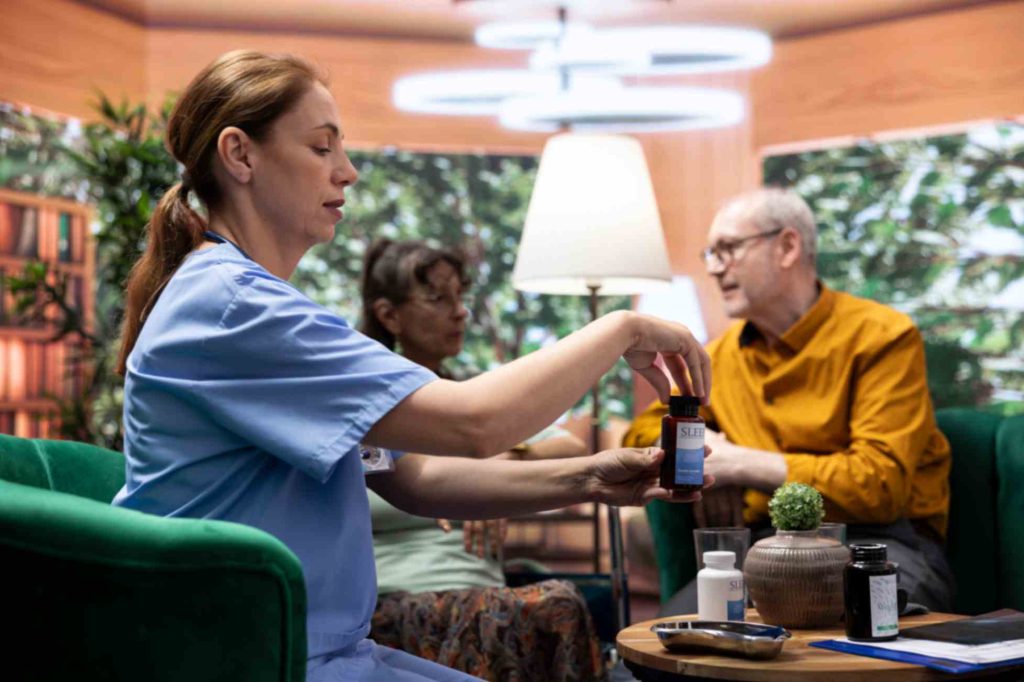
Care homes are essential in providing a safe and supportive environment for individuals who need assistance with daily living. Among the many professionals dedicated to improving the quality of life for care home residents, care home pharmacists play an essential role. Their expertise in medication management, health assessments and personalised care significantly impacts resident health and well-being.
Medication Management
One of the primary responsibilities of a care home pharmacist is to manage medications for residents. Many care home residents take multiple medications, often referred to as polypharmacy.
Managing these medications can be complex due to the risk of drug interactions, side effects and the need for correct dosages. Care home pharmacists ensure that each resident’s medication regimen is safe and effective by:
- Reviewing Medication Plans: Regularly review each resident’s medication plan to ensure all prescriptions are necessary and effective.
- Preventing Drug Interactions: Checking for potential drug interactions that could harm residents.
- Adjusting Dosages: Recommending dosage adjustments based on individual health needs and responses.
- Ensuring Adherence: Helping residents adhere to their medication schedules, which is vital for managing chronic conditions.
Health Assessments
Care home pharmacists are involved in conducting health assessments to monitor residents’ overall health and identify any emerging issues. These assessments include the following:
- Regular Check-ups: Conducting regular health check-ups to monitor vital signs and general health status.
- Chronic Disease Management: Managing chronic diseases such as diabetes, hypertension and asthma by adjusting medications and providing lifestyle advice.
- Nutritional Assessments: Evaluating residents’ nutritional status and recommending supplements or dietary changes as needed.
- Mental Health Monitoring: Monitoring for signs of mental health conditions like depression and anxiety, which are common in care home settings.
Personalised Care
Personalised care is at the heart of effective healthcare, particularly in care home settings where residents often have complex and varied needs. This approach not only improves health outcomes but also enhances the quality of life for residents.
- Individualised Medication Plans: Creating medication plans tailored to each resident’s specific health conditions and preferences.
- Education and Counseling: Educating residents and their families about medications, potential side effects and the importance of adherence.
- Collaborative Care: Working closely with other healthcare professionals, such as doctors, nurses and carers, to ensure a comprehensive care plan.
- Adjusting Care Plans: Making adjustments to care plans as residents’ health conditions change over time.
Enhancing Quality of Life
The impact of care home pharmacists goes beyond managing medications and health assessments. They play a vital role in enhancing the overall quality of life for residents by:
- Pain Management: Providing effective pain management strategies to ensure residents are comfortable.
- Promoting Independence: Encouraging and supporting residents to maintain as much independence as possible.
- Reducing Hospital Admissions: Preventing unnecessary hospital admissions by managing health conditions effectively within the care home.
- Supportive Environment: Creating a supportive environment where residents feel safe and cared for.
Types of Homecare Services
Homecare services are essential for supporting individuals who need assistance with daily living activities and medical care. These services can be provided in various forms, catering to the unique needs of each individual. Here are the main types of home care services:
- Personal Care Services: Assisting with daily activities such as bathing, dressing and eating.
- Nursing Care: Providing medical care for residents with complex health needs.
- Therapy Services: Offering physical, occupational and speech therapy to enhance mobility and communication.
- Social Services: Ensuring residents have access to social activities and community resources.
The Future of Care Home Pharmacy Services
The role of care home pharmacists is continually evolving to meet the changing needs of residents. Advances in technology and a greater focus on personalised care are driving improvements in home care pharmacy services. Future developments may include:
- Telepharmacy: Utilising telehealth technologies to provide remote consultations and medication management.
- Digital Health Records: Implementing digital health records to streamline communication between healthcare providers.
- Innovative Medication Delivery: Exploring new methods of medication delivery, such as automated dispensing systems.
- Enhanced Training: Providing ongoing training for care home staff to ensure they are equipped with the latest knowledge and skills.
Looking for the Best Care Home Services in London?
Care home pharmacists have a profound impact on the health and well-being of care home residents. Through meticulous medication management, comprehensive health assessments and personalised care, they ensure that residents receive the highest standard of care.
Our team of expert care home pharmacists at Pharmacy To My Door is dedicated to providing top-notch medication management, health assessments and personalised care to ensure the well-being of your loved ones. With our home care pharmacy services in London, you can rest assured that your family members are in safe and caring hands. Contact us today to learn more about how we can support your care home needs.


