
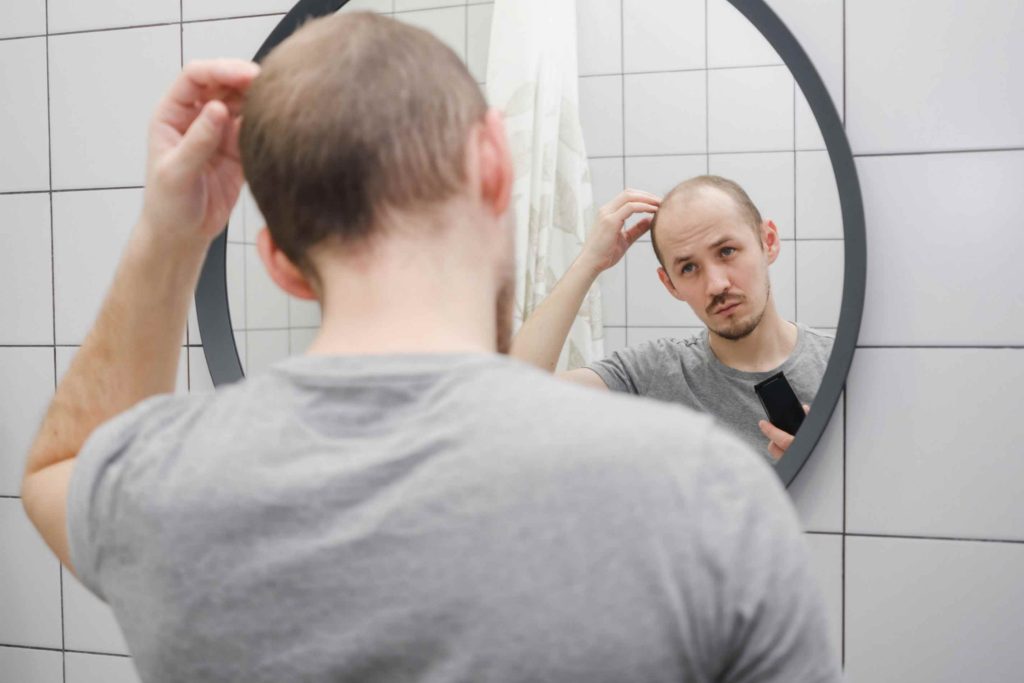
Hair loss can be a distressing experience, affecting both men and women at different stages of life. Although it’s often viewed as just a cosmetic concern, losing hair can impact confidence and well-being. Understanding the primary causes of hair loss can be the first step toward finding a suitable solution. Let’s take a closer look at why hair loss happens, what common triggers, and what options are available for hair loss treatment.
Common Reasons for Hair Loss
Hair loss occurs for various reasons, and often it’s a combination of factors that leads to thinning hair or bald patches. In men, hair loss is frequently due to genetic factors, while hair loss in women can stem from hormonal changes, stress, or nutritional issues. Identifying the reasons for hair loss is essential to determining the best treatment plan.
Genetic Predisposition
One of the most common causes of hair loss is genetic, also known as androgenetic alopecia or male and female pattern baldness. This type of hair loss is hereditary, meaning if your parents experienced hair thinning or baldness, there’s a higher chance you may too. This type of hair loss often starts with thinning around the temples or crown in men and gradually develops into a wider area. For women, genetic hair loss is typically more diffuse, creating an overall thinner appearance rather than bald patches.
Hormonal Changes
Hormonal shifts are a significant factor in hair loss in women. Many women experience hair loss after pregnancy, during menopause, or when stopping or starting birth control. These hormonal changes can disrupt the normal hair growth cycle, leading to temporary or even prolonged shedding. The good news is that hair lost due to hormonal factors often regrow once hormone levels stabilise, though this can take several months.
Stress and Lifestyle Factors
High stress levels, poor diet, and lack of sleep can also contribute to hair loss. Stress can trigger a condition known as telogen effluvium, where a large number of hair follicles go into a resting phase, leading to significant shedding after a few months. Similarly, lifestyle factors like poor diet, high caffeine consumption, or lack of exercise may cause nutrient deficiencies, impacting hair health and contributing to manual hair loss.
Medical Conditions and Medications
Certain medical conditions, including thyroid disorders, anaemia, and autoimmune diseases, are known to contribute to hair loss causes. These health issues can disrupt the hair growth cycle and weaken hair follicles. Additionally, medications used to treat conditions like hypertension, depression, and cancer often list hair loss as a side effect. In these cases, working with a healthcare provider to address the underlying condition can sometimes reduce or even reverse the hair loss.
Physical Trauma and Hairstyling Habits
Excessive hairstyling, frequent use of heated tools, and tight hairstyles like ponytails or braids can cause what’s known as traction alopecia. This form of hair loss results from physical stress on the hair shafts, which eventually leads to weakened roots. Over time, these practices can cause hair to thin and break. Being gentle with your hair, using appropriate styling products, and allowing it to rest from frequent manipulation can help maintain its health.
Looking for Help? Book an Appointment at Pharmacy To My Door
Understanding the causes of hair loss can provide clarity and hope. With the right approach and guidance, it’s possible to slow down hair loss and regain a healthy head of hair.
If you’re experiencing hair loss and aren’t sure where to start, why not seek expert advice? Get Your Hair Back on Track with Pharmacy To My Door! They offer consultations to help you understand the specific reasons behind your hair loss and recommend the most effective solutions for you. It’s time to feel confident about your hair again – book an appointment today to explore personalised hair loss treatment options.


