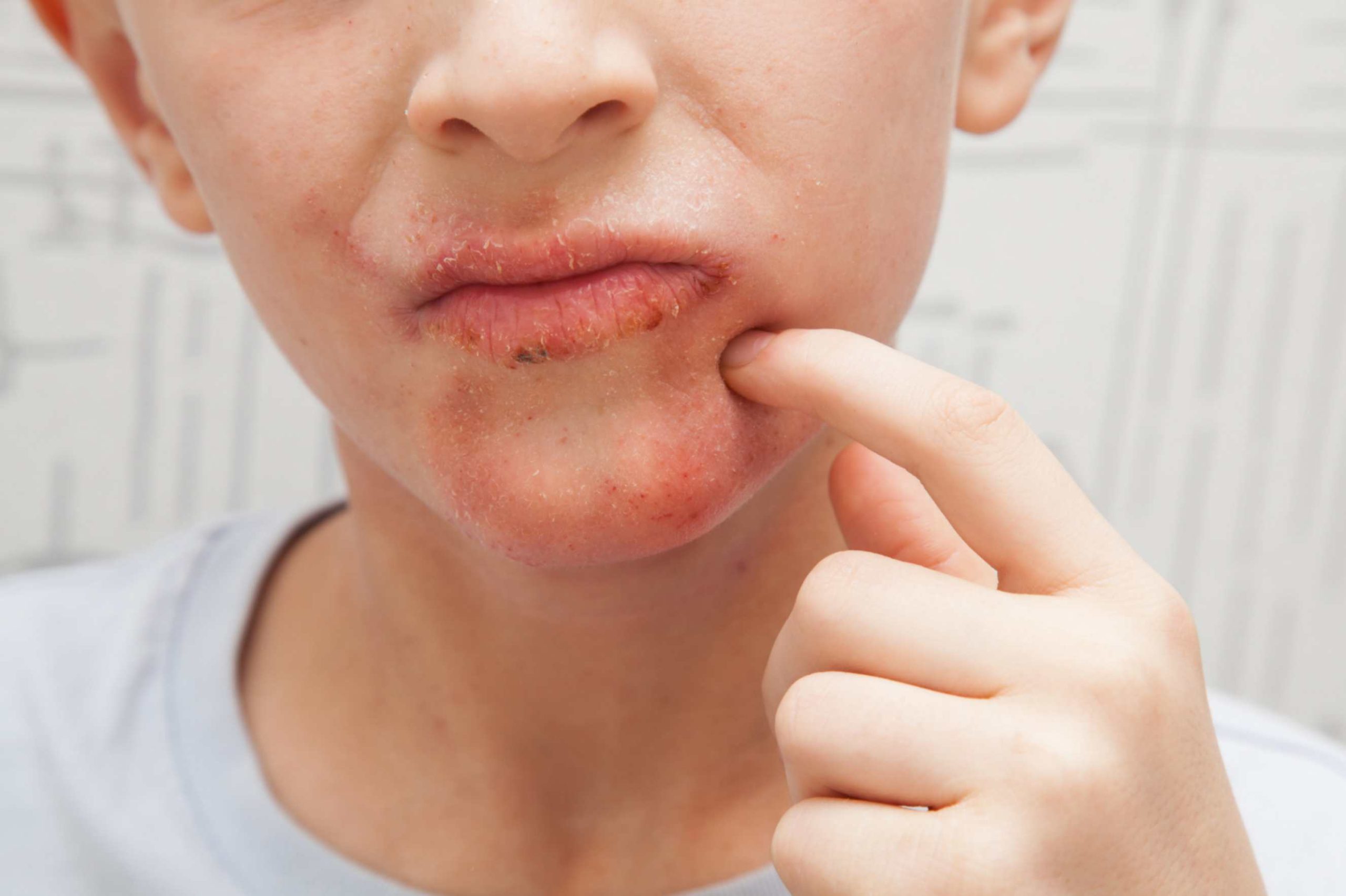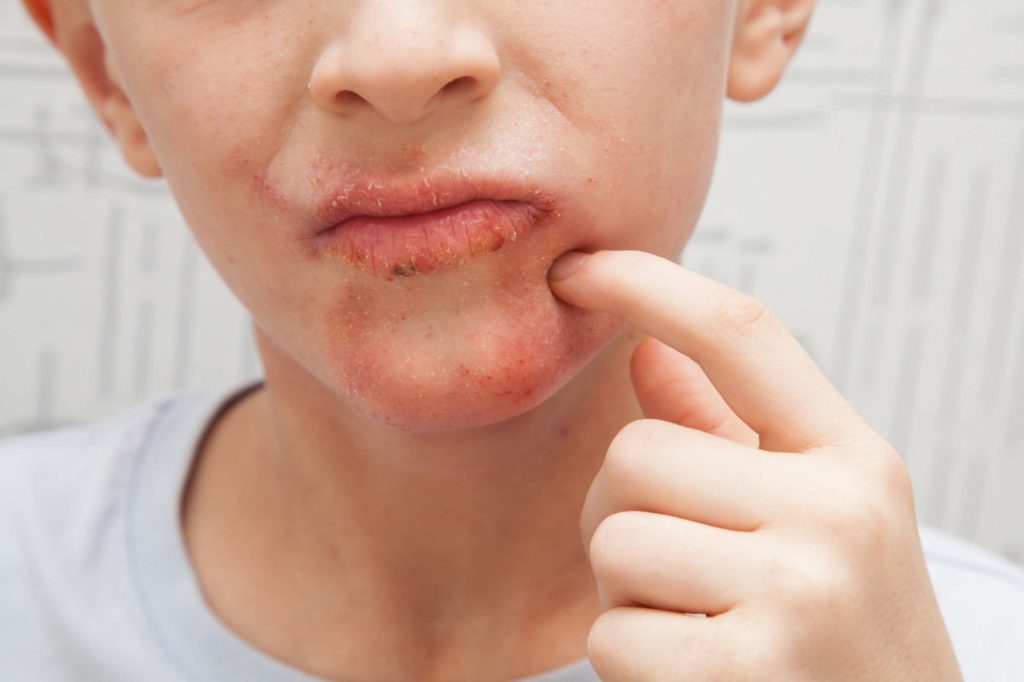
Impetigo is a common and highly contagious skin infection that mainly affects children but can also occur in adults. It appears as red sores or blisters that can break open, ooze, and form a yellow-brown crust. If left untreated, impetigo can spread quickly to other parts of the body and even to other people. Early identification and prompt impetigo treatment are key to preventing complications and discomfort.
Impetigo Symptoms: What to Look Out For?
Recognising impetigo symptoms early can help in seeking timely treatment. The most common signs include:
- Red sores: These typically appear around the nose and mouth but can also occur on other parts of the body.
- Blisters: Small fluid-filled blisters that may burst and leave a crusty layer.
- Itching and soreness: The affected area can feel itchy and painful.
- Swollen lymph nodes: In some cases, the infection may cause nearby lymph nodes to swell.
If you notice these symptoms, especially impetigo on the face, it is essential to take immediate action to prevent the infection from spreading.
Types of Impetigo
There are two main types of impetigo:
- Non-bullous impetigo: The most common form, which starts as small red sores that quickly form a honey-coloured crust.
- Bullous impetigo: This type causes larger fluid-filled blisters that can be painful and are more likely to affect infants and young children.
What are the Common Causes of Impetigo?
Impetigo is caused by bacteria, mainly Staphylococcus aureus and Streptococcus pyogenes. It often enters the skin through cuts, insect bites, or other injuries. Certain factors can increase the risk of developing impetigo, such as:
- Close contact with an infected person
- Poor hygiene
- Warm and humid weather
- Skin conditions like eczema or insect bites
- Scratching an existing rash or irritation
Effective Impetigo Treatment
If you suspect impetigo, it is important to seek medical advice for the right treatment. Some of the most effective treatment options include:
- Topical antibiotics: A doctor may prescribe antibiotic creams or ointments to apply directly to the affected areas.
- Oral antibiotics: For more severe cases, oral antibiotics may be required to clear the infection.
- Keeping the skin clean: Gently washing the affected area with mild soap and water can help prevent the spread of bacteria.
- Avoiding touching or scratching: Keeping hands clean and covering the sores can reduce the risk of spreading the infection to others.
Preventing Impetigo Recurrence
To avoid recurrent impetigo infections, consider these preventive measures:
- Regular handwashing with soap and water
- Keeping wounds or insect bites clean and covered
- Avoiding sharing towels, clothing, or personal items
- Maintaining good overall hygiene
Act Now for Quick Relief – Book an Appointment Today!
If you suspect impetigo or notice any symptoms, don’t wait! Early treatment is important to prevent further spread and discomfort. Book an appointment at Pharmacy to My Door for expert advice and fast-acting solutions to help you get back to healthy skin. Our pharmacists are here to guide you with the best impetigo treatment options tailored to your needs. Act now and take the first step towards fast relief!