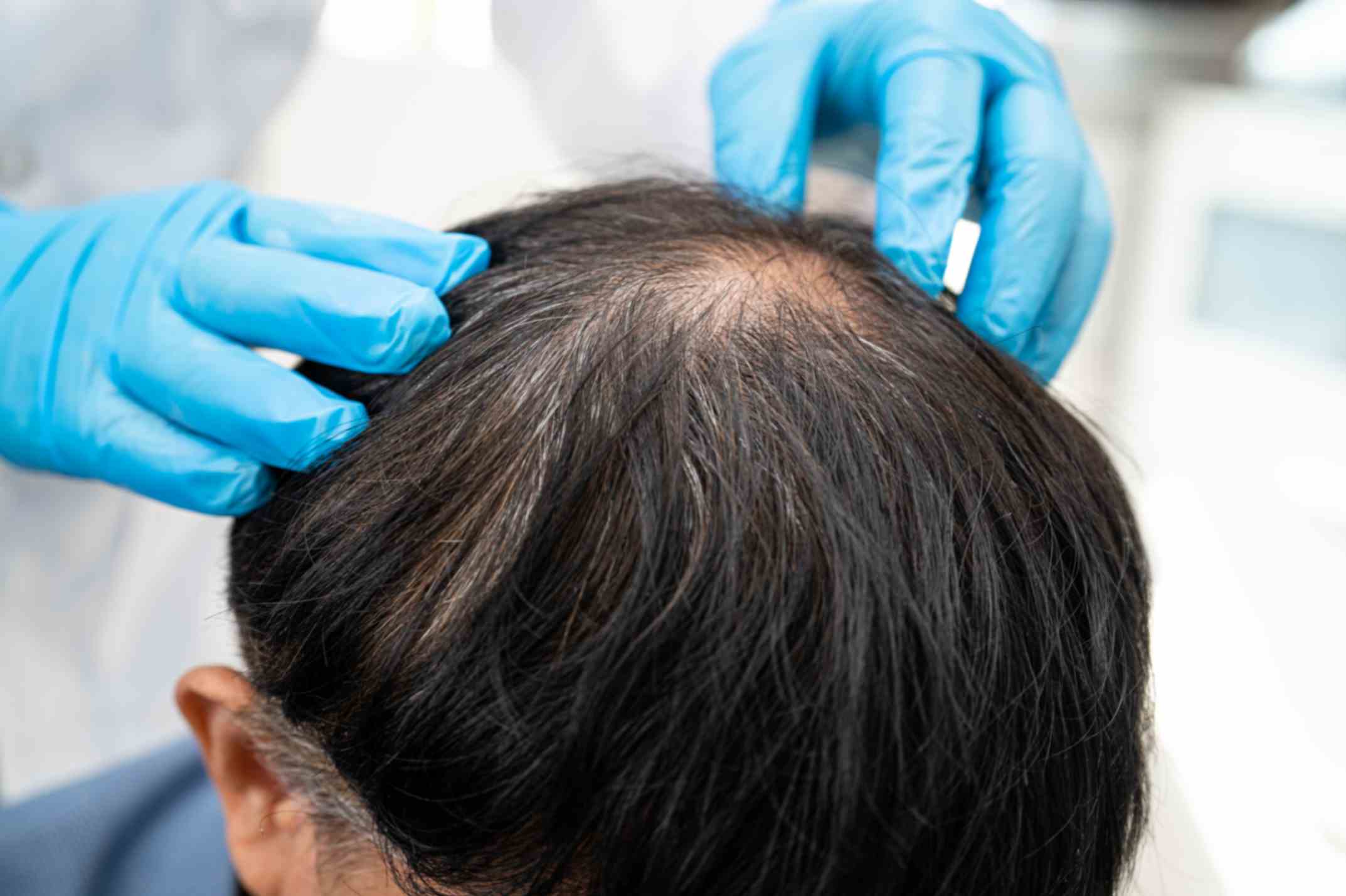
Hair loss is a common concern for many people, and it can be an emotional and distressing experience. While losing a few strands of hair every day is entirely normal, sudden or excessive hair loss can be alarming. If you’ve noticed your hair thinning, you may wonder whether it’s simply part of the natural ageing process, or if it’s a sign of an underlying health issue. In this article, we’ll explore the various causes of hair loss and when it may indicate something more serious.
The Natural Cycle of Hair Growth
Before diving into the potential causes of hair loss, it’s important to understand the natural cycle of hair growth. Hair follicles go through three main stages: anagen (growth), catagen (resting), and telogen (shedding). On average, it’s normal to lose between 50 and 100 hairs per day as part of this cycle. However, if you start noticing more significant thinning or patches of baldness, it could be a sign of something beyond the usual hair loss.
What are the Common Hair Loss Causes?
There are many reasons for hair loss, some of which are temporary and others that may indicate a deeper health issue. Below are a few common causes:
Genetics
One of the most common reasons for hair loss is genetics. If hair loss runs in your family, you may be more likely to experience it yourself. Male pattern baldness (androgenetic alopecia) is a hereditary condition that typically causes a receding hairline or thinning crown. Women can also experience a similar condition, which may result in diffuse thinning across the scalp.
Hormonal Changes
Hormonal fluctuations are another major cause of hair loss. Conditions such as pregnancy, childbirth, menopause, and thyroid disorders can lead to temporary hair shedding. Women often experience hair loss after pregnancy, as their hormone levels fluctuate. Similarly, thyroid problems—both underactive and overactive—can disrupt the normal growth cycle of hair.
Nutritional Deficiencies
A lack of essential nutrients in the diet can also lead to hair loss. Iron, zinc, biotin, and protein are all crucial for healthy hair growth. Deficiencies in any of these nutrients can cause the hair to become weak, brittle, and prone to falling out. If your hair loss is accompanied by other symptoms like fatigue or pale skin, a nutritional deficiency may be the culprit.
Stress and Anxiety
Mental health plays a significant role in hair health. High levels of stress or anxiety can lead to a condition called telogen effluvium, which causes hair follicles to prematurely enter the shedding phase. This type of hair loss is usually temporary, and the hair may regrow once stress levels are reduced.
Autoimmune Conditions
Certain autoimmune diseases, such as alopecia areata, can cause your immune system to attack your hair follicles, leading to patchy hair loss. If you have an autoimmune disorder, your body’s ability to protect itself from infections and diseases is compromised, and hair loss is one of the side effects.
Medications and Treatments
Some medications, including those used for cancer, arthritis, depression, and high blood pressure, can cause hair loss as a side effect. Chemotherapy is one of the most well-known treatments that leads to hair loss, but many other drugs can also disrupt hair growth.
Scalp Infections
Infections on the scalp, such as fungal infections like ringworm, can cause hair to fall out. If you notice redness, inflammation, or scaly patches on your scalp, it may be worth seeking medical advice to rule out infections as a cause of hair loss.
When Should You Be Concerned?
While hair loss is a common issue, it’s important to pay attention to the signs that might indicate an underlying health problem. If you experience any of the following symptoms alongside hair loss, it’s a good idea to consult with a healthcare professional:
- Sudden, significant hair loss
- Scalp redness or tenderness
- Itchy or scaly scalp
- Hair loss in patches
- A family history of autoimmune diseases or other health conditions
These signs may point to an underlying health issue that requires further investigation.
Hair Loss Treatment Options
If you’re concerned about hair loss, it’s essential to determine the underlying cause so that the right treatment can be prescribed. For some, lifestyle changes, such as improving nutrition or managing stress, may help. For others, medical treatments like topical solutions (e.g., minoxidil), prescription medications, or even hair transplant surgery may be necessary.
Get Expert Help for Your Hair Loss Today!
In many cases, hair loss is simply a part of life, but sometimes it can indicate an underlying health issue. Whether it’s a hormonal imbalance, a nutritional deficiency, or something more serious, understanding the cause of your hair loss is the first step toward finding a solution. If you’re unsure about the cause of your hair thinning, it’s always a good idea to consult a healthcare professional for advice.To learn more about our hair loss services or to schedule your initial consultation, please fill out the contact form and our specialist pharmacist will call you. Book an appointment at Pharmacy To My Door now.