
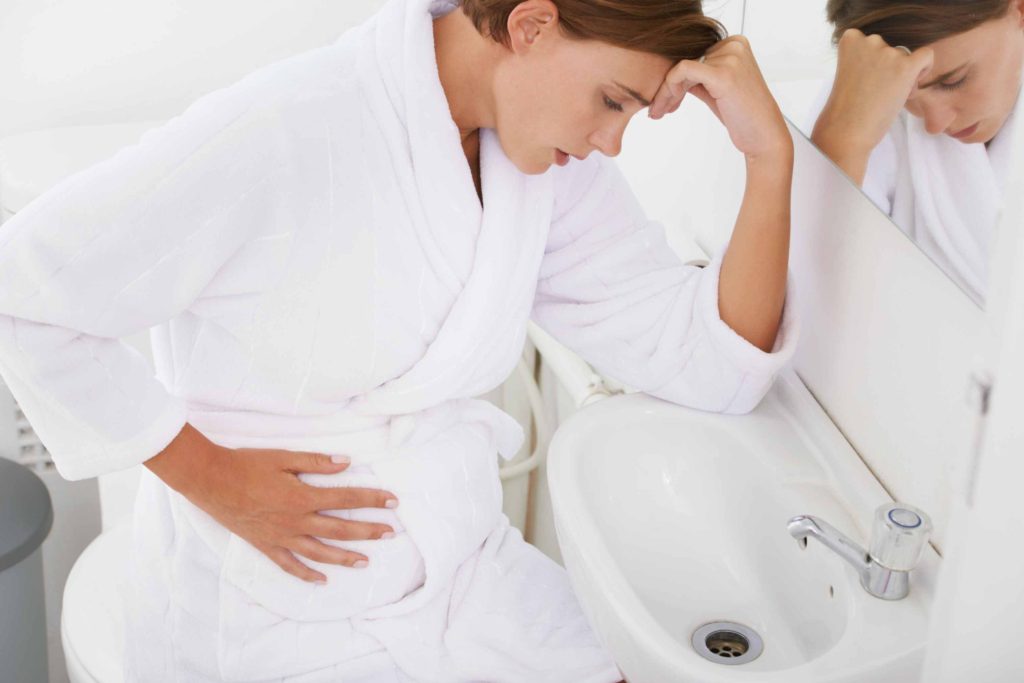
Many people experience constipation at some point in their lives. It can be uncomfortable, frustrating, and sometimes even painful. But did you know that constipation could also lead to bladder infections? This might come as a surprise, but the two are closely linked. In this article, we’ll explore how constipation can contribute to bladder infections and what you can do to prevent it.
How Are Constipation and Bladder Infections Linked?
Bladder infections, also known as urinary tract infections, occur when bacteria enter the urinary system. While these infections are more common in women, men can also experience them. Constipation may not seem related, but it can increase the risk of developing a bladder infection in several ways:
Pressure on the Bladder
When you’re constipated, your bowel becomes full and may press against your bladder. This pressure can make it difficult to empty your bladder completely. When urine stays in the bladder for too long, bacteria have more time to grow, increasing the risk of infection.
Bacteria Build-up
Constipation can cause bacteria to accumulate in the digestive system. If hygiene isn’t maintained properly, bacteria from the bowel can move towards the urinary tract, leading to an infection. This is especially common in women due to the shorter length of the urethra.
Weakened Pelvic Muscles
Straining during constipation can weaken pelvic muscles, affecting bladder control. If the bladder doesn’t empty fully, leftover urine provides a perfect environment for bacteria to thrive.
Changes in Gut and Bladder Health
A healthy gut helps maintain a balanced level of good bacteria, which can protect against infections. Constipation can disrupt this balance, making the body more vulnerable to infections, including bladder infections.
Who Is at Risk?
Anyone can develop constipation and bladder infections, but some people are more at risk than others. This includes:
- Women: Due to anatomical differences, women are more likely to develop UTIs.
- Elderly individuals: As people age, bladder function may change, and constipation can become more common.
- Pregnant women: Hormonal changes and pressure on the bladder can increase the likelihood of both conditions.
- People with limited mobility: Those who are less active may experience slower digestion, leading to constipation and a higher risk of infections.
- Individuals using certain medications: Some medications, including painkillers, antidepressants, and specific types of contraception, may cause constipation as a side effect.
Can Contraception Affect Bladder Health?
Some types of contraception can contribute to constipation, which may then lead to bladder infections. For example:
- Contraceptive pill: Some women report digestive issues, including constipation, as a side effect.
- Contraceptive implant and injection: These methods of contraception can cause hormonal changes, which may affect digestion and bowel movements.
- Emergency contraception: While generally safe, some people may experience short-term digestive discomfort, including constipation.
If you suspect that your method of contraception is causing constipation and leading to bladder infections, speak to a healthcare professional for advice.
Preventing Constipation and Bladder Infections
The good news is that there are simple ways to prevent constipation and reduce your risk of bladder infections:
- Stay Hydrated: Drink plenty of water throughout the day to keep your digestive system moving and flush bacteria from your bladder.
- Eat a High-Fibre Diet: Fibre-rich foods like whole grains, fruits, and vegetables help prevent constipation and promote regular bowel movements.
- Stay Active: Regular exercise helps keep your bowels healthy and improves bladder function. Even light activity like walking can make a big difference.
- Practise Good Hygiene: Wipe from front to back after using the toilet to prevent bacteria from spreading. Wash your hands and maintain proper hygiene to reduce infection risks.
- Don’t Ignore the Urge to Go: Holding in urine for too long can allow bacteria to multiply in the bladder. Go to the toilet as soon as you feel the need.
- Consider Your Contraceptive Method: If you suspect that your method of contraception is causing digestive issues, consult a pharmacist to explore other options.
Struggling with Constipation or Bladder Infections? We Can Help!
Don’t suffer in silence. Help is available. Whether you’re experiencing constipation, frequent bladder infections, or suspect your contraception is affecting your digestive health, speaking to a professional can make all the difference. Book an appointment today at Pharmacy to My Door for expert advice and personalised solutions. Our team can guide you on managing constipation, choosing the right method of contraception, and maintaining overall bladder health. Stay healthy, stay comfortable. Start your journey to better health today!


