Hair loss is something most people experience at some point in life. Losing a few hairs here and there is normal, especially while brushing, washing, or waking up to strands on your pillow. But how do you know if your hair loss is more than just the usual shedding?
Understanding the difference between normal hair fall and serious hair loss is key to getting the right help early on. In this article, we’ll explain the main hair loss signs, what might be causing it, and how to know when to seek advice.
Is My Hair Loss Normal?
It’s completely normal to lose around 50 to 100 hairs a day. This is part of the natural cycle where old hairs fall out and new ones grow in their place.
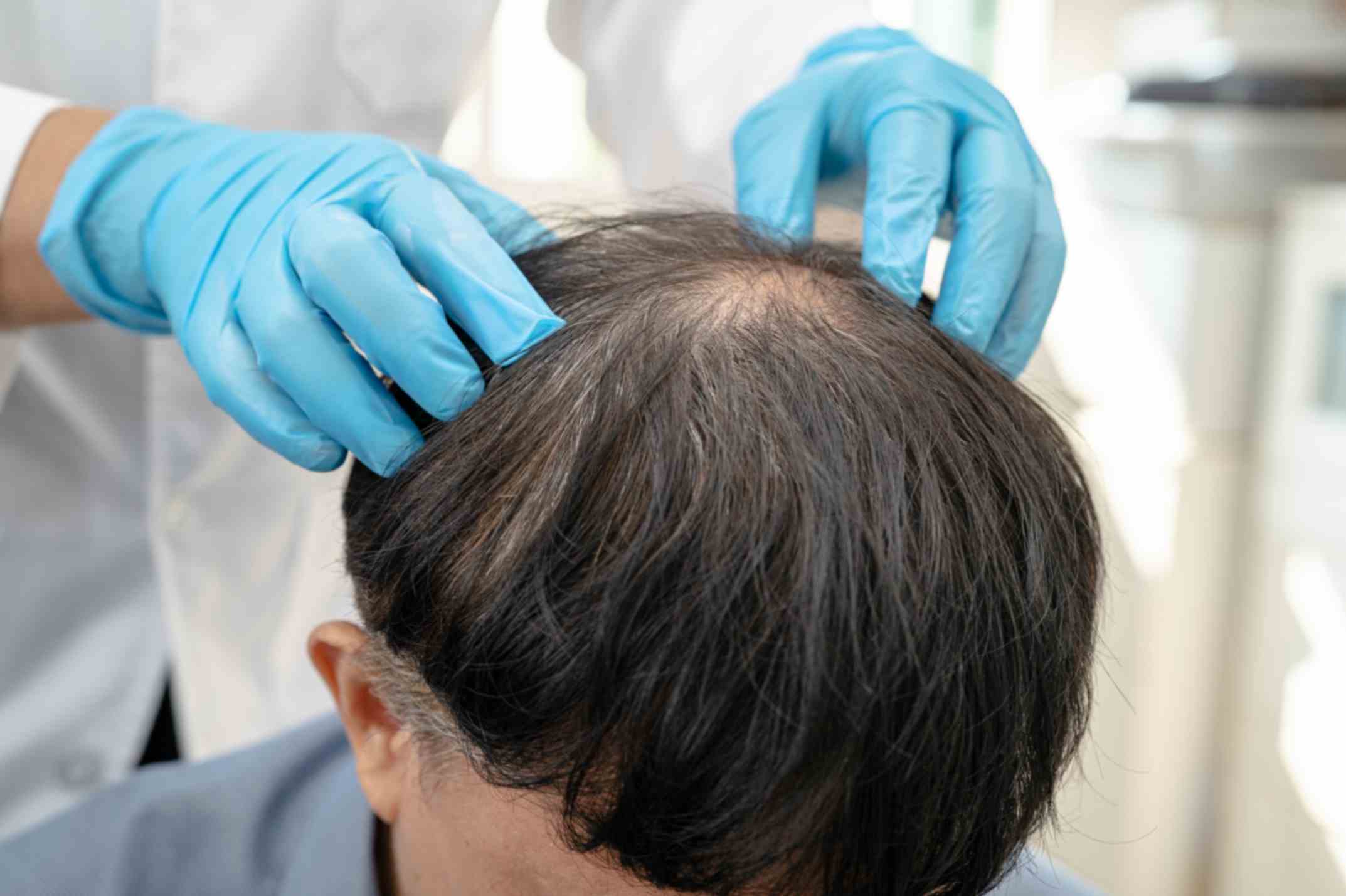
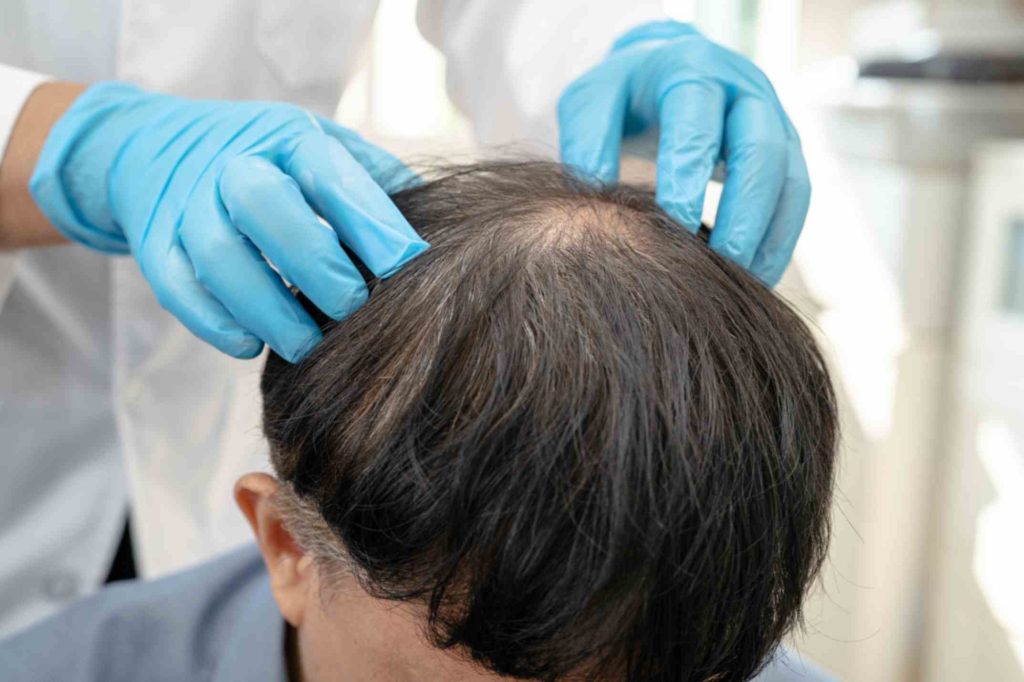
But if you’re noticing more than usual (like clumps of hair in the shower drain, thinning patches, or a visible scalp) it might not be normal anymore. These changes could point to early hair loss symptoms that need attention.
Common Hair Loss Signs to Watch Out For
There are a few key signs that your hair loss might be more than regular shedding:
- A widening part or thinning around your crown
- Noticeable bald patches on your scalp
- Receding hairline, especially at the temples
- Excessive hair on your pillow, comb, or shower drain
- Scalp irritation, itching, or redness
- Slower hair regrowth or no regrowth in patchy areas
Some people also confuse hair thinning with hair loss. Hair thinning vs hair loss can be tricky to spot — thinning means your hair is gradually becoming finer, while hair loss often includes actual bald spots or large amounts falling out.
Causes of Hair Loss
Several things can trigger hair loss. Here are some common causes:
Genetics
Hereditary hair loss (also known as male or female pattern baldness) is the most common cause. It tends to develop gradually and runs in families.
Stress or Illness
Physical or emotional stress, recent surgery, high fever, or serious illness can cause temporary hair loss known as telogen effluvium.
Hormonal Changes
Hormonal shifts during pregnancy, menopause, or due to thyroid conditions can affect hair growth.
Poor Diet
Lack of essential nutrients like iron, protein, vitamin D, and zinc can lead to hair thinning.
Medical Conditions
Conditions like alopecia areata (where the immune system attacks hair follicles), scalp infections, and skin disorders can all cause hair loss.
Medication or Treatments
Certain drugs, including those for cancer, depression, high blood pressure, and arthritis, may lead to hair fall as a side effect.
Hair Loss Diagnosis: When Should You Be Concerned?
If your hair fall is increasing and you notice any of the above symptoms, it’s a good idea to get a proper diagnosis. Our pharmacist can assess your scalp, review your health history, and may suggest blood tests to rule out deficiencies or thyroid problems.
Early diagnosis can help manage the condition better and stop it from getting worse.
What Can You Do About It?
The right treatment depends on the cause. In some cases, hair loss is temporary and improves once the root issue is resolved. In others, you may need ongoing care.
Options may include:
- Nutritional advice and supplements
- Topical treatments like minoxidil
- Stress management techniques
- Scalp care products
- Prescription medications in some cases
The earlier you act, the more you can preserve your hair and possibly encourage regrowth.
Talk to a Pharmacist Today Before It Gets Worse
Think your hair loss might be more than normal? Don’t wait until it becomes harder to treat. Our team is here to help you understand what’s causing your hair loss and guide you towards the right solution. Book your consultation at Pharmacy To My Door.