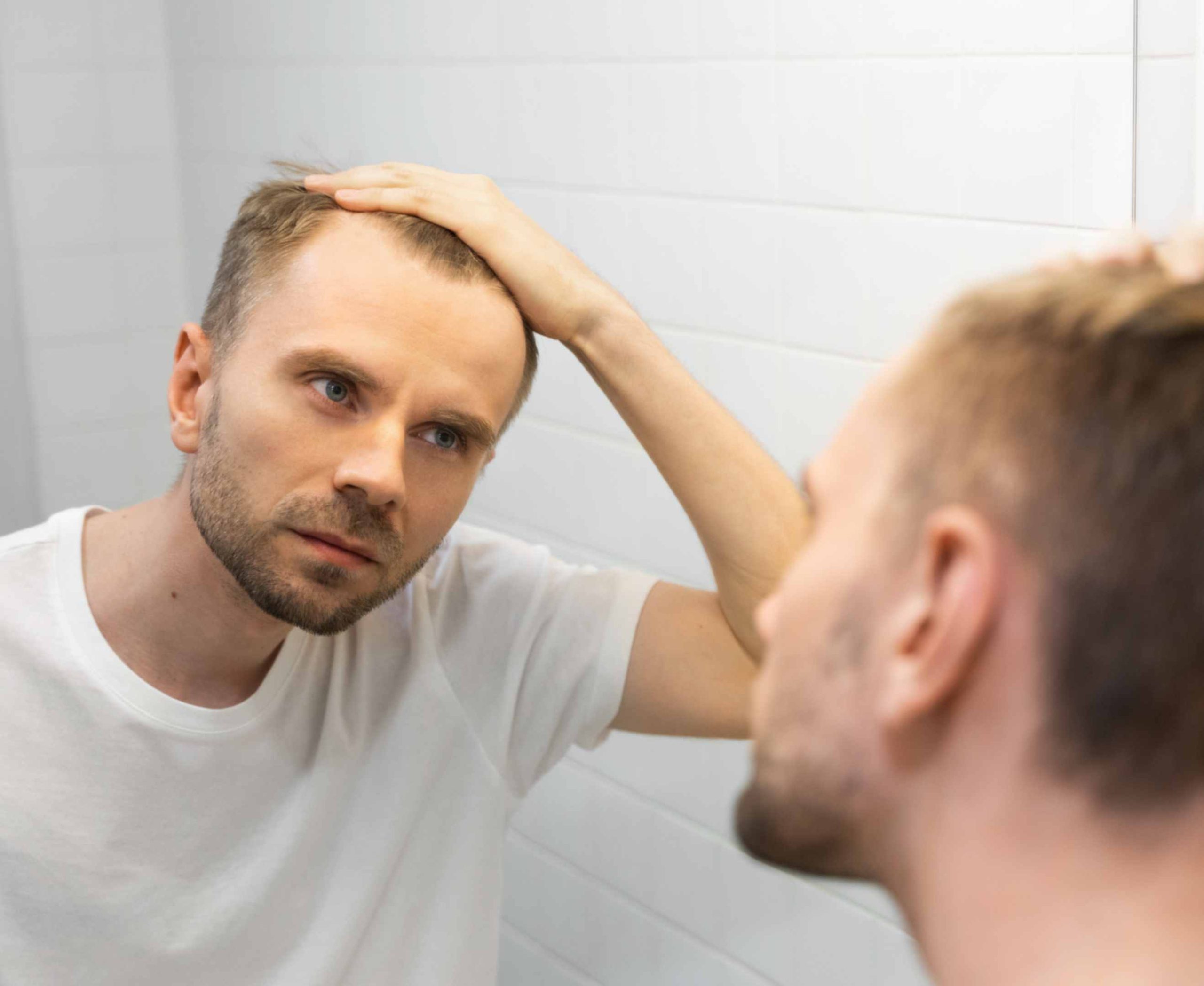
Losing some hair each day is perfectly normal, but when you start noticing more in your brush or shower drain, it can quickly become worrying. According to guidance from NICE, up to 50% of women will experience some degree of hair loss during their lifetime.
This shows just how common the issue really is — yet many women overlook the early signs until it begins to affect their confidence. While genetics and ageing often play a part, there are several hidden triggers that can quietly contribute to thinning hair.
In this article, we look at five often-missed hair loss causes and share practical ways to manage them safely with expert support.
What Are the Main Causes of Hair Loss in Women?
Hair loss happens when the natural growth cycle of your hair is interrupted. It’s normal to lose between 50 and 100 hairs a day, but when shedding becomes excessive, it may point to an underlying issue. Understanding what’s driving your hair loss is the first step to effective recovery.
Below are five often overlooked causes of hair loss in women that might be affecting you.
Hormonal Changes Can Affect Hair Growth
Hormones have a powerful influence on your hair. Fluctuations due to pregnancy, menopause, or thyroid imbalances can push hair into the shedding phase. Lower oestrogen levels in particular can shorten the growth cycle, causing visible thinning.
How to support hormonal balance:
- Ask our pharmacists about supplements that support hormonal health.
- Include iron, vitamin D, and zinc in your diet.
- Maintain scalp health with gentle cleansing and massage.
Stress and Mental Health Can Cause Hair Shedding
Stressful events can trigger telogen effluvium, a type of temporary hair loss. Emotional strain, illness, or major life changes can all push more hairs into the resting phase, leading to noticeable thinning.
What helps reduce stress-related hair loss:
- Regular exercise and relaxation techniques.
- Balanced sleep and hydration.
- Consultation with our experts for supportive scalp care products.
Nutritional Deficiencies Can Weaken Hair
A lack of essential nutrients such as protein, iron, or vitamin B12 can slow down new hair growth and weaken existing strands. Even restrictive diets or skipping meals can impact your hair’s strength.
Key nutrients for stronger hair:
- Iron for oxygen transport to follicles.
- Protein for keratin production.
- Zinc and biotin for healthy new growth.
If your diet may be contributing to hair thinning, our pharmacists can recommend targeted supplements or treatments.
Hairstyles and Heat Damage Can Lead to Thinning Hair
Frequent use of straighteners, blow dryers, or tight hairstyles like braids and ponytails can cause breakage and traction alopecia. Over time, this repeated strain damages the follicles and can result in permanent hair loss.
Ways to prevent styling-related damage:
- Limit heat styling and always use protection sprays.
- Avoid hairstyles that pull tightly on the scalp.
- Choose mild, nourishing shampoos and conditioners.
Certain Medicines Can Trigger Hair Loss
Some prescription medicines, including those for blood pressure, hormonal conditions, or depression, can list hair loss as a side effect. It’s important not to stop medication without speaking to our pharmacist.
What to do if you suspect a medicine is causing hair loss:
- Speak with our pharmacists for safe guidance and possible alternatives.
- Explore supportive topical or nutritional hair loss treatments.
When Should You Seek Help for Thinning Hair?
If hair thinning persists for several months or if you notice patches developing, professional guidance can help you find safe, effective hair loss treatments. Our team can help identify the underlying cause and suggest practical next steps.
Take the First Step Towards Healthier Hair
Hair loss can affect more than just appearance — it can impact your confidence and peace of mind. But with early action and the right care, it’s possible to restore both hair health and self-assurance.
Book your consultation today with our pharmacists at Pharmacy To My Door for personalised advice and treatment options to help manage hair loss safely and effectively.
FAQs
What triggers sudden hair loss in women beyond ageing?
Sudden hair loss in women is often due to telogen effluvium, where stress, rapid weight loss, surgery, or hormonal imbalance push many hairs into the shedding (resting) phase. This condition is usually temporary and reversible.
Can thyroid problems be one of the hair loss causes?
Yes. Thyroid imbalance is among the common hair loss causes, as both underactive and overactive thyroid glands can disrupt the normal hair growth cycle. Restoring hormone balance often helps reduce shedding and support regrowth.
Is female pattern hair loss different from general hair loss in women?
Female pattern hair loss (also known as androgenetic alopecia) leads to gradual thinning across the top of the scalp and widening of the hair part. It’s one of the most common causes of hair loss in women and has a genetic component.
Can certain hair care habits lead to thinning hair?
Yes. Overusing heat tools, tight hairstyles, or harsh chemical treatments are frequent causes of thinning hair. These habits can weaken follicles over time, leading to breakage and noticeable hair thinning.
How do nutritional deficiencies contribute to hair loss?
Lack of essential nutrients — particularly iron, zinc, protein and certain B vitamins — weakens hair follicles, shortening growth cycles and increasing shedding. Supplements or dietary changes often help, depending on your levels.
Is hair loss treatment possible for chronic thinning in women?
Yes. A range of hair loss treatment options—topical formulations, supplements, and lifestyle changes—can help manage chronic thinning. Early intervention tends to yield better results, especially when underlying causes are addressed.