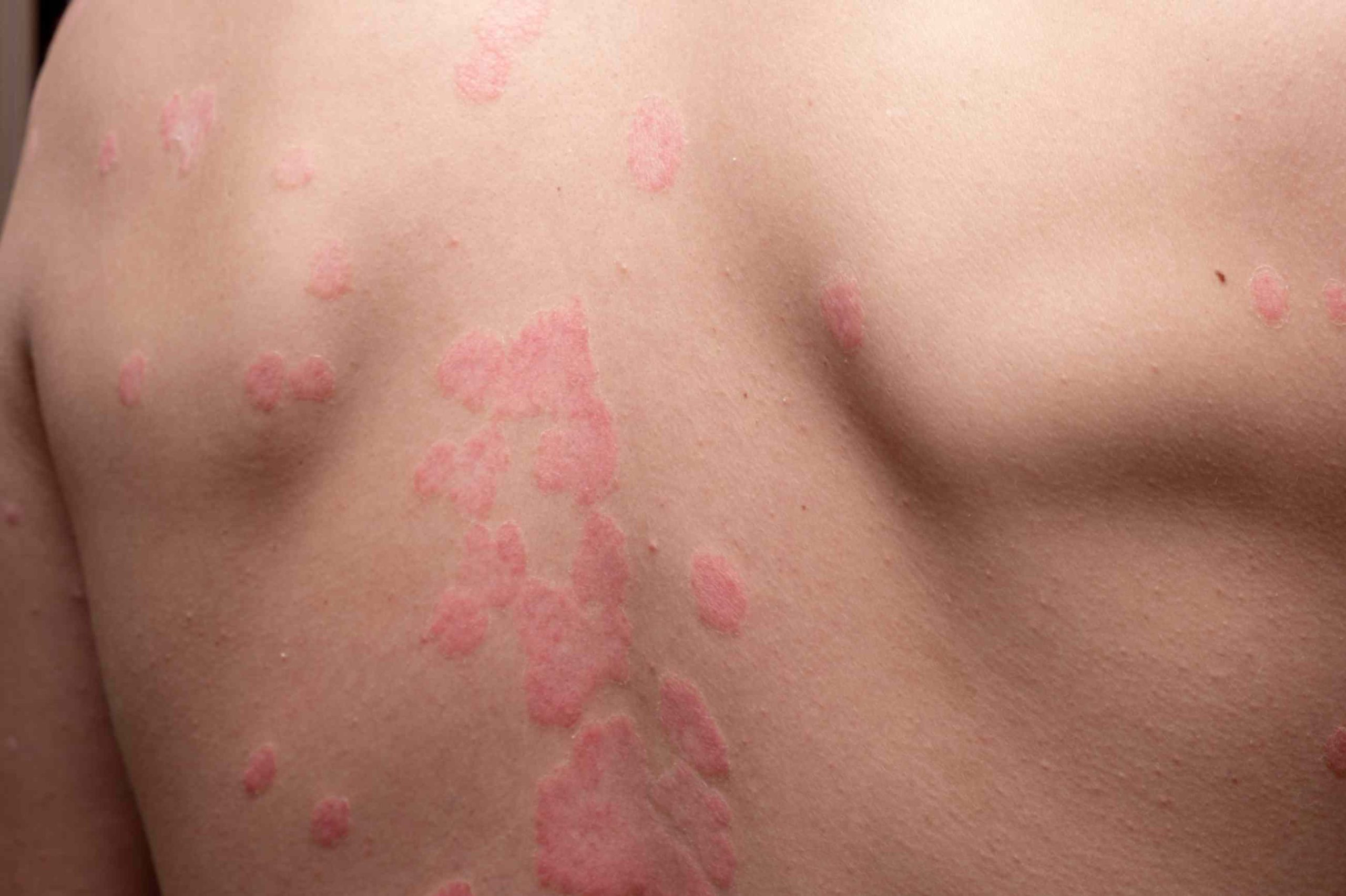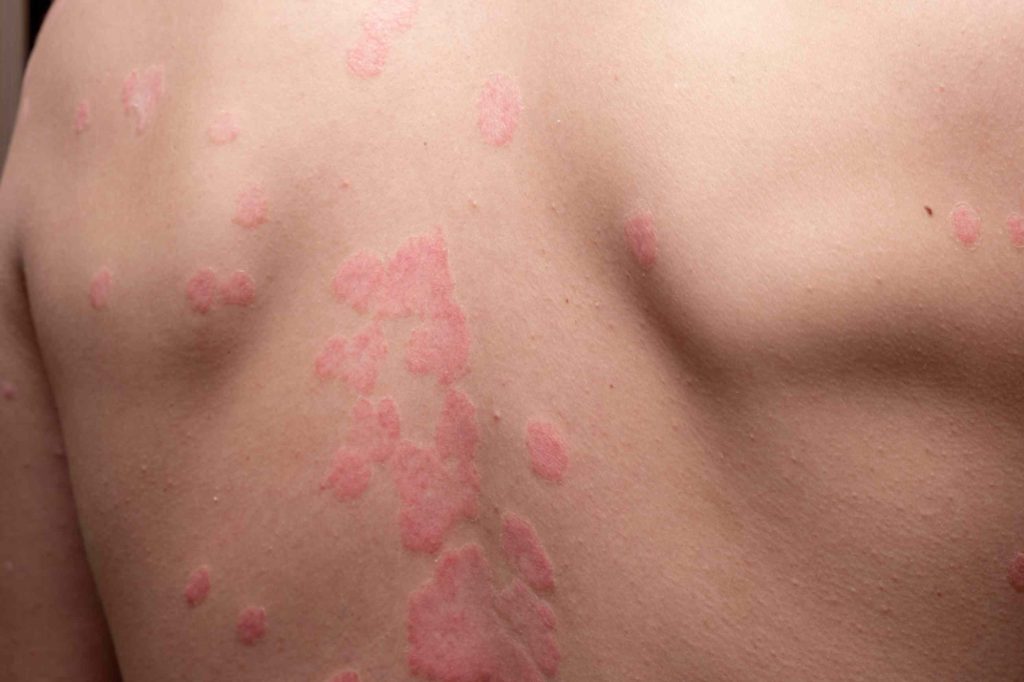
Psoriasis is a long-term skin condition that causes red, itchy, and scaly patches. It affects around 2 in 100 people in the UK, meaning over 1.3 million people may live with this condition. While there is no permanent cure, modern psoriasis treatment options have come a long way in helping manage flare-ups, reduce discomfort, and improve the look and feel of skin.
In this article, we’ll explore what causes psoriasis, the best treatment for psoriasis today, and how new options compare in offering pain relief for psoriasis.
What Causes Psoriasis?
Psoriasis occurs when the body’s immune system triggers skin cells to multiply too quickly. Instead of shedding normally, these extra cells build up on the surface, creating dry and scaly patches.
While the exact cause isn’t fully understood, several factors can increase your risk:
- Family history of psoriasis
- Stress or illness
- Cold weather or dry air
- Certain medications, such as beta-blockers
- Skin injuries or infections
Understanding what causes psoriasis can help you identify triggers and choose a treatment plan that works best for your lifestyle.
What Are the Main Psoriasis Symptoms?
Psoriasis symptoms vary in severity from person to person. The most common signs include:
- Red or silvery scaly patches on the skin
- Itching or burning sensations
- Cracked or dry skin that may bleed
- Stiff or swollen joints (in psoriatic arthritis)
The condition can appear anywhere on the body but most often affects the elbows, knees, scalp, and lower back. Early recognition of symptoms helps start psoriasis medication or other therapies before flare-ups worsen.
What Are the New and Traditional Psoriasis Treatment Options?
Psoriasis treatment depends on how severe your symptoms are and how your skin responds. Treatments are usually grouped into three main types.
Topical Treatments
These include creams, gels, and ointments applied directly to the skin. They are often the first line of treatment and can include:
- Vitamin D-based creams (like calcipotriol)
- Coal tar products
- Corticosteroid creams to reduce inflammation
They help control mild psoriasis symptoms but may need to be used with other options for more severe cases.
Phototherapy (Light Therapy)
This involves exposing the skin to controlled amounts of ultraviolet (UV) light. It slows down cell growth and reduces scaling. Phototherapy is often recommended for moderate psoriasis when creams are not enough.
Systemic and Biologic Treatments
For more persistent cases, oral tablets or injections may be prescribed.
- Systemic medications (like methotrexate or cyclosporine) work throughout the body to suppress the immune response.
- Biologic treatments target specific parts of the immune system that trigger psoriasis. These newer drugs, such as adalimumab or secukinumab, have shown impressive results in reducing flare-ups and maintaining clear skin.
While biologics are often considered the best treatment for psoriasis, they require professional assessment and are typically reserved for those with moderate to severe symptoms.
What Should You Know About Pain Relief for Psoriasis?
Pain relief for psoriasis often goes beyond managing skin symptoms. Many people experience soreness, burning, or joint pain during flare-ups.
Simple steps can help ease discomfort:
- Keep your skin moisturised.
- Avoid harsh soaps and hot showers.
- Use gentle, fragrance-free emollients.
- Manage stress and maintain a healthy lifestyle.
If your symptoms affect your joints or cause long-term discomfort, our pharmacists can guide you on safe pain relief options and when to consider further assessment.
Which Psoriasis Medication Is Right for You?
Choosing the right psoriasis medication depends on your symptoms, health history, and how you respond to treatment. Some medicines may have side effects, including nausea, fatigue, or a higher risk of infection. That’s why it’s important to consult our pharmacist before starting or changing treatment.
Our experts can discuss your specific condition and suggest suitable treatment options, including topical, systemic, or biologic therapies.
Take the Next Step Towards Healthier Skin
Living with psoriasis can be challenging, but with the right treatment and guidance, clear and comfortable skin is achievable. Whether you need advice on topical creams, new biologic options, or pain relief for psoriasis, professional help is just a call away.
Book your consultation to talk to our pharmacist today at Pharmacy To My Door and get personalised support for managing psoriasis safely and effectively.
FAQs
Can diet changes help with psoriasis symptoms and treatment?
Yes. While diet is not a substitute for psoriasis medication, adopting an anti-inflammatory eating pattern (rich in oily fish and leafy greens and low in processed foods) may reduce flare frequency. Some people also find avoiding alcohol or gluten helpful when combined with their treatment plan.
Are biologics safer than traditional systemic therapy for psoriasis?
In many cases, biologic treatment is more targeted than broad systemic therapy, meaning fewer off-target effects. They act on specific immune pathways, often reducing widespread side effects. However, they still require monitoring and assessment by our experts to weigh benefits versus risks.
How soon can I expect relief from psoriasis treatment?
Response time depends on the treatment type. Topical therapies may show improvement in several weeks; phototherapy often takes 6 to 8 weeks of sessions; biologic or systemic therapies may show noticeable effects within several weeks to a few months. Regular review is essential to decide whether adjustments are needed.
Is it safe to use psoriasis treatment during pregnancy?
Some psoriasis medications are not safe during pregnancy (especially certain systemic or biologic treatments). It is essential to consult with our pharmacists before beginning or continuing a treatment if you are pregnant or planning to become pregnant. Adjustments or safer alternatives may be recommended.
What happens if one psoriasis treatment stops working?
Treatment failure or waning effect is not uncommon. In such cases, our pharmacists may switch to a different treatment class or combine therapies. Regular assessment helps detect when a change is needed and maintain optimum control of symptoms.
Can psoriasis treatment help joint pain caused by psoriatic arthritis?
Yes. Some systemic and biologic treatments address both skin symptoms and joint inflammation. If you experience joint stiffness, swelling or pain, mention this when discussing your plan with our pharmacists so they can recommend a therapy that tackles both skin and joint symptoms.