A sudden rash can be worrying, especially when it looks unusual or starts spreading quickly. It is not always easy to tell whether it is something mild like impetigo or something more uncomfortable like shingles. Both conditions affect the skin, but they feel very different and need different types of care.
Understanding the difference between impetigo vs shingles can help you avoid confusion and get the right treatment sooner. From early warning signs to how each rash appears, knowing what to look out for can make all the difference.
What is impetigo, and what causes it?
Impetigo is a common and highly contagious bacterial skin infection that mainly affects children, but adults can get it too.
It is caused by bacteria entering the skin through small cuts, insect bites, or broken skin. The condition spreads easily through close contact or shared items such as towels. When people search for impetigo contagiosa symptoms, they are usually referring to the classic signs of this infection.
Common impetigo contagiosa symptoms
The symptoms of impetigo are usually easy to spot and develop quickly:
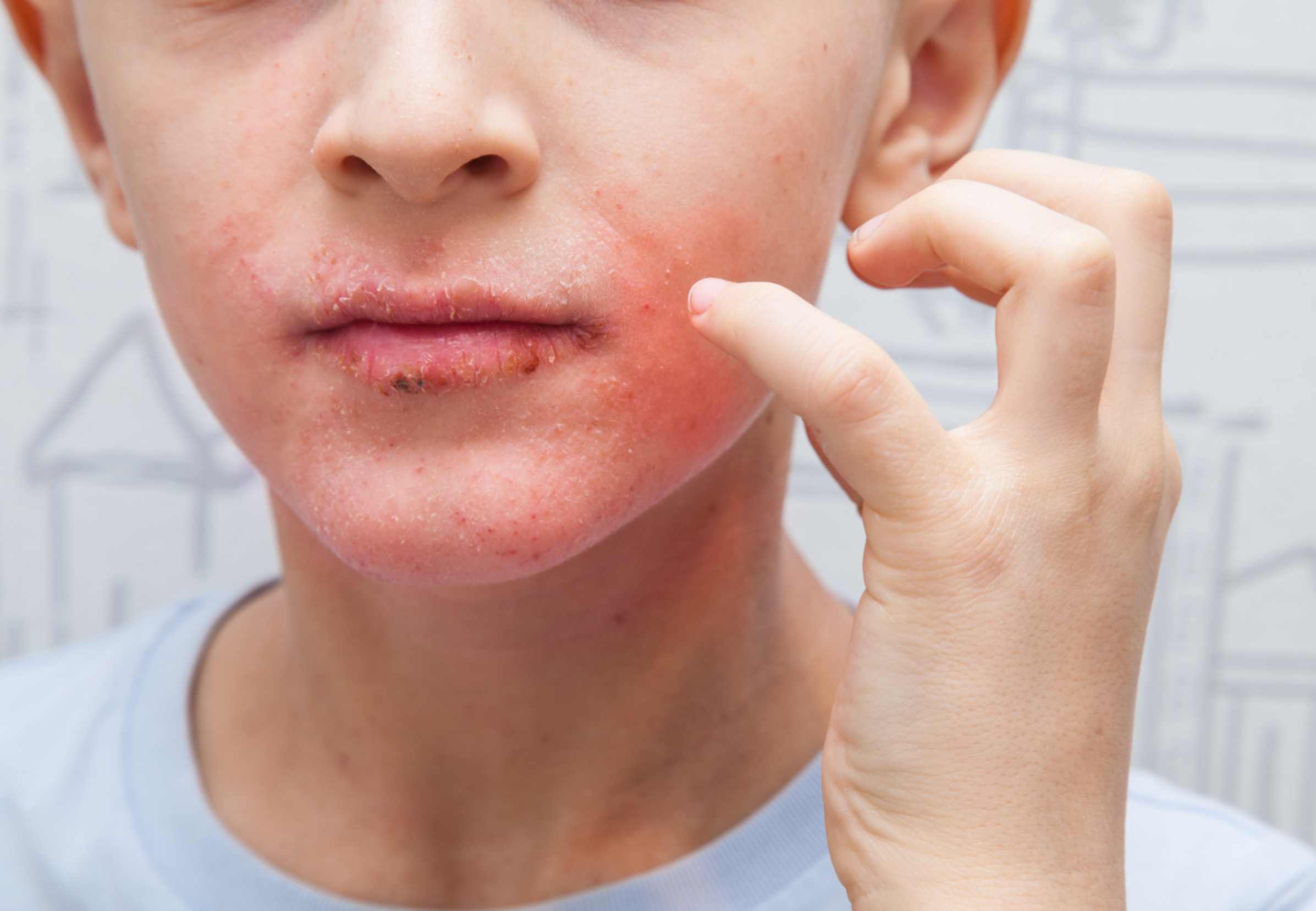
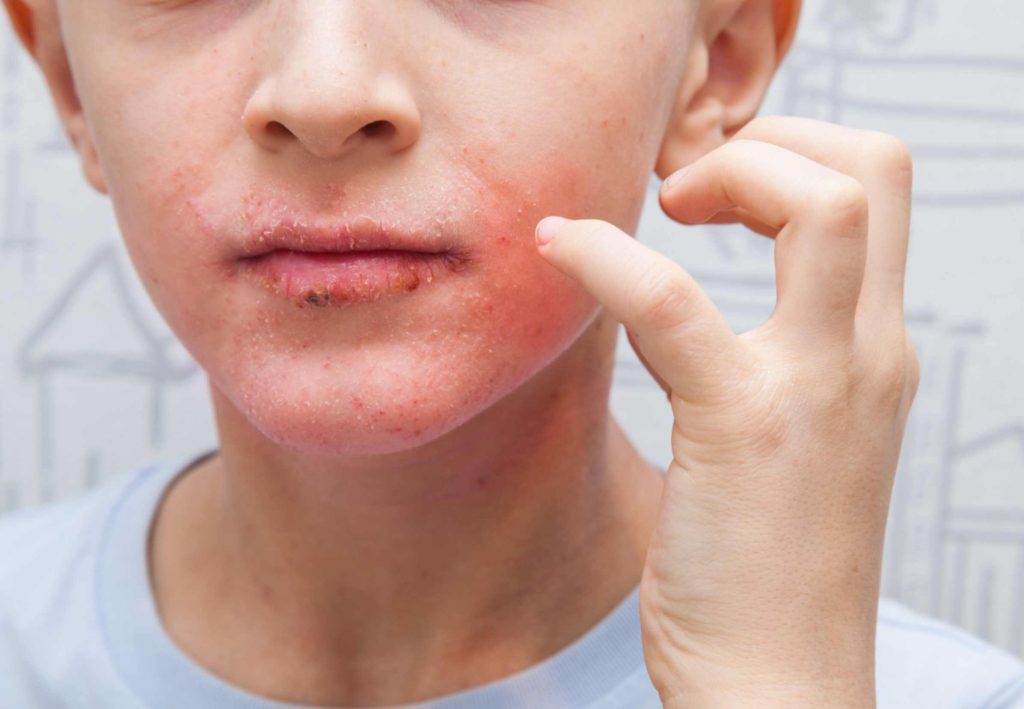
- Red sores that burst and form honey-coloured crusts
- Itchy patches on the skin
- Fluid-filled blisters in some cases
- Sores often around the nose and mouth
Impetigo is usually mild but spreads easily, so early treatment is important to prevent it passing to others.
What is shingles, or zoster?
Shingles, also known as zoster, is a viral infection caused by the same virus that leads to chickenpox.
After someone has had chickenpox, the virus stays inactive in the body. It can reactivate later in life, often due to stress or a weakened immune system. This is why impetigo vs zoster is not just a skin comparison, as the underlying causes are completely different.
Shingles symptoms before rash
One key difference in impetigo vs shingles is how symptoms begin. With shingles, you may notice early warning signs before any rash appears:
- Burning or tingling sensation on one side of the body
- Pain in a specific area
- Sensitivity to touch
- Feeling generally unwell
These shingles symptoms, before the rash, can last a few days before the rash develops.
Impetigo vs shingles rash: how do they look different?
The appearance of the rash is one of the clearest ways to tell the difference between impetigo vs shingles rashes.
Impetigo usually appears as red sores that quickly burst and form a yellow crust. These sores are often found around the face but can spread to other areas.
Shingles, on the other hand, causes a painful rash that appears as clusters of fluid-filled blisters. These blisters usually follow a band on one side of the body and do not cross the midline. The rash is often more painful than itchy.
Is impetigo or shingles contagious?
Both conditions can spread, but in different ways.
Impetigo is highly contagious and can easily pass from person to person through direct contact or shared items.
Shingles is not spread in the same way. You cannot catch shingles from someone else, but the virus can cause chickenpox in someone who has never had it before. This is why contact with the rash should be avoided.
How are impetigo and shingles treated?
Treatment depends on the cause of the condition.
Impetigo is treated with antibiotic creams or tablets, which help clear the bacterial infection quickly.
Shingles treatment focuses on antiviral medicines to reduce the severity and duration of the infection. Pain relief is also important, as shingles can be quite uncomfortable.
Some people may also ask about zoster vaccine side effects when considering prevention. These can include mild reactions such as soreness at the injection site, tiredness, or a slight fever, but serious effects are rare.
When should you seek advice and what should you do next?
If you are unsure whether you are dealing with impetigo vs shingles, it is important to get the right advice early to avoid complications and manage symptoms effectively.
Our pharmacists can help assess your symptoms and guide you on the most suitable treatment. Whether it is managing a contagious skin infection or recognising early shingles symptoms before the rash, timely support can make a big difference.
For people looking for impetigo or shingles treatment locally, Pharmacy To My Door can provide pharmacist-led advice and support. Services are available for patients across Banbury, Bloxham, Chipping Campden, Chipping Norton, Kineton, Moreton-in-Marsh, Stratford-upon-Avon, Warwick Briales, Warwickshire and Wellesbourne, helping you access guidance on the most appropriate next steps for your symptoms.
If you are concerned about a rash or skin changes, do not wait. Speak to our experts and get the reassurance you need. Book a consultation today with Pharmacy To My Door and get personalised advice from our pharmacists.
FAQs
Impetigo usually causes itchy, crusty sores around the mouth or nose, while shingles causes a painful, blistering rash on one side of the body, often with tingling before it appears.
No, impetigo cannot turn into shingles. Impetigo is a bacterial infection, while shingles is caused by the chickenpox virus reactivating in the body.
Shingles can be more serious because it may cause nerve pain and complications, especially in older adults, while impetigo is usually mild and clears with antibiotics.
Impetigo often clears within 7 to 10 days with treatment. Shingles usually lasts 2 to 4 weeks, although pain may continue for longer in some cases.
With impetigo, you should stay home until treatment has started and sores are healing. With shingles, you can go out if the rash is covered, but avoid contact with vulnerable people.
The shingles vaccine reduces the risk and severity of infection but does not guarantee full protection. Some people may still get shingles, but symptoms are usually milder.