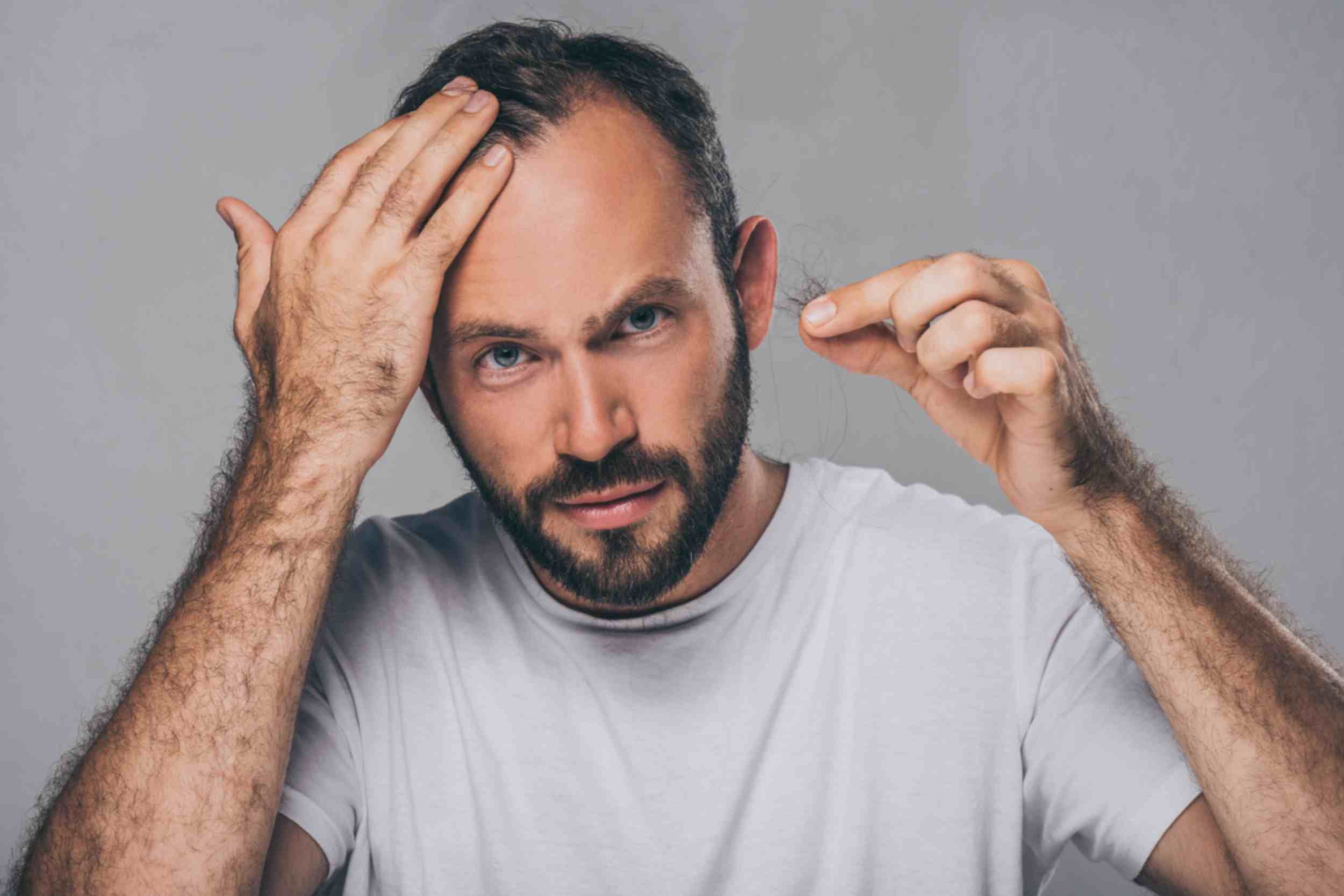
You might have noticed your hair thinning after a particularly stressful time — perhaps following illness, work pressure, or emotional strain. It’s a common experience, and according to the NHS, stress can trigger a temporary type of hair loss known as telogen effluvium.
This condition affects both men and women and often appears a few months after the stressful event. While it can be worrying to see more hair shedding than usual, the positive news is that stress-related hair loss is typically temporary and can often be reversed with the right care and lifestyle changes.
What Is the Link Between Stress and Hair Loss?
Stress and hair loss are closely connected. When you experience high levels of stress or anxiety, it can disrupt your hair’s natural growth cycle. Normally, hair grows, rests, and sheds in balance. However, during prolonged stress, more hairs enter the shedding phase, leading to thinning or patches of hair loss.
Types of Hair Loss Caused by Stress
There are a few different ways stress can affect your hair:
- Telogen effluvium: This is the most common type of hair loss due to stress. It causes more hairs to fall out than usual a few months after a stressful event.
- Alopecia areata: Stress can trigger the immune system to attack hair follicles, leading to sudden bald patches.
- Trichotillomania: This is a stress-related condition where a person feels the urge to pull out their own hair.
In most cases, once the stress is managed, hair regrowth after stress becomes possible over time.
What Are the Symptoms of Hair Loss Due to Stress?
Hair loss due to stress often develops gradually, so you might not notice it right away. Common symptoms include:
- Increased hair shedding when brushing or washing
- Noticeable thinning, especially around the crown or sides
- Patches of hair missing (in alopecia areata)
- Slower hair regrowth or changes in hair texture
If you’ve experienced major stress or illness recently and notice these signs, it’s likely your body is reacting to that stress.
How Long Does Stress-Related Hair Loss Last?
In many cases, stress-related hair loss lasts about three to six months. Once the stress is reduced, your hair usually begins to grow back naturally. However, chronic stress can prolong the shedding and delay regrowth.
How Can You Manage Hair Loss Caused by Stress?
While you can’t always avoid stressful situations, there are effective ways to protect your hair and support recovery.
Focus on Stress Management
Try techniques such as mindfulness, yoga, or regular exercise to help lower stress hormones. Simple daily habits like walking outdoors or deep breathing can make a real difference.
Maintain a Balanced Diet
Eating a variety of foods rich in protein, iron, and vitamins (especially B vitamins and vitamin D) supports healthy hair growth. Drink plenty of water and limit caffeine or processed foods that can worsen stress.
Avoid Harsh Hair Treatments
If your hair is fragile, avoid tight hairstyles, chemical treatments, or excessive heat styling. Give your scalp time to recover with gentle, nourishing shampoos and conditioners.
Speak to Our Pharmacists
Our pharmacists can recommend safe and effective options for hair loss due to stress and anxiety, such as topical treatments, supplements, or scalp care advice. They can also help identify if another condition may be contributing to the issue.
When Should You Seek Expert Advice?
If your hair loss continues for more than six months or you notice bald patches, it’s best to seek advice. Persistent shedding may signal an underlying condition beyond stress.
Our pharmacists are here to help you identify the cause and find the most suitable treatment. Managing stress early not only helps your hair recover but also improves your overall wellbeing.
Take the First Step Toward Healthy Hair
If you’re worried about hair loss due to stress, don’t wait for it to worsen. Speak to our friendly pharmacists for professional advice and support personalised to your needs.
Book a consultation with our pharmacists at Pharmacy To My Door today and take the first step towards restoring your confidence and healthy hair.
FAQs
Yes, hair loss due to stress can often be reversed once your stress levels are managed. Eating a nutrient-rich diet, sleeping well, and caring for your scalp can encourage natural hair regrowth after stress.
Hair regrowth after stress usually begins within three to six months once the stress is reduced. However, recovery time may vary depending on your overall health and lifestyle.
Yes, anxiety can trigger similar hormonal and immune responses that lead to hair loss due to stress and anxiety. Managing anxiety through relaxation techniques can help reduce further shedding.
Early symptoms of hair loss due to stress include excessive hair shedding, thinning at the crown, or more hair falling out when brushing. Some people may also notice a sensitive or itchy scalp.
It’s possible for stress-related hair loss to return if your body faces severe or ongoing stress again. Maintaining a balanced lifestyle and regular self-care can help reduce the chances of recurrence.
Both men and women can experience hair loss from stress, but women often notice diffuse thinning, while men may see more noticeable patches. The underlying cause and treatment, however, are usually similar.