
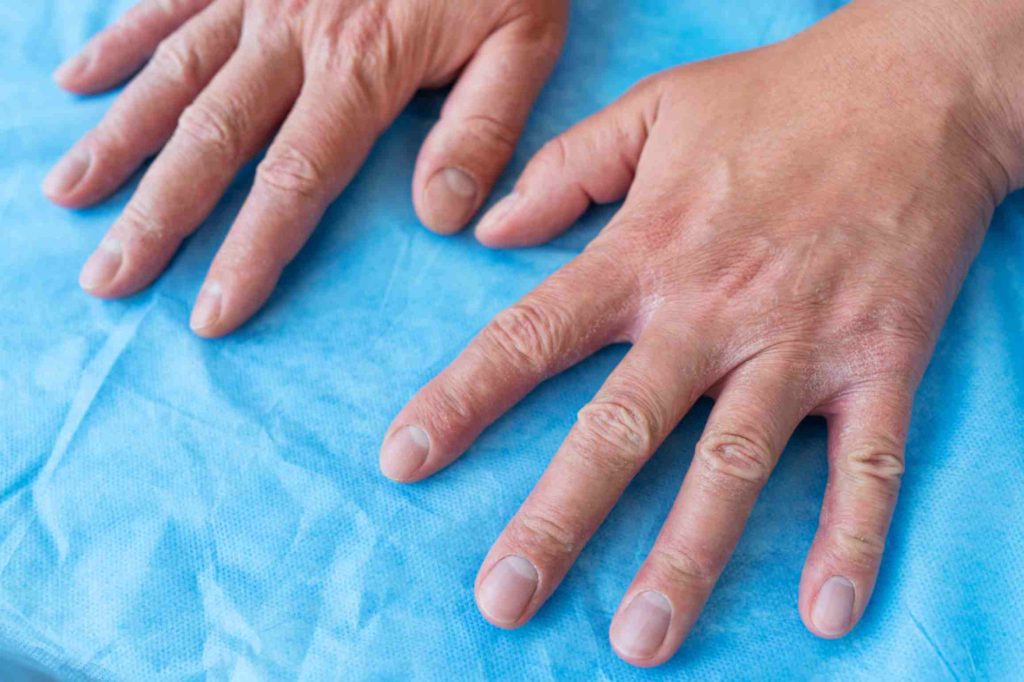
Psoriasis is a long-term skin condition that causes red, dry, and flaky patches on the skin, often covered with silvery scales. These patches can appear anywhere, but they’re most common on the elbows, knees, scalp, and lower back. Psoriasis is not contagious, but it can be uncomfortable, itchy, and sometimes painful.
If you or someone you know is living with psoriasis, it’s important to know that there are many effective ways to manage and treat it. Although there’s no cure, the right care can keep flare-ups under control and improve your quality of life.
Understanding Psoriasis Triggers
Before diving into treatment options, it’s helpful to know what can trigger psoriasis symptoms. Everyone is different, but common triggers include:
- Stress
- Cold weather
- Skin injuries or cuts
- Infections
- Certain medications
- Alcohol and smoking
Identifying and avoiding your personal triggers can play a big role in keeping symptoms at bay.
Psoriasis Management: Daily Habits That Help
Managing psoriasis starts with simple lifestyle changes and skincare habits. Here are a few tips that can make a big difference:
- Moisturise Daily: Dry skin can make psoriasis worse. Use fragrance-free moisturisers regularly to keep your skin hydrated.
- Take Warm Baths: Soaking in a bath with Epsom salts or oatmeal can soothe the skin and help remove scales.
- Avoid Harsh Soaps: Use gentle, non-perfumed cleansers to avoid irritating your skin.
- Protect Your Skin: Wear sunscreen and cover your skin in cold weather to prevent flare-ups.
- Manage Stress: Practice relaxation techniques like yoga or meditation to help reduce stress-related flare-ups.
These habits may not cure psoriasis, but they can reduce discomfort and make treatments more effective.
Medical Treatments for Psoriasis
If your symptoms are moderate to severe, or home care isn’t helping enough, medical treatment may be needed. Several options are available, depending on the type and severity of your psoriasis.
Topical Treatments
These are creams and ointments applied directly to the skin. Common ones include:
- Corticosteroid creams – reduce inflammation and slow down skin cell growth.
- Vitamin D analogues – help flatten plaques and reduce scaling.
- Coal tar preparations – used for scalp psoriasis.
Topical treatments are often the first line of defence and can be very effective for mild to moderate psoriasis.
Phototherapy (Light Therapy)
This involves exposing the skin to controlled amounts of natural or artificial light. It helps to slow down the growth of skin cells. Phototherapy should always be done under medical supervision to avoid skin damage.
Oral and Injected Medications
For severe cases, our expert may prescribe systemic treatments that work throughout the body:
- Methotrexate or ciclosporin – suppress the immune system.
- Biologic injections – target specific parts of the immune system.
These treatments can have side effects and should only be used under the guidance of a healthcare professional.
Can Natural Treatments Help?
Many people also explore natural treatments for psoriasis. While not a replacement for medical care, some find relief from:
- Aloe vera gel – soothes irritation and redness.
- Omega-3 supplements – found in fish oil – may help reduce inflammation.
- Turmeric – thought to have anti-inflammatory properties.
Always check with a pharmacist or GP before trying any new remedy, especially if you’re on medication.
Time to Take Control of Psoriasis!
Struggling with dry, itchy skin or stubborn plaques? Don’t suffer in silence. Our expert pharmacists can help you find the right treatment plan, whether it’s a psoriasis treatment cream, light therapy, or medication. Book an appointment at Pharmacy to My Door today and take the first step towards clearer, healthier skin – personalised care is just a click away!


