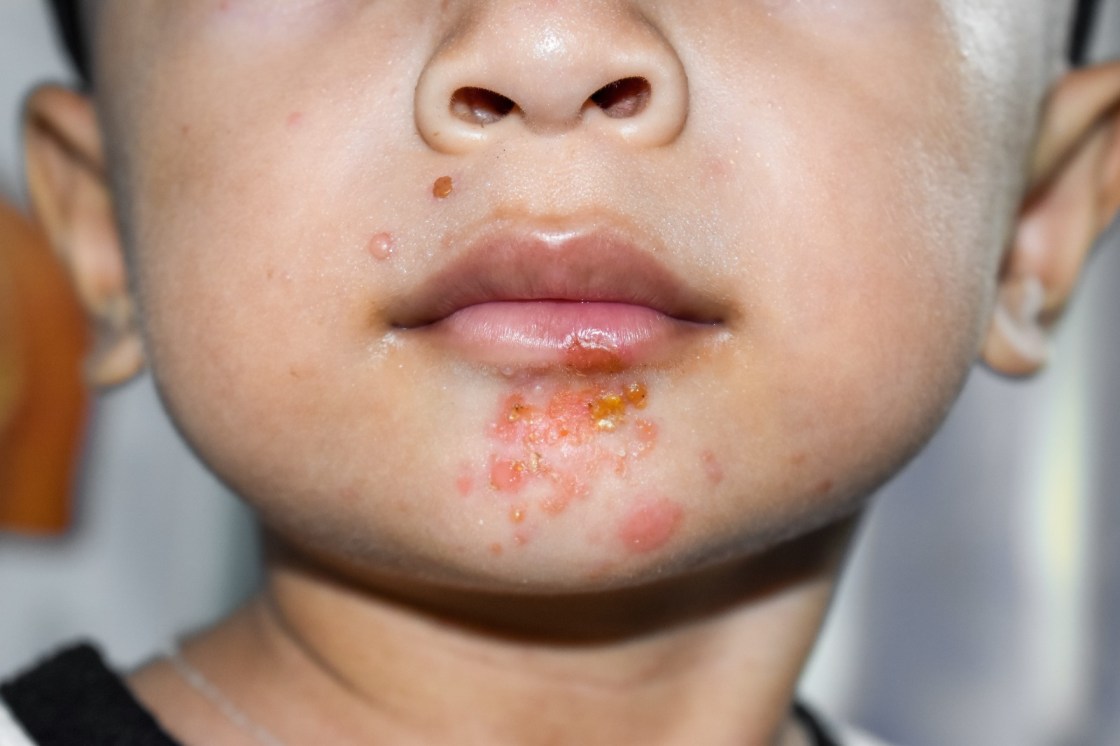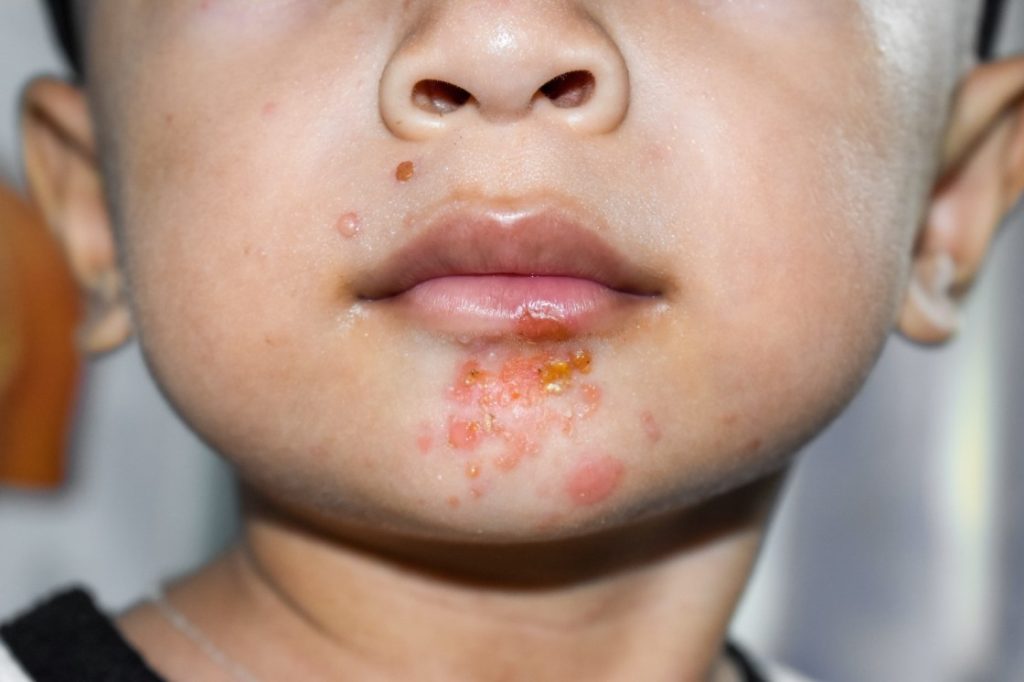
Impetigo is a highly contagious skin infection that mainly affects children but can also occur in adults. It causes red sores that can break open, leaving a honey-coloured crust. While impetigo is not usually serious, it spreads easily through direct contact with infected skin, clothing, or towels. Understanding how to prevent its spread is crucial in managing the condition.
What Causes Impetigo?
Impetigo is caused by bacteria, mainly Staphylococcus aureus and Streptococcus pyogenes. These bacteria enter the skin through cuts, insect bites, or eczema patches, leading to infection. Warm, humid conditions and poor hygiene can increase the risk of developing impetigo.
There are two main types of impetigo:
- Non-bullous impetigo: This is the most common form, causing small, red sores that burst and develop a crust.
- Bullous impetigo: This form is less common but more severe, leading to larger blisters filled with fluid.
Both types of impetigo require treatment to prevent complications and further spread.
Recognising Impetigo Symptoms
To stop impetigo from spreading, early detection is key. Some common impetigo symptoms include:
- Red sores that burst and develop a yellow-brown crust.
- Itchy rash, often appearing around the nose and mouth.
- Fluid-filled blisters that may ooze and spread further.
- Sore or swollen skin around the affected area.
Impetigo on the face is especially common, but it can also appear on the hands, arms, or legs. If you or your child show these symptoms, it’s important to take precautions immediately.
How Does Impetigo Spread?
Impetigo spreads through:
- Direct skin contact with an infected person.
- Sharing towels, bedding, or clothing.
- Touching surfaces contaminated with the bacteria.
- Scratching or picking at the sores, which can transfer bacteria to other areas of the body.
How to Prevent the Spread of Impetigo?
Once you notice signs of impetigo, you should take steps to avoid passing it to others. Here’s what you can do:
Start Treatment Early
Seeking impetigo treatment as soon as symptoms appear can help reduce the risk of spreading the infection. In most cases, a pharmacist or GP may recommend antibiotic creams or, in severe cases, oral antibiotics.
Practise Good Hygiene
- Wash your hands frequently with soap and water.
- Avoid touching the sores to prevent spreading bacteria.
- Keep nails short and clean to stop scratching.
- Wash towels, bed linen, and clothing separately in hot water.
- Disinfect commonly touched surfaces, such as door handles and toys.
Avoid Close Contact
- Keep children with impetigo off school or nursery until 48 hours after starting treatment.
- Avoid sharing personal items like razors, towels, or flannels.
- Cover sores with a loose bandage or dressing to reduce the risk of transmission.
Stop Impetigo in Its Tracks – Get Expert Help Today
Impetigo spreads easily, but with the right care, you can control it and protect others. If you or a loved one has impetigo, don’t wait for it to get worse. Book an appointment with our experienced pharmacists at Pharmacy to My Door for expert advice and effective treatment options. We’re here to help you get back to healthy, rash-free skin quickly and safely.