When your skin becomes red, itchy or flaky, it is easy to assume it is just dryness or irritation. But when the symptoms keep returning or start spreading, it can be difficult to understand what is actually causing the problem. Two conditions that are often confused are psoriasis and eczema.
Although they can look similar at first, psoriasis and eczema are different skin conditions with different triggers, symptoms and treatments. In this article, we explain the difference between psoriasis vs eczema, how to recognise common psoriasis symptoms and eczema symptoms, and what treatment options may help manage each condition.
What Is Psoriasis?
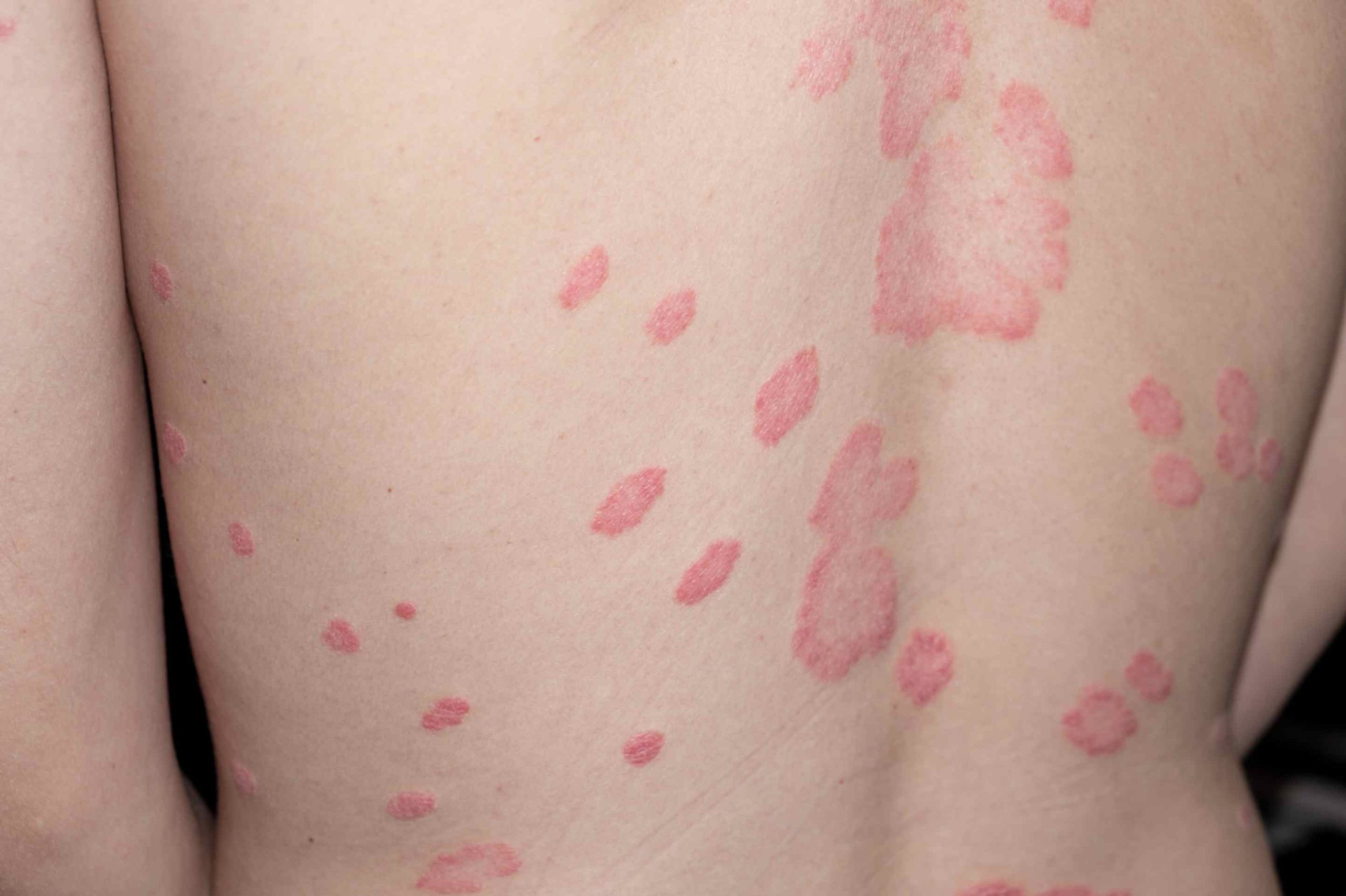
Psoriasis is a long-term skin condition that causes the skin to grow and shed cells much faster than normal. This rapid skin cell turnover leads to thick, scaly patches that can appear on different parts of the body.
Psoriasis symptoms often develop in cycles. The condition may flare up for several weeks or months and then improve for a period of time.
Common psoriasis symptoms include:
- Thick patches of red skin covered with silvery scales.
- Dry or cracked skin that may bleed.
- Itching or burning sensations.
- Sore or tender areas of skin.
- Patches are often found on elbows, knees, scalp and lower back.
Psoriasis is not contagious. It is linked to the immune system and can sometimes run in families.
What Is Eczema?
Eczema is a condition that causes the skin to become dry, itchy and inflamed. It is often linked to skin sensitivity and problems with the skin barrier that normally protects against irritants.
Eczema symptoms may appear at any age but are especially common in children. The condition can flare up when the skin reacts to triggers such as allergens, soaps, weather changes or stress.
Typical eczema symptoms include:
- Dry and irritated skin.
- Intense itching that may worsen at night.
- Red or inflamed patches.
- Small bumps that may leak fluid when scratched.
- Thickened or rough skin after repeated scratching.
Eczema commonly affects areas such as the hands, inside the elbows, behind the knees and the face.
The Difference Between Psoriasis and Eczema
Understanding the difference between psoriasis vs eczema often comes down to how the skin looks and where the symptoms appear.
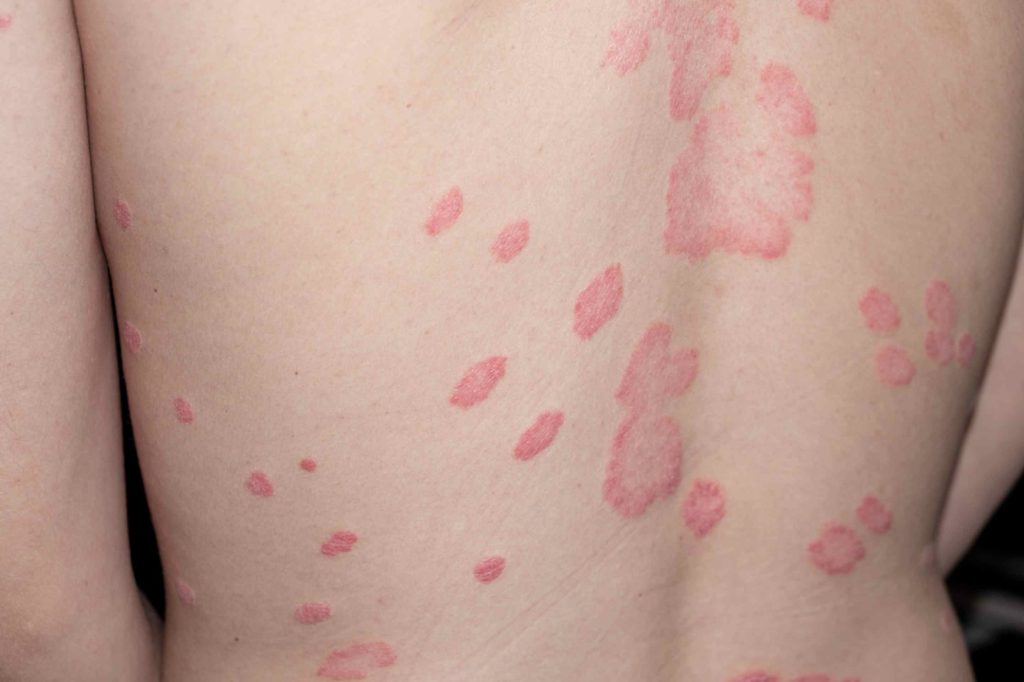
Psoriasis usually causes thick, clearly defined patches with silvery scales. The skin may feel raised and appear more inflamed. These patches often develop on the scalp, elbows, knees and lower back.
Eczema tends to cause dry, itchy skin that may appear red or slightly swollen. The itching can be very intense, and scratching can lead to broken skin or small fluid-filled bumps.
| Feature | Psoriasis | Eczema |
| Skin appearance | Thick, scaly plaques | Dry, inflamed skin |
| Patch definition | Sharply defined patches | Less clearly defined patches |
| Itching level | Mild to moderate itching | Severe itching is common |
| Common locations | Often appears on outer joints such as elbows and knees, and on the scalp | Often appears in skin folds such as inside the elbows and behind the knees |
Because symptoms can overlap, it is sometimes difficult to identify the condition without professional advice.
What Are the Best Psoriasis Treatment Options?
Psoriasis treatment aims to reduce inflammation, slow down skin cell growth and relieve symptoms. The treatment plan may depend on how severe the condition is and which areas of the body are affected.
Common psoriasis treatment options include:
- Medicated creams or ointments to reduce inflammation.
- Moisturisers to prevent dryness and cracking.
- Light therapy for more persistent cases.
- Prescription treatments when symptoms are severe.
Managing triggers such as stress or skin injury can also help reduce flare-ups.
Eczema Treatment Options That Can Help Manage Symptoms
Eczema treatment focuses on repairing the skin barrier and controlling itching and inflammation. Keeping the skin hydrated is one of the most important steps in managing the condition.
Typical eczema treatment options include:
- Regular use of emollients or moisturising creams.
- Anti-inflammatory creams for flare-ups.
- Avoiding triggers such as harsh soaps or allergens.
- Gentle skincare routines to protect the skin barrier.
With the right care, many people are able to keep eczema symptoms under control and reduce the frequency of flare-ups.
Speak With Our Pharmacists for Personalised Skin Advice
If you are unsure whether you are dealing with psoriasis or eczema, professional guidance can help you understand your symptoms and choose the most suitable treatment.
Our pharmacists can assess your symptoms, recommend suitable psoriasis treatment or eczema treatment options and guide you on managing flare-ups safely.
Book a consultation with Pharmacy To My Door today to speak with one of our trained pharmacists and get personalised advice for your skin concerns.
FAQs
Psoriasis usually causes thick, raised patches with silvery scales on areas such as the elbows, knees and scalp. Eczema typically causes very itchy, dry skin that appears red and inflamed, often in skin folds.
Eczema is usually more itchy than psoriasis. People with eczema often experience intense itching that may worsen at night, while psoriasis tends to cause thicker, scaly patches with milder itching.
No, eczema cannot turn into psoriasis. They are separate skin conditions with different causes. Psoriasis is linked to immune system activity, while eczema is usually related to skin sensitivity and barrier problems.
Yes, it is possible to have both psoriasis and eczema, although it is uncommon. Some people may develop symptoms of both conditions in different areas of the body, which may require different treatment approaches.
Psoriasis flare-ups may be triggered by stress, infections or skin injuries. Eczema flare-ups are often caused by irritants such as soaps, allergens, cold weather or dry skin that weakens the skin barrier.
Psoriasis treatment may include medicated creams, light therapy or prescription medicines to slow skin cell growth. Eczema treatment usually focuses on moisturisers, anti-inflammatory creams and avoiding triggers that irritate the skin.