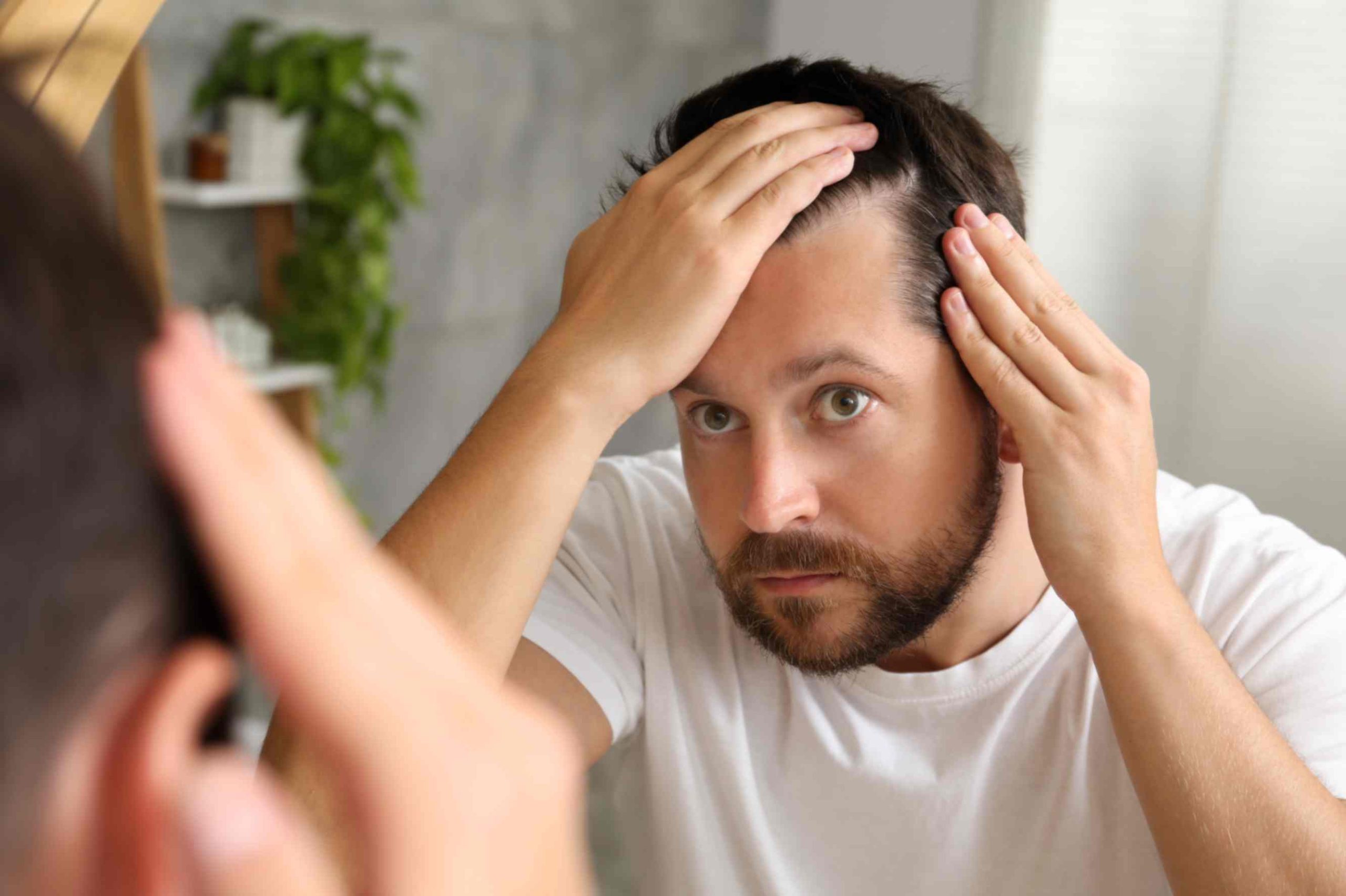
Is your hair starting to feel thinner than it used to, even though you are not noticing large amounts falling out? This is a common concern, and it often leaves people wondering whether they are dealing with hair thinning or actual hair loss.
Understanding the difference between hair thinning vs. hair loss is important because the two can look similar at first but develop in different ways. Hair thinning usually happens gradually and affects the overall volume of your hair, while hair loss often involves more noticeable shedding or visible patches.
Recognising the difference can help you identify the first signs of hair thinning, understand possible hair thinning causes and hair loss causes, and take early steps to protect your hair. In this blog, we explain the key differences, the early signs of thinning hair to watch for, and how to stop hair loss and thinning with the right hair loss treatments.
What Is the Difference Between Hair Thinning and Hair Loss?
Hair thinning and hair loss both affect the amount of hair on your scalp, but they happen in different ways.
Hair thinning usually develops slowly over time. Individual strands become weaker, and the overall density of hair reduces gradually. This means your scalp may start to show through, particularly along the parting or crown.
Hair loss tends to be more noticeable. You may experience sudden shedding, excessive hair in your brush or shower drain, or visible bald patches.
| Feature | Hair Thinning | Hair Loss |
| Pattern of change | Gradual reduction in hair density over time | Sudden or excessive shedding of hair |
| Hair strand condition | Hair strands become finer and weaker | Hair strands fall out in larger amounts |
| Effect on the scalp | Often affects the crown or hairline slowly with reduced volume | Can lead to visible patches or a receding hairline |
Understanding the hair thinning vs hair loss difference helps determine which treatment approach may be most suitable.
What Are the First Signs of Hair Thinning?
The first signs of hair thinning can be subtle and easy to overlook. Many people only notice it once the thinning becomes more visible.
Early signs of thinning hair often include:
- A wider hair parting.
- Less volume when styling your hair.
- Hair feeling finer or weaker.
- More scalp visibility under bright light.
- Reduced hair thickness in ponytails or braids.
These early signs of thinning hair may appear gradually, especially in people experiencing hormonal changes or genetic hair thinning.
Spotting these signs early can help you take steps to protect your hair health before further thinning occurs.
Understanding Hair Thinning and Hair Loss Causes
Hair thinning and hair loss causes vary from person to person. In many cases, several factors may contribute to the problem.
Some of the most common hair thinning causes and hair loss causes include:
- Hormonal changes: Hormones can influence the hair growth cycle. Conditions such as androgenetic alopecia often lead to progressive thinning.
- Stress: High levels of physical or emotional stress can trigger temporary hair shedding known as telogen effluvium.
- Nutritional deficiencies: Low levels of iron, vitamin D, or protein can affect hair growth and strength.
- Ageing: Hair naturally becomes finer and less dense as we age.
- Medical conditions: Certain scalp conditions or underlying health issues may affect the hair follicles.
- Medications: Some medicines may cause hair shedding as a side effect.
Understanding the underlying cause is important because it determines the most effective approach to treatment.
How to Stop Hair Loss and Thinning
Learning how to stop hair loss and thinning often involves addressing the underlying cause while supporting healthy hair growth.
Some helpful steps include:
- Improve your diet: Eating a balanced diet rich in protein, iron, zinc, and vitamins supports hair health.
- Manage stress: Relaxation techniques and better sleep can help regulate the hair growth cycle.
- Gentle hair care: Avoid excessive heat styling, tight hairstyles, or harsh chemical treatments.
- Early professional advice: Speaking with qualified professionals can help identify potential triggers and suitable treatment options.
Making these changes early can slow the progression of thinning and help maintain stronger hair.
Hair Loss Treatments That May Help
Hair loss treatments can vary depending on the type and cause of hair loss or thinning.
Common treatment approaches may include:
- Medicated hair treatments that stimulate hair growth.
- Scalp treatments that support follicle health.
- Nutritional supplements for deficiencies.
- Lifestyle changes that improve overall hair health.
Our pharmacists and trained experts can help assess your symptoms and recommend options that may suit your needs. The right treatment often depends on how early the problem is identified.
Worried About Changes in Your Hair?
If you are concerned about hair thinning or increased hair shedding, it is worth getting advice early. Understanding the difference between hair thinning vs. hair loss can make it easier to find the right solution before the issue progresses.
At Pharmacy To My Door, our pharmacists can help you understand possible causes and guide you through suitable hair loss treatments. Book a consultation today to speak with our pharmacists and explore the options that may support healthier hair growth.
FAQs
Hair thinning happens gradually and makes hair appear less dense or finer over time. Hair loss usually involves noticeable shedding, a receding hairline, or bald patches. If your hair feels thinner but is not falling out in large amounts, it is more likely hair thinning rather than hair loss.
The first signs of hair thinning often include a wider hair parting, reduced volume when styling, and more visible scalp under bright lighting. You may also notice your ponytail feels thinner or that individual strands appear weaker and finer than before.
Hair thinning causes and hair loss causes can include genetics, hormonal changes, stress, ageing, poor nutrition, and certain health conditions. These factors can disrupt the natural hair growth cycle or weaken hair follicles, leading to gradual thinning.
Hair thinning is not always permanent. In many cases it can improve once the underlying cause is identified and addressed. For example, hair thinning linked to stress, nutritional deficiencies, or hormonal changes may improve with the right treatment and lifestyle adjustments.
It is normal to lose around 50 to 100 strands of hair per day as part of the natural hair growth cycle. However, if you notice excessive shedding, sudden thinning, or visible patches of hair loss, it may indicate an underlying issue that needs attention.
Hair loss treatments depend on the cause but may include medicated treatments that stimulate hair growth, scalp treatments that support hair follicles, nutritional supplements, and lifestyle changes.