
Noticing thick flakes in your hair that do not improve with regular shampoo can be frustrating, especially when the itching starts to interfere with your day. It can feel uncomfortable in social situations, and even simple things like brushing your hair or wearing dark clothes may become a concern. For many people in the UK, this is where scalp psoriasis begins to show itself, often without warning.
Understanding the cause of scalp psoriasis and recognising early scalp psoriasis symptoms can help you take control before it worsens. With the right scalp psoriasis treatment and support from our pharmacists, it is possible to manage flare-ups more effectively and feel more comfortable in your own skin again.
What is scalp psoriasis, and how does it affect the skin?
Scalp psoriasis is a long-term condition where skin cells build up more quickly than normal, leading to visible flakes and irritation on the scalp.
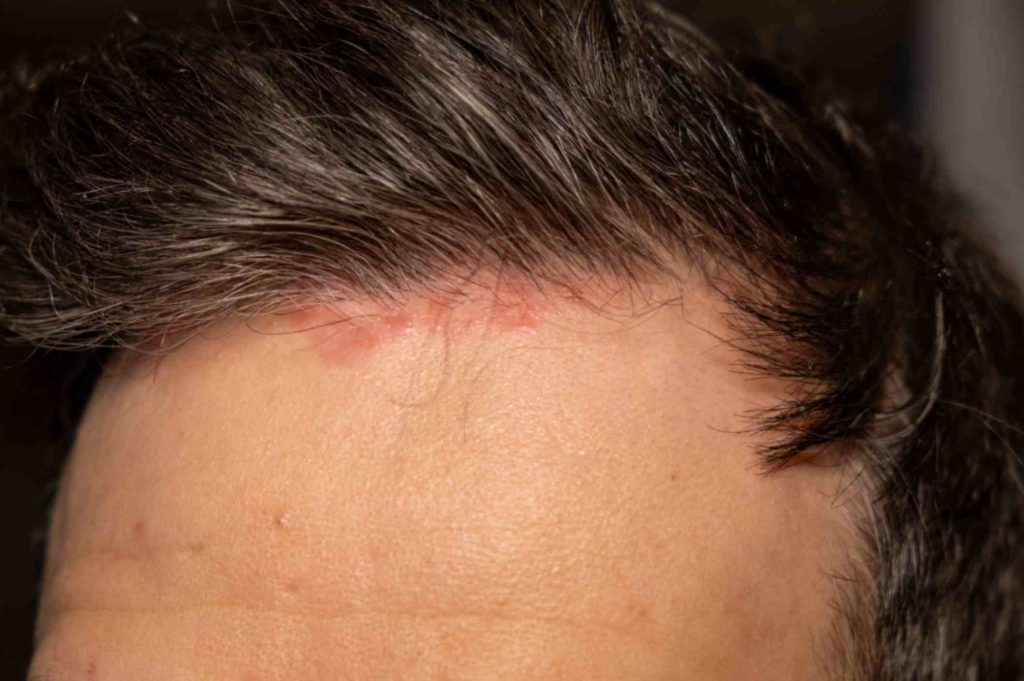
Unlike simple dandruff, scalp psoriasis symptoms can include red patches, silvery scales, and persistent itching. In some cases, the condition may extend beyond the hairline to the forehead, neck, or behind the ears.
The severity can vary. Some people experience mild flaking, while others may have thicker plaques that can crack or bleed if irritated.
What causes psoriasis on the scalp?
The exact cause of scalp psoriasis is not fully understood, but it is linked to the immune system and genetics.
When looking at what causes psoriasis, the body’s immune system mistakenly speeds up the production of skin cells. Instead of shedding naturally, these cells build up on the surface of the skin.
Several triggers may make symptoms worse, including:
- Stress.
- Cold weather.
- Skin injuries or irritation.
- Certain medications.
- Illness or infections.
Understanding what causes psoriasis can help you manage flare-ups more effectively and reduce discomfort over time.
Common scalp psoriasis symptoms to look out for
Scalp psoriasis symptoms often develop gradually and may be mistaken for other scalp conditions at first.
Typical signs include:
- Thick, scaly patches on the scalp.
- Flaking that looks similar to dandruff but is often heavier.
- Itching or burning sensations.
- Dry scalp that may crack or bleed.
- Temporary hair shedding in affected areas.
If symptoms persist or worsen, it is important to seek advice so the condition can be managed properly.
Is psoriasis contagious, and can it spread?
Psoriasis is not contagious and cannot be passed from one person to another.
Many people worry and ask, ‘Is psoriasis contagious?’ especially when visible patches appear. It is important to understand that this condition is not caused by infection and cannot spread through touch, sharing items, or close contact.
However, the condition itself can spread on your own scalp if not managed, meaning patches may grow or appear in new areas.
What are the best scalp psoriasis treatment options available in the UK?
Scalp psoriasis treatment focuses on reducing inflammation, slowing skin cell growth, and relieving symptoms.
There are several approaches to psoriasis scalp treatment depending on how severe the condition is:
- Medicated shampoos to help remove scales and reduce irritation.
- Topical treatments such as lotions or gels applied directly to the scalp.
- Prescription treatments for more persistent or severe cases.
- Moisturising products to keep the scalp hydrated and reduce dryness.
Consistency is key when following any scalp psoriasis treatment plan. It may take time to see improvement, but regular use can help manage flare-ups more effectively.
Our pharmacists can assess your symptoms and recommend a suitable scalp psoriasis treatment based on your individual needs.
Take control of your scalp health with expert support
Managing scalp psoriasis becomes easier when you have the right guidance and treatment plan in place.
If you are struggling with ongoing symptoms or are unsure about the best scalp psoriasis treatment for you, support is available. Early advice can help prevent symptoms from worsening and improve your comfort.
Book a consultation to speak with our pharmacists at Pharmacy To My Door and get personalised advice on managing scalp psoriasis effectively.
FAQs
The main cause of scalp psoriasis is an overactive immune system that speeds up skin cell production. This leads to a build-up of cells on the scalp, forming thick, scaly patches. Genetics and triggers like stress or illness can also play a role.
Scalp psoriasis usually causes thicker, silvery scales and red patches, while dandruff tends to be lighter and less inflamed. Scalp psoriasis symptoms may also include itching, soreness, and patches that extend beyond the hairline.
The best scalp psoriasis treatment depends on the severity of your symptoms. Common options include medicated shampoos, topical treatments, and prescription products.
Scalp psoriasis is a long-term condition, so it may not go away permanently. However, with the right scalp psoriasis treatment, symptoms can be well managed, and flare-ups can become less frequent and less severe.
No, psoriasis is not contagious. It cannot spread through touching the scalp, sharing hair products, or close contact. If you are wondering if psoriasis is contagious, the answer is no, as it is an immune-related condition, not an infection.
Common scalp psoriasis triggers include stress, cold weather, skin irritation, infections, and certain medications. Understanding what causes psoriasis flare-ups can help you avoid triggers and manage symptoms more effectively.


