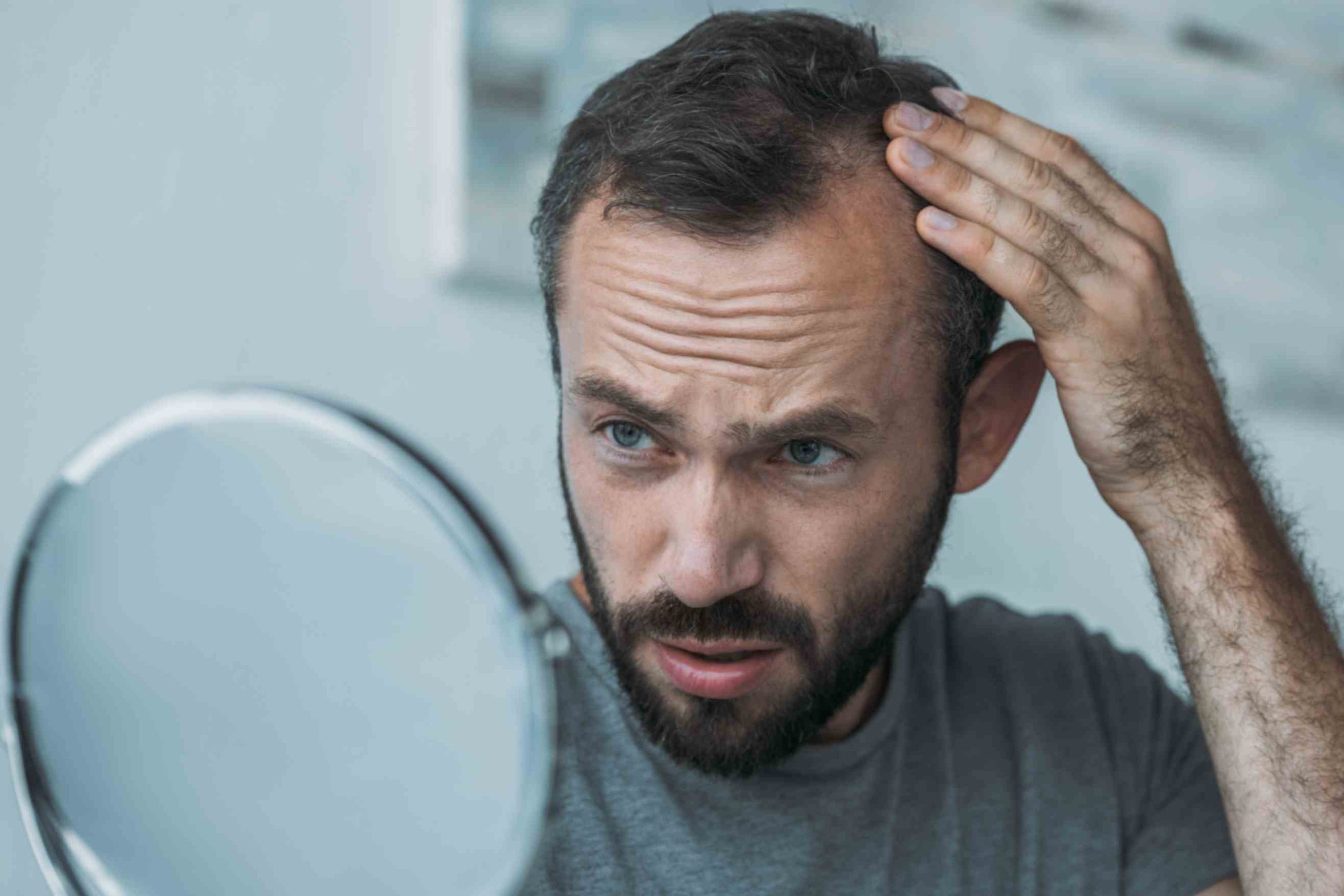
At first, it does not feel like a problem. Your hair looks slightly flatter, your parting a bit wider, or your usual style does not sit the same way it used to. These small changes are easy to brush off, especially when they happen gradually and without any discomfort or pain.
But these subtle shifts are often the early signs of hair loss. Catching them early can make a real difference. Understanding what is behind these changes allows you to take the right steps, explore suitable treatment, and find ways to prevent hair loss before it becomes more noticeable and harder to manage.
What are the early signs of hair loss?
The early signs of hair loss usually appear subtly and develop over time rather than suddenly.
You may notice:
- More hair than usual on your pillow or in the shower.
- A widening parting or thinning around the crown.
- Receding hairline, especially around the temples.
- Hair that feels finer or weaker than before.
- Slower hair growth or uneven thickness.
These hair loss symptoms can vary from person to person. Some people may also experience itching or flaking, especially if scalp conditions like seborrhoeic dermatitis are involved.
What causes hair loss?
Hair loss causes can differ depending on lifestyle, health, and genetics.
Common causes include:
- Genetics, which is the most common reason for gradual thinning.
- Hormonal changes such as after pregnancy or during menopause.
- Stress, which can trigger temporary shedding.
- Poor nutrition, especially lack of iron or protein.
- Scalp conditions like seborrhoeic dermatitis that cause inflammation.
- Medical conditions or medications that affect hair growth cycles.
Understanding the cause is important because it helps guide how to stop hair loss effectively rather than relying on guesswork.
How does seborrhoeic dermatitis affect your hair?
Seborrhoeic dermatitis can contribute to hair thinning by irritating the scalp and disrupting healthy hair growth.
This condition often causes:
- Red, inflamed skin.
- Greasy or flaky patches.
- Persistent itching.
When the scalp is inflamed, hair follicles may weaken, leading to increased shedding. Managing this condition early can help prevent further hair loss and support healthier regrowth.
How to stop hair loss early with the right treatment approach?
Knowing how to stop hair loss starts with addressing the root cause and supporting overall hair health.
Some practical steps include:
- Maintaining a balanced diet rich in vitamins and minerals.
- Reducing stress through regular exercise or relaxation techniques.
- Using gentle hair care products that do not irritate the scalp.
- Avoiding tight hairstyles that pull on the hair.
- Treating scalp conditions like seborrhoeic dermatitis promptly.
Early action can often slow or even reverse certain types of hair thinning, especially when combined with professional advice.
What is the best treatment for hair loss in the UK?
The best treatment for hair loss depends on the underlying cause and severity of the condition.
Some good options may include:
- Topical treatments that support hair regrowth.
- Medicated shampoos for scalp conditions.
- Oral treatments where appropriate.
- Lifestyle and dietary changes to strengthen hair.
Our pharmacists can assess your hair loss symptoms and recommend suitable treatment options personalised to your needs. Getting custom advice ensures you are using the right approach rather than trying multiple ineffective solutions.
How to prevent hair loss in the long term?
To prevent hair loss, consistency in care and early intervention are key.
You can help protect your hair by:
- Keeping your scalp clean and healthy.
- Managing conditions like seborrhoeic dermatitis early.
- Eating a nutrient-rich diet.
- Avoiding excessive heat styling or harsh chemicals.
- Monitoring any changes in hair thickness or shedding.
Preventative care is often overlooked, but it plays a crucial role in maintaining strong and healthy hair over time.
Take control of your hair health today
Noticing early signs of hair loss can feel unsettling, but taking action early can make a real difference. Understanding hair loss causes, recognising symptoms, and choosing the right treatment can help you regain confidence and control.
If you are unsure about your symptoms or want guidance on how to stop hair loss effectively, our pharmacists are here to help. Book a consultation with Pharmacy To My Door today and take the first step towards healthier, stronger hair.
FAQs
It is normal to lose some hair daily, but if you notice increased shedding, thinning patches, or a widening parting, these could be early signs of hair loss. Persistent changes should be assessed early to identify the cause.
Seborrhoeic dermatitis does not usually cause permanent hair loss, but it can lead to temporary shedding if the scalp is inflamed. Treating the condition early helps restore a healthy scalp and supports regrowth.
There is no instant solution, but the most effective way to stop hair loss is to identify the cause and start targeted treatment. This may include medicated products, lifestyle changes, and professional guidance.
Hair loss is commonly linked to low levels of iron, vitamin D, and vitamin B12. A balanced diet or supplements, if needed, can help improve hair strength and reduce shedding.
The best treatment for hair loss depends on the cause. Options may include topical treatments, oral medications, or medicated shampoos. Our pharmacists can help recommend the most suitable option based on your symptoms.
Yes, stress can trigger a type of hair shedding known as telogen effluvium. This is usually temporary, and hair often grows back once stress levels are managed and overall health improves.