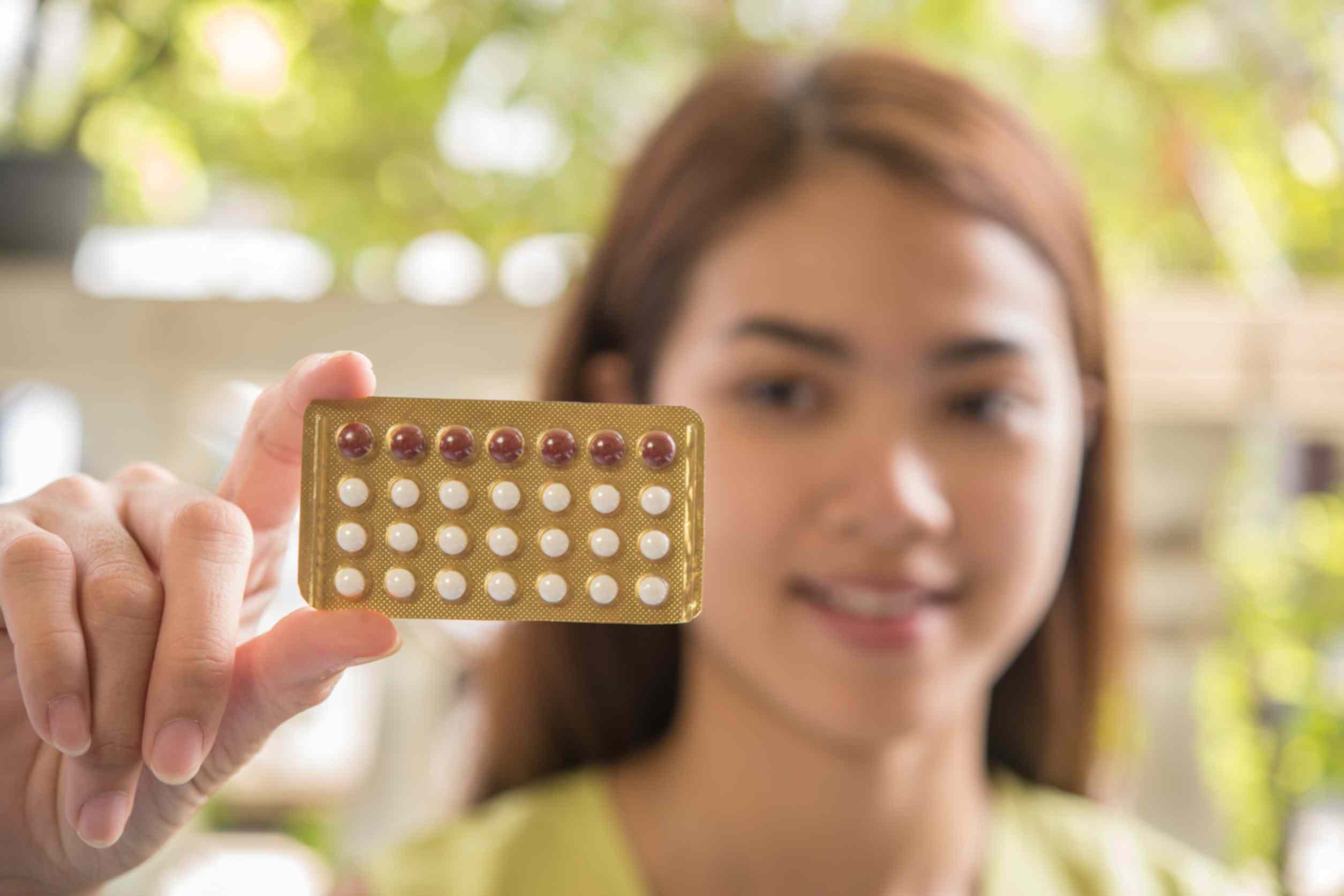
Emergency contraception is one of those things that tends to be needed urgently, which is exactly when people have the least time to research it properly. This article sets out the key information clearly, so that if you ever need it, you already understand how it works, what the options are, and what to consider before taking it.
Speed matters. The sooner emergency contraception is taken after unprotected sex, the more effective it is. If you need it now, the priority is getting it quickly. This article is here to help you understand what you are taking.
What Is the Morning After Pill?
The morning-after pill is a form of emergency contraception taken after unprotected sex to reduce the risk of pregnancy. Despite its name, it does not have to be taken the morning after; it can be taken within a defined timeframe, depending on the type, and the name is simply a commonly used term.
There are two types of oral emergency contraceptive pills available in the UK. Both work primarily by delaying or preventing ovulation. They are not abortion pills; they do not end an established pregnancy. If a fertilised egg has already implanted in the womb, it will not be effective.
The Two Types of Emergency Contraception Pill: What Is the Difference?
The table below compares the two oral options currently available in the UK:
| Feature | Levonorgestrel (e.g. Levonelle) | Ulipristal acetate (e.g. ellaOne) |
| Time window | Up to 72 hours (3 days) after unprotected sex | Up to 120 hours (5 days) after unprotected sex |
| Effectiveness (if taken promptly) | Most effective within 24 hours; decreases over time | Maintains effectiveness across the full 5-day window |
| Available without prescription? | Yes, from a pharmacy | Yes, from a pharmacy |
| Body weight considerations | May be less effective in women over approximately 70 kg | Recommended as the first choice for women over 70 kg or with a BMI over 26 |
| Breastfeeding | Generally considered safe; some guidance suggests a short pause | Not recommended during breastfeeding; pause advised |
| Effect on ongoing contraception | Can be taken alongside; no interaction with hormonal contraception | May reduce effectiveness of hormonal contraception; barrier method advised for 7 days |
A pharmacist will ask you a few brief questions to help identify the most appropriate option for your situation. This is a routine part of the supply process, not an obstacle to access, and the information you provide is confidential.
How Effective Is the Morning After Pill?
Used correctly and promptly, the morning-after pill is effective at preventing pregnancy in the majority of cases. However, it is not 100 per cent effective, and its effectiveness decreases the longer it is left after unprotected sex.
Levonorgestrel is estimated to prevent around 95 per cent of pregnancies when taken within 24 hours, falling to around 58 per cent if taken between 48 and 72 hours. Ulipristal acetate maintains higher effectiveness throughout its full five-day window and is generally considered the more effective option overall, particularly later in the window or for women with higher body weight.
Neither option offers any protection against sexually transmitted infections (STIs). If there is a concern about STI exposure, a sexual health clinic can advise on testing.
Morning After Pill Side Effects: What to Expect
Most women tolerate emergency contraception without significant problems, but side effects can occur. The most commonly reported morning-after pill side effects include:
- Nausea, which is more common with levonorgestrel, if vomiting occurs within two hours of taking the pill, seek advice from a pharmacist, as a repeat dose may be needed
- Headache
- Dizziness or fatigue
- Breast tenderness
- Abdominal pain or discomfort
- Changes to your next period, which may arrive earlier or later than expected, and may be heavier, lighter, or more painful than usual
These side effects are generally short-lived. If your next period is more than seven days late, or is significantly lighter than expected (which can sometimes occur after emergency contraception even if pregnancy has not been prevented), it is worth taking a pregnancy test or speaking to your GP.
Does Body Weight Affect How Well It Works?
Yes, and this is an important point that is not always clearly communicated. Evidence suggests that levonorgestrel may be less effective in women above approximately 70 kg in weight or with a BMI above 26. If this applies to you, ulipristal acetate is the recommended first choice.
The pharmacist supplying emergency contraception will ask about your weight as part of the brief consultation. This is to ensure you receive the most appropriate option, not to judge or delay access. Being honest about your weight means you get the treatment most likely to work for you.
What About Drug Interactions?
Certain medications can reduce the effectiveness of the morning-after pill. These include:
- Some epilepsy medicines
- Rifampicin (an antibiotic used for tuberculosis and some other infections)
- St John’s Wort, a herbal remedy sometimes used for low mood
- Some HIV medicines
- Some medicines are used for fungal infections
If you take any of these, tell the pharmacist before they supply emergency contraception, as a different approach may be recommended. In some cases, a copper intrauterine device (IUD) is a more effective option and can be inserted up to five days after unprotected sex by a suitably trained clinician.
What Happens After You Take It?
After taking emergency contraception, your next period may be different to usual. As mentioned above, it might arrive earlier or later, and the flow may change. This is normal and does not necessarily indicate a problem.
If you are using hormonal contraception regularly and took ulipristal acetate, use additional barrier contraception, such as condoms, for the next seven days. Ulipristal acetate can interact with hormonal contraception and reduce its effectiveness temporarily.
Emergency contraception is not intended as a regular form of contraception. If you find yourself needing it more than occasionally, it is worth speaking to a pharmacist or a GP about longer-term contraceptive options that better suit your circumstances.
How Pharmacy To My Door Can Help
Emergency contraception needs to be accessed quickly, and that means going to a local pharmacy in person in the first instance, as it is a time-critical situation. At Pharmacy To My Door, our focus is on repeat prescription management and delivery, but our GPhC-registered pharmacy team is always happy to answer questions about any medication, including emergency contraception, and to signpost you to the right service if needed.
If you are looking to discuss ongoing contraception options or need a repeat prescription for any regular medication managed through our pharmacy, we are here to help.
Questions about your contraception or other regular medication? Book an appointment with our pharmacy team today. We deliver NHS and private prescriptions free across the UK.
This article is for informational purposes only and does not constitute medical or pharmaceutical advice. Emergency contraception is time-critical. If you need it now, contact a local pharmacy or sexual health service as soon as possible. For ongoing contraception advice, speak to your GP or a qualified healthcare professional.
Frequently Asked Questions (FAQ’s)
As soon as possible after unprotected sex. Levonorgestrel must be taken within 72 hours (3 days) and is most effective within the first 24 hours. Ulipristal acetate can be taken within 120 hours (5 days) and maintains a more consistent level of effectiveness across that window. Do not wait to see if your period arrives; take emergency contraception promptly if you need it.
Yes, in many cases. Emergency contraception is available free of charge from sexual health clinics, some GPs, and some pharmacies under NHS arrangements. Not all pharmacies offer it free, so it is worth calling ahead. It can also be purchased at a pharmacy if you prefer not to wait for a free supply.
No. No evidence suggests that emergency contraception affects long-term fertility. It works by temporarily delaying or preventing ovulation and does not have any lasting effect on your reproductive system. Your fertility returns to normal after taking it.
It can be taken more than once in the same cycle if necessary, though it is not recommended as a regular form of contraception. If you find yourself needing emergency contraception frequently, it is worth speaking to a pharmacist or GP about a more reliable ongoing method of contraception that fits your lifestyle.
No. Emergency contraception only reduces the risk of pregnancy; it offers no protection against sexually transmitted infections. If you are concerned about STI exposure, contact a sexual health clinic for advice on testing.