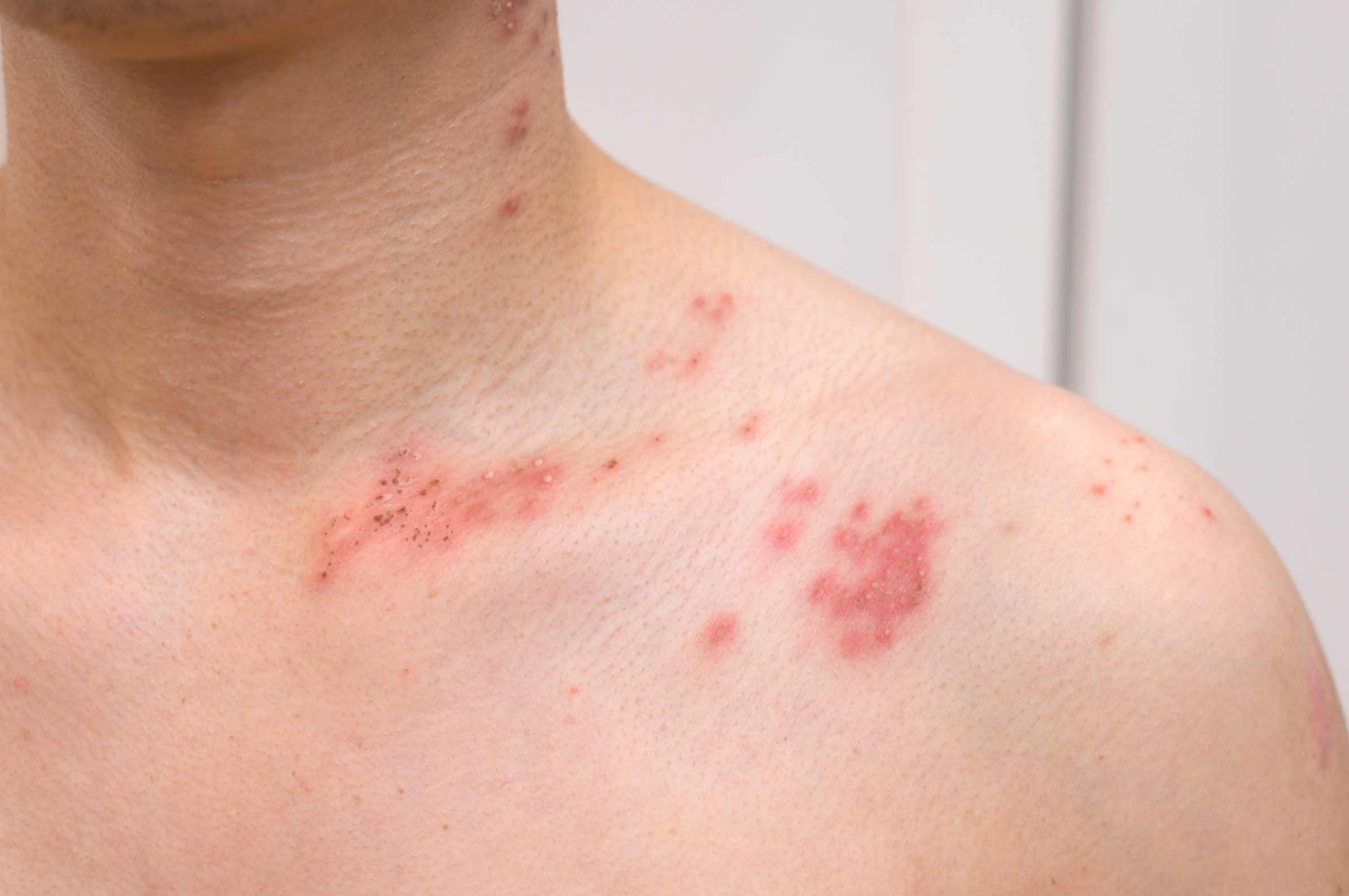
Shingles is commonly associated with older age, and the risk does increase significantly as we get older. But the idea that it only affects the elderly is a persistent misconception. Shingles can occur in anyone who has previously had chickenpox, which means that in practice, it can affect people of any age, including young adults and occasionally even children.
Recognising the early warning signs of shingles is important at any age, because antiviral treatment is most effective when started promptly. This article explains what shingles is, who is at risk, what the early symptoms look like, and what your treatment options are.
What Is Shingles and What Causes It?
Shingles (herpes zoster) is caused by the varicella-zoster virus, the same virus that causes chickenpox. After a chickenpox infection, the virus does not leave the body. It retreats into nerve tissue and lies dormant, sometimes for decades. In some people, the virus reactivates later in life, travelling along nerve pathways to the skin and causing the distinctive shingles rash.
What triggers reactivation is not always clear. A weakened immune system is the most consistent risk factor, whether from age, illness, stress, certain medications, or other causes. This is why shingles becomes more common with age and why people who are immunocompromised are at higher risk regardless of how old they are.
Can Young People Get Shingles?
Yes. Whilst the majority of shingles cases occur in people over 50, shingles in young adults is not unusual, and anyone who has had chickenpox carries the virus that can reactivate. Research suggests that around one in three people will develop shingles at some point in their lifetime, and a meaningful proportion of those cases occur in people under 50.
In younger adults, shingles is more likely to occur in the context of a weakened immune system, significant psychological stress, or following a period of illness. However, it can also occur in otherwise healthy young people with no obvious trigger. If you are young and suspect shingles, do not dismiss the possibility simply on the grounds of your age.
Early Shingles Symptoms: What to Watch For
One of the challenges with shingles is that the early warning signs often do not look like a skin condition at all. The rash, which most people associate with shingles, typically appears several days after the initial symptoms begin. The table below outlines the typical progression:
| Phase | Typical timing | What you may experience |
| Prodromal phase | Days 1 to 5 (before rash) | Pain, burning, tingling or itching on one side of the body or face; sensitivity to touch; headache; fatigue; light sensitivity; occasionally fever |
| Rash appears | Around days 3 to 5 | A red rash emerges in the same area as the pain, typically as a band or stripe following a nerve pathway |
| Blistering | Days 5 to 10 | Fluid-filled blisters develop, similar in appearance to chickenpox blisters but confined to one side of the body |
| Crusting | Days 10 to 15 | Blisters dry out and crust over; pain may persist even as the skin heals |
| Resolution | Weeks 2 to 4 | Rash resolves in most cases; some patients develop postherpetic neuralgia (persistent pain) |
The one-sided nature of shingles is a key distinguishing feature. The virus follows a single nerve pathway, so the rash and associated symptoms almost always affect only one side of the body or face.
When Should You Seek Treatment?
As soon as possible. Antiviral treatment for shingles is most effective when started within 72 hours of the rash appearing. If you suspect shingles based on the early prodromal symptoms, even before a rash has developed, contacting a pharmacist or GP promptly means you are in a position to start treatment quickly once the diagnosis is confirmed.
Do not wait to see if the rash fully develops before seeking advice. Waiting reduces the window in which treatment is most effective and increases the risk of complications, including postherpetic neuralgia, a persistent nerve pain that can continue for months or years after the rash has resolved.
Seek urgent medical assessment the same day if:
- The rash is near or around the eye, which can threaten vision if not treated promptly
- You are immunocompromised due to illness, medication, or a condition such as HIV or cancer
- You are pregnant
- The rash is widespread rather than confined to one area
- You develop a high fever, confusion, or feel very unwell
How Is Shingles Treated?
The main treatment for shingles is antiviral medication, which works by limiting the replication of the varicella-zoster virus, reducing the severity of the episode, and shortening its duration. Antiviral treatment is prescription-only and needs to be prescribed by a qualified clinician, whether a GP or a pharmacist acting under the Pharmacy First service.
Alongside antiviral treatment, symptom management is an important part of recovery:
- Paracetamol or ibuprofen for pain and fever, taken regularly at the correct dose rather than just when symptoms peak
- Keeping the rash clean and dry to reduce the risk of secondary bacterial infection
- Loose-fitting clothing to minimise friction over the affected area
- Cool or lukewarm compresses applied to the rash for short-term relief
- Calamine lotion to soothe itching
For patients who develop significant postherpetic neuralgia, additional treatments, including specific pain medicines, can be prescribed by a GP. This is a recognised and sometimes debilitating complication that warrants proper assessment and management rather than simply waiting for it to resolve.
Can a Pharmacist Treat Shingles Under Pharmacy First?
Yes, for eligible patients. Under the NHS Pharmacy First service, adults aged 18 and over can be assessed for shingles by a participating pharmacist. If the presentation is within the treatment window and the clinical criteria are met, the pharmacist can supply antiviral treatment under a Patient Group Direction, without a GP appointment being required.
This is a particularly useful route given how time-critical shingles treatment is. Rather than waiting for a GP appointment, a same-day pharmacy assessment can mean antiviral treatment is started within the optimal window. If you suspect shingles, contact a participating pharmacy promptly.
The pharmacist will assess the rash and your symptoms to confirm the likely diagnosis. If the presentation falls outside the scope of the service, for example, if the rash is near the eye or you are immunocompromised, you will be referred to a GP or urgent care without delay.
How Pharmacy To My Door Can Help
If you have been prescribed medication for shingles, whether an antiviral or pain management medication, or if you are managing postherpetic neuralgia with ongoing prescription treatment, Pharmacy To My Door can manage your prescription and deliver it directly to your home. Our GPhC-registered pharmacy team is on hand to answer questions about your medication and ensure your prescription is dispensed accurately.
We deliver NHS and private prescriptions free across the UK, so your treatment reaches you without delay or unnecessary effort on your part.
Need a prescription managed during or after shingles treatment? Book an appointment with Pharmacy To My Door today. We deliver NHS and private prescriptions free across the UK.
This article is for informational purposes only and does not constitute medical or pharmaceutical advice. If you suspect shingles, seek assessment from a pharmacist or GP as soon as possible, as treatment is most effective when started promptly. If the rash is near your eye, seek urgent medical help the same day.
Frequently Asked Questions (FAQ’s)
No. Shingles is caused by the reactivation of the varicella-zoster virus, which can only be in your body if you have previously had chickenpox. However, it is worth noting that many people had chickenpox in childhood and do not remember it, particularly if the episode was mild. If you are unsure whether you have had chickenpox, a GP can advise.
The rash typically resolves within two to four weeks in most cases. Antiviral treatment, when started within 72 hours of the rash appearing, can shorten the duration and reduce severity. Some patients, particularly older adults, develop postherpetic neuralgia, a persistent nerve pain that can continue for months or longer after the rash has healed. This is the most common complication of shingles and affects around one in five patients overall.
Shingles itself is not contagious in the sense that you cannot catch shingles from someone who has it. However, the varicella-zoster virus can be passed to someone who has never had chickenpox through direct contact with the fluid in the shingles blisters, causing them to develop chickenpox (not shingles). The blisters should be kept covered and contact avoided with people who are pregnant, immunocompromised, or who have not had chickenpox, until the blisters have crusted over.
Postherpetic neuralgia is persistent nerve pain that continues after the shingles rash has healed, in the area where the rash occurred. It can range from mild to severe and may include burning, stabbing, or electric shock-like pain, as well as sensitivity to touch. It is more common in older adults and in those who have had severe shingles. Effective treatments are available; speak to your GP if you are experiencing persistent pain after a shingles episode.
The shingles vaccine is available on the NHS for adults aged 70 to 79 and for adults aged 50 and over who have a severely weakened immune system. Eligibility criteria may be updated periodically. Check with your GP or on nhs.uk for the most current eligibility information. The vaccine reduces the risk of developing shingles and, for those who do develop it despite vaccination, tends to reduce the severity of the episode.