
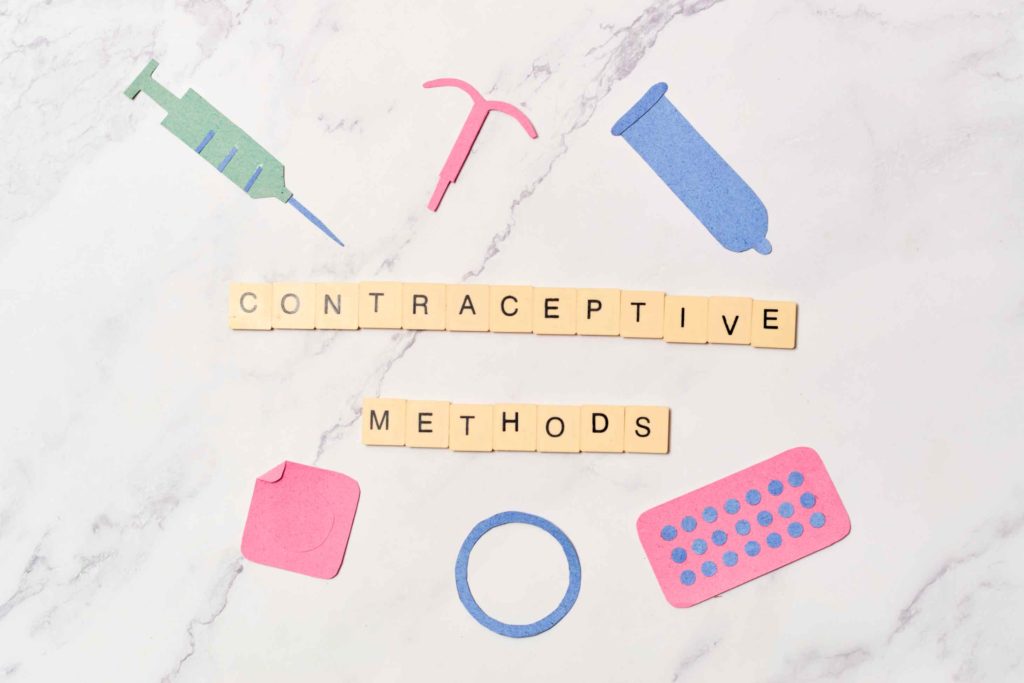
Did you know that around 54% of women using specialist sexual and reproductive health services in England choose long-acting reversible contraception? Choosing contraception can feel overwhelming, especially with so many types available. Each method works differently to prevent pregnancy — some by stopping ovulation, others by blocking sperm, and a few by creating a barrier in the womb.
Understanding how these contraception methods work can help you make an informed, confident choice for your lifestyle and health.
What Are the Main Types of Contraception?
There are several contraception methods used in the UK, and each works in a unique way to reduce the chance of pregnancy. They are usually grouped into hormonal, barrier, long-term, and emergency options.
Hormonal methods include the pill, patch, implant, injection, and hormonal IUD. Barrier methods include condoms and diaphragms, which physically block sperm from reaching an egg. Long-term methods such as copper IUDs and female sterilisation methods offer lasting protection, while emergency contraception is used after unprotected sex.
How Does an IUD Work?
An intrauterine device (IUD) is a small, T-shaped device placed inside the womb. It provides long-term contraception and is more than 99% effective.
How Does a Copper IUD Work?
The copper IUD, sometimes called the coil, does not contain hormones. It releases tiny amounts of copper that make it difficult for sperm to survive and reach an egg. Copper also prevents a fertilised egg from implanting in the womb lining. Depending on the type, it can last between 5 and 10 years.
Hormonal IUDs
Hormonal IUDs release a low dose of progesterone into the womb. This thickens cervical mucus, making it harder for sperm to travel, and sometimes stops ovulation altogether. They can last between 3 and 6 years and may help make periods lighter or less painful.
How Effective Are Birth Control Pills in Preventing Pregnancy?
Birth control pills are one of the most widely used contraception methods in the UK. They are taken daily and contain hormones that stop ovulation, thicken cervical mucus, and thin the womb lining.
Pros and Cons of Birth Control Pills
The pill offers control and regularity, allowing you to stop or start it easily. It can also help with acne or heavy periods. However, remembering to take it daily can be challenging for some, and side effects such as nausea or mood changes may occur. If you miss a pill, it can reduce its effectiveness, so consistency is key.
What Is Female Sterilisation?
Female sterilisation methods are permanent contraception options. They involve blocking or sealing the fallopian tubes, preventing eggs from reaching sperm.
This procedure is usually suitable for women who are sure they do not want more (or any) children. It is more than 99% effective and does not affect hormone levels or sex drive. However, it is considered irreversible, so it requires careful thought and expert guidance before making the decision.
How Does the Emergency Contraceptive Pill Work?
The emergency contraceptive pill, often called the “morning-after pill”, can be used after unprotected sex or when your regular contraception fails. It works mainly by delaying ovulation, so no egg is released for sperm to fertilise.
It is most effective the sooner you take it — ideally within 24 hours. There are two main types available in the UK:
- Levonorgestrel pill – can be taken within 3 days (72 hours) of unprotected sex.
- Ulipristal acetate pill (ellaOne) – can be taken within 5 days (120 hours) of unprotected sex.
Our pharmacists can help you choose the most suitable option based on timing and your individual health needs.
Finding the Contraception Method That Fits Your Lifestyle
When choosing between contraception methods, it’s important to consider your age, health, lifestyle, and future plans. Some people prefer long-term options like an IUD, while others choose daily methods for more flexibility. If you’re unsure which suits you best, personalised advice can make the decision easier.
Book a private consultation to talk to our pharmacists at Pharmacy To My Door today. Our experts can guide you through safe, effective contraception choices and help you find what fits your needs best.
FAQs
Can you use contraception methods if you still want children later?
Yes — many contraception methods are reversible and allow you to conceive when you’re ready. For example, the copper IUD (sometimes called a coil) can be removed at any time, and your fertility usually returns quickly. Female sterilisation methods, however, are designed for permanent contraception and are only suitable if you are sure you do not want more (or any) children.
How soon after unprotected sex should you take an emergency contraceptive pill?
You should take the emergency contraceptive pill as soon as possible after unprotected sex or contraceptive failure. The sooner it is taken, the more effective it is. It works mainly by delaying ovulation so sperm cannot fertilise an egg. Levonorgestrel pills can be taken within 3 days (72 hours), while ulipristal acetate pills work up to 5 days (120 hours) after unprotected sex.
Does the copper IUD protect against sexually transmitted infections (STIs)?
No, the copper IUD protects against pregnancy but does not offer any protection against sexually transmitted infections. For STI protection, you would need to use barrier methods such as condoms in addition.
What are the pros and cons of birth control pills?
Pros: Birth control pills give you day-to-day control and can help regulate periods and even ease acne or heavy menstrual bleeding. Cons: You need to take them reliably every day at roughly the same time; missing pills can reduce effectiveness. Some people experience side effects like nausea, mood changes or headaches.
How does female sterilisation work, and when is it considered?
Female sterilisation methods work by blocking or sealing the fallopian tubes so eggs cannot reach sperm, or sperm cannot reach the egg. It is considered when you are certain that you do not want (or have any) future pregnancies. It is highly effective and permanent.
Can different contraception methods affect your periods or menstrual bleeding?
Yes, different methods can affect bleeding patterns. For instance, a copper IUD may cause heavier, longer or more painful periods, especially in the first few months. Hormonal methods may make periods lighter or more regular. Choosing the right method involves considering how your body responds and what side effects you can accept.


