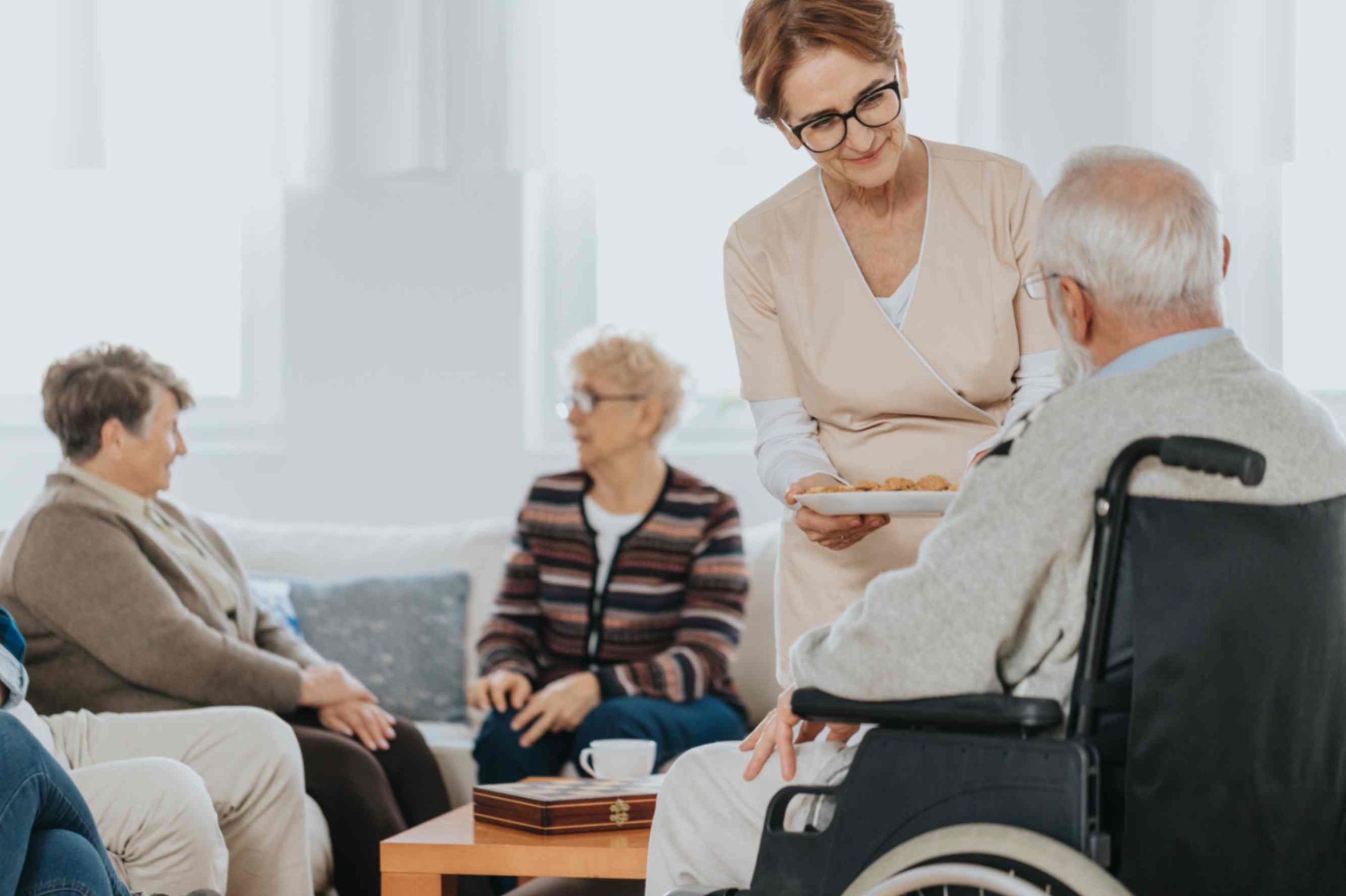
Many families reach a stage where they realise their elderly loved one needs more support than they can safely manage at home. It is a growing reality across the UK, with ONS data showing that over 278,000 people aged 65 and over were living in care homes in 2021, making up more than eight in ten care home residents. As needs change with age, understanding the different types of care homes and the types of care services available becomes essential for making the right decision.
This guide explains the main care home options, helping you choose a setting that offers comfort, safety, and the right level of support for your loved one.
What Are the Main Types of Care Homes for the Elderly?
The main types of care homes for elderly people provide varying levels of support depending on each person’s health, mobility, and independence. Some focus on personal assistance, while others offer more complex nursing support.
Care homes generally fall into two broad categories: residential care and nursing care. Within these, you will also find specialist options based on dementia, rehabilitation, or short-term care needs.
Residential Care Homes
Residential care homes offer support with everyday tasks such as washing, dressing, taking medicines, and moving safely around the home. They are ideal for people who need regular assistance but do not require full medical supervision.
These homes also provide home cooked meals, housekeeping, social activities, and a safe, community-style environment. For many older adults, this type of setting helps maintain independence while ensuring the right level of support.
Nursing Homes and Types of Nursing Home Care
Nursing homes offer everything residential care homes do, but with added clinical support provided by trained nursing teams. They are suited for people who have ongoing medical needs, mobility challenges, or complex health conditions that require regular monitoring.
Different types of nursing home care can include specialist services for long-term conditions, palliative care, and recovery-based support after hospital stays. These settings ensure that both daily living needs and health requirements are managed safely.
Dementia Care Homes
Dementia care homes focus on supporting people with memory loss, confusion, and cognitive decline. Staff are trained in dementia-friendly communication and behaviour support, and the homes are designed to reduce stress and improve safety.
Many families choose these homes when their loved one needs structured routines, secure surroundings, and support that adapts as the condition progresses.
Specialist and Short-Term Care Homes
Some settings provide more personalised types of care homes and services. These can include:
- Respite care, offering temporary support to give family carers a break
- Rehabilitation care, supporting recovery after an injury or hospital stay
- End-of-life care, focusing on comfort, dignity, and emotional support
- Dual-registered care homes, offering both residential and nursing services so residents can stay in the same home even if their needs change.
These flexible options help families choose the most suitable level of support at each stage.
How to Choose Between Different Types of Care Home Options
The best care home depends on the person’s physical needs, emotional wellbeing, medical conditions, and preferences. When comparing different types of care homes, think about:
- How much daily support they need
- Whether they require medical supervision
- Their cognitive health and mobility
- Community activities and lifestyle preferences
- Location, especially if you want the home close to family
It also helps to visit a few homes, speak to staff, and understand how medication, nutrition, and personal routines are managed.
How Our Team Supports Care Homes Across Warwickshire and Beyond
Our pharmacy team works closely with care settings across Shipston-on-Stour, Stratford-upon-Avon, Banbury, Chipping Norton, Warwick, and the surrounding areas. We support a wide range of residential and nursing care homes across the region, offering streamlined medication management and reliable, same day support.
Using systems that allow care homes to track delivery times, manage stock, and receive same-day support when needed, we ensure a smooth service that helps carers focus on providing quality care.
Talk to Our Pharmacists About Safe Care Home Support
If you manage a residential or nursing home and want clear, reliable support with medication processes, our pharmacists are here to help. We can guide you on safe medication management, same day updates, and smoother day-to-day workflows for your team. Book your consultation to speak to one of our pharmacists today at Pharmacy To My Door.
FAQs
Residential care supports daily living needs such as washing, dressing, and taking medicines, while nursing care provides these services plus 24-hour clinical support. This distinction helps families choose between different types of care home settings based on medical needs.
Dementia care homes offer trained staff, secure layouts, and structured routines designed to support memory loss and confusion. These specialist types of care homes for elderly individuals create a calmer, safer environment for cognitive conditions.
Most homes offer personal care, medication support, meal preparation, mobility assistance, social activities, and housekeeping. Some provide additional types of care services such as respite, rehabilitation, or palliative care depending on the home’s specialism
If they require regular medical monitoring, specialised equipment, or support with complex conditions, they may be better suited to nursing home care. Residential homes work well when support is needed mainly with day-to-day tasks rather than clinical needs.
Yes, many homes offer short-term options such as respite stays, post hospital rehabilitation, and trial stays. These different types of care home services help families manage temporary care needs without long-term commitment.
Most care homes support residents with taking medicines safely, but the level of assistance varies. Homes partnered with a care home pharmacy service can offer clearer systems, better accuracy, and same day support for medication changes.